A prized early course of the Kashmiri Wazwan in which cleaned lamb variety meats — tripe, stomach, and intestine — are slow-cooked with dried fenugreek leaves, yogurt, fennel, and Kashmiri chili into a dark, earthy, intensely flavored gravy. The name states its two pillars: methi (fenugreek) and maaz (meat), and the dish honors the Wazwan principle of using every part of the animal.



Methi maaz is a traditional course of the Kashmiri Wazwan, the banquet tradition whose hereditary waza chefs are, by long-held tradition, linked to Central Asian and Persian cooks said to have come to Kashmir from the 14th century onward — a migration for which direct documentary evidence is thin. Its name states its two defining ingredients: methi, dried fenugreek leaves (kasuri methi), and maaz, here meaning the lamb variety meats — traditionally a combination of cleaned tripe, lamb stomach, and intestine. The dish is one expression of the Wazwan's deeper principle of honoring a guest by preparing every part of the slaughtered animal with craft, wasting nothing. It is typically served as an early, characterful course, seasoned with the Wazwan's characteristic spices — fennel powder, dry ginger powder, Kashmiri red chili, and curd (yogurt) — and the dried fenugreek supplies its signature earthy, slightly bitter note. The combination of fenugreek with variety meat is an old one, and the dish remains a marker of an authentic Wazwan rather than everyday home cooking.
Tender, yielding variety meat in a dark, earthy gravy with the bitter-warm note of fenugreek, the tang of curd, and a slow Kashmiri-chili heat.
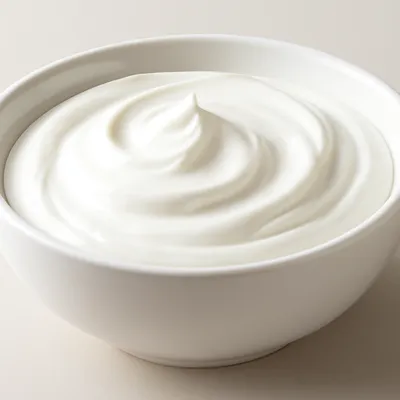
Two ingredients do the heavy lifting. The cleaned variety meats — tripe, stomach, intestine — are dense in connective tissue, so a long, slow braise gelatinizes their collagen at around 70–80°C into a glossy, sticky gravy, tenderizing them while contributing the gelatinous body that no added starch could replicate. The dried fenugreek leaves supply their characteristic bitter, earthy aroma — chiefly the compound sotolone, which is potent even at low concentrations and gives the dish its signature depth; the leaves are added late so their volatile aromatics survive the cooking. The yogurt serves a double role: its lactic acid brightens the heavy, earthy flavors and lowers the pH enough to slow bacterial growth (the old reason this dish kept in a kitchen without refrigeration), while its emulsified fat carries the Kashmiri chili's color and the spice aromatics through the gravy.
Variations
Some versions include lamb liver or kidney; the fenugreek may be fresh in season rather than dried, and a thicker, drier form is served as a snack with bread.
On the Palate
Where Methi Maaz sits in the Indian flavor cloud
Ingredients
Serves 4How it's made
6 steps · 30 min
- 110 min
Thoroughly clean the lamb variety meats (tripe, stomach, intestine), blanch, and cut into pieces.
- 24 min
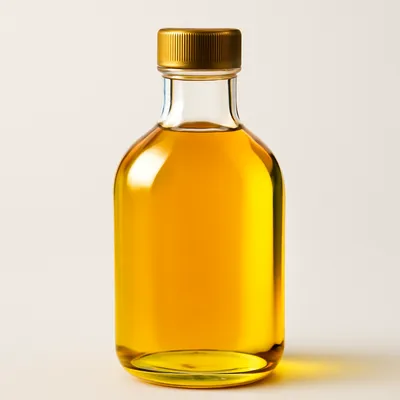
Heat mustard oil to smoking, cool slightly, and temper whole spices.
- 36 min
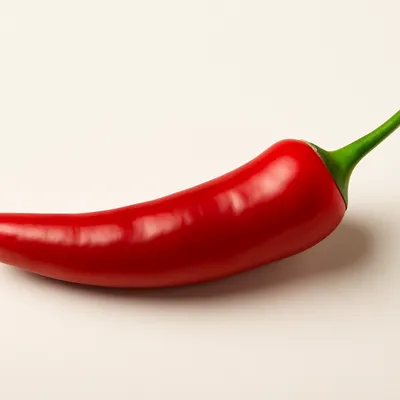
Add the variety meats and brown them, then stir in ginger powder, fennel powder, turmeric, and Kashmiri chili powder.
- 48 min
Add whisked yogurt gradually, stirring to prevent splitting, then add water and simmer covered until the meats are very tender.
Watch outAdd the whisked yogurt gradually, stirring hard, or it curdles — then simmer covered until the dense offal is truly tender.
- 525 min
Stir in crushed dried fenugreek leaves in the last few minutes.
Watch outStir the dried fenugreek in only in the last few minutes — added early, its aroma cooks off and you lose the signature bitter-earthy note.
- 65 min
Cook until the gravy thickens and the oil separates; serve hot as an early Wazwan course.
Archive tool suggestions — not reviewed
These legacy suggestions have not been evidence-reviewed and are not presented as required tools.


