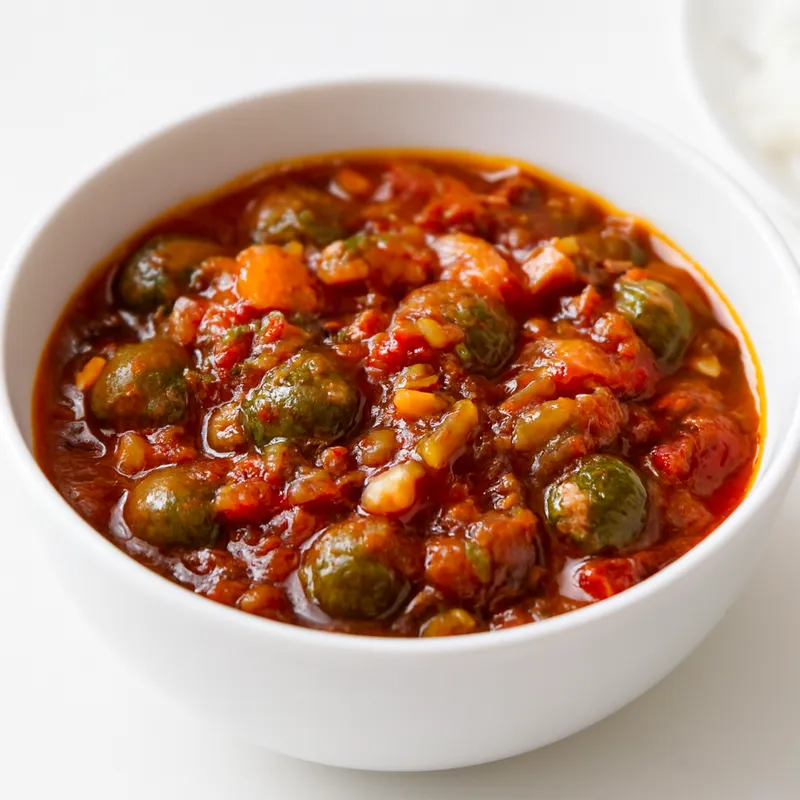
A festive rice-and-jaggery fried sweet of Bihar (and Maharashtra, UP, and Nepal), in which soaked-and-ground rice flour and jaggery are fermented overnight, shaped into discs coated in poppy or sesame seed, and deep-fried in ghee until the surface is crackled and the center is soft. It is the taste of Diwali across the Hindi belt and is offered as naivedhyam to the goddess.
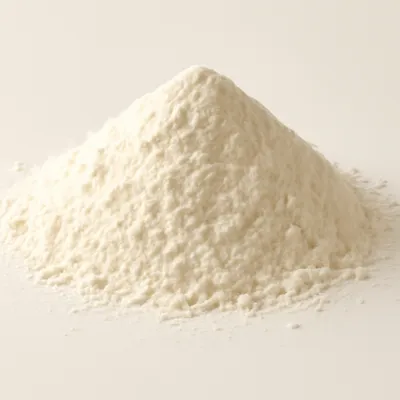

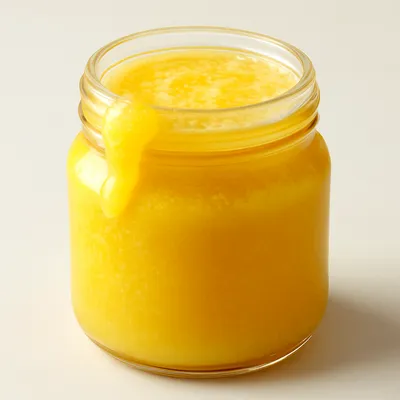
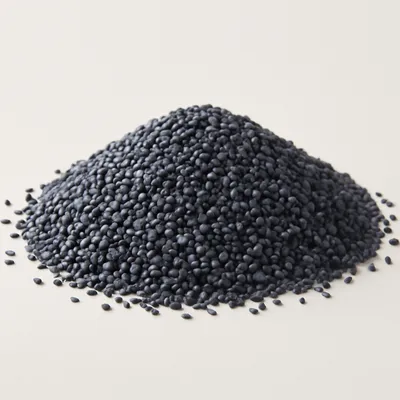

Anarsa (anarase) is a rice-and-jaggery fried sweet associated across Bihar, eastern Uttar Pradesh, Maharashtra (where it is called anarase), and Nepal, with Bihar its strongest home. Its base is rice — soaked for a day or two, dried, and ground to a fine flour — bound with jaggery and ghee into a dough that is fermented overnight (in some traditions for two to three days), shaped into flat discs, pressed into poppy seed or sesame, and deep-fried in ghee until the surface crackles and browns while the interior stays soft. The sweet is most closely tied to Diwali, for which it is made in large batches across North India, and it is offered as naivedhyam (a sacred food offering) to the goddess during the festival. It belongs to the wider, old Indian family of rice-flour-and-jaggery festive sweets, in which the rice provides the structure and the jaggery the binding sweetness; the fermentation is the distinguishing Awadhi-Bihari touch, giving the finished disc a slight sourness that lifts the sweet. A mawa (khoya) stuffed variant is a richer festive form.
A crackled, ghee-fried, poppy-seed-crusted shell yielding to a soft, lightly sour, jaggery-sweet rice interior with a warm cardamom thread.
Two processes shape the texture. First, the long soak of the rice hydrates its starch granules fully, so that when ground and fried they gelatinize cleanly into a soft, set interior rather than a gritty one; the choice of rice (a not-too-starchy variety) and the fineness of the grind both matter. Second, the overnight fermentation produces lactic acid and a small amount of carbon dioxide — the acid flavors the dough with a clean tang that balances the jaggery's sweetness, and the gas leaves a few pockets in the otherwise dense disc. Deep-frying in ghee at roughly 150–160°C sets the surface quickly: the poppy or sesame seeds toast in the hot fat and release their oils, the surface dehydrates and Maillard-browns into the characteristic crackled crust, while the interior cooks gently and stays soft. The lower temperature than a typical fry is deliberate — too hot and the jaggery would burn before the rice cooked through.
Variations
A mawa-stuffed anarsa is richer; the Maharashtrian anarase uses a coarser rice flour, and the seed coating varies between poppy and sesame by region.
On the Palate
Where Anarsa sits in the Indian flavor cloud
Ingredients
Serves 8How it's made
6 steps · 30 min
- 112 min
Soak raw rice for 1–2 days, drain, dry, and grind to a fine flour.
Watch outSoak the rice one to two full days before grinding — a proper soak lets the starch gelatinize into a soft set interior; skimp and the fried disc turns out gritty.
- 26 min
Mix the rice flour with melted jaggery and ghee into a soft dough, and ferment overnight (or longer).
- 35 min
Pinch off portions, shape into balls, and flatten into discs.
- 44 min
Press one side of each disc into poppy seed or sesame to coat.
- 510 min
Deep-fry in moderately hot ghee, seed-side up, until the surface crackles and browns and the center is cooked.
Watch outFry seed-side up until the surface crackles and browns — that crackling means the interior's cooked; flip it and the seeds burn.
- 63 min
Drain and serve at room temperature; stores for days.