
Punugulu are small, crisp deep-fried fritters made from fermented rice-and-lentil dosa or idli batter — a beloved street and tiffin snack of Andhra Pradesh and Telangana. Spoonfuls of leftover or specially soured batter, seasoned with onion, green chili, ginger and cumin, are dropped into hot oil where they puff into golden balls, crunchy outside and soft and tangy within. They are served hot with coconut chutney or a fiery dry peanut-garlic podi and are a fixture of roadside stalls, especially around Vijayawada and Kakinada.
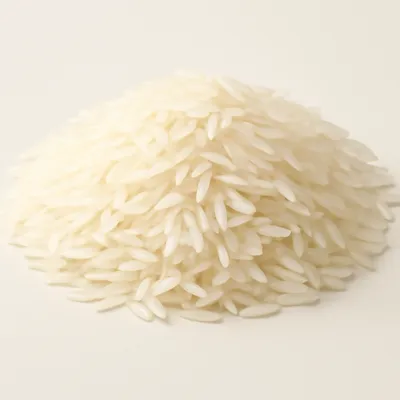



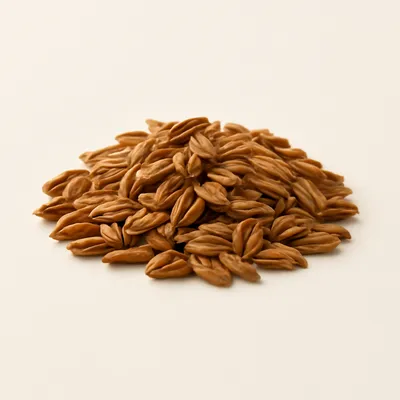
Punugulu grew out of the South Indian dosa-batter tradition as a thrifty way to use up leftover or slightly over-fermented batter, which is too sour to make good dosa but fries into excellent fritters. It is street-food and home cooking of coastal Andhra and Telangana with no recorded inventor, strongly associated with the tiffin and chaat stalls of towns like Vijayawada and Kakinada. The name and the snack are regional; the underlying batter is the same fermented rice-urad dal mixture used across South India for dosa and idli.
Golden, irregular balls the size of a walnut, with a thin, crackling, blistered crust that shatters between the teeth. Inside they are soft and steamy, faintly sour from the fermented batter, studded with bits of onion, chili and cumin. Hot from the oil they are crunchy and savory; dunk one in coconut chutney and it softens and cools. Eaten by the handful with chai, the contrast of crisp shell and tangy, tender centre is the whole appeal.
Fermentation is the key: wild lactic-acid bacteria and yeast in the soaked rice-and-urad-dal batter produce acid and carbon dioxide, which both sour the batter and lighten it. A slightly over-fermented, looser batter is ideal — the extra gas and acid give punugulu their puff and tang. Dropped into oil at around 180°C, the batter's surface dehydrates and sets instantly into a crisp crust while the trapped gas and steam inside expand, leaving the centre soft and airy. The batter must be thick enough to hold a dropped shape but loose enough to puff; too thick and they stay dense, too thin and they spread.
Variations
Plain punugulu use only batter, salt and cumin; the more common masala version adds chopped onion, green chili, ginger and coriander. Some cooks stir in a little rice flour or semolina for extra crunch, or rava (semolina) batter is used when dosa batter is not on hand. They are paired most often with coconut chutney, allam (ginger) chutney or a dry peanut podi; a popular street pairing is punugulu with idli or dosa from the same stall.
On the Palate
Where Punugulu sits in the Indian flavor cloud
Ingredients
Serves 4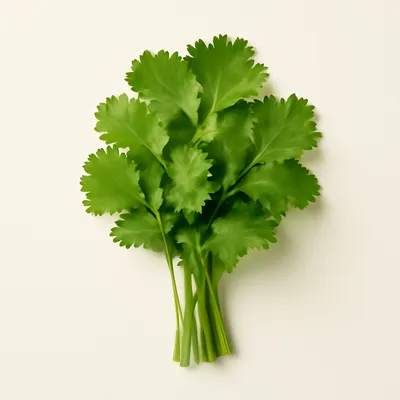

How it's made
6 steps · 10 min
- 13 min
Take thick, well-fermented (slightly sour) dosa or idli batter; if too thick, loosen with a little water.
Watch outUse a well-fermented, slightly sour batter loosened to a droppable thickness — the ferment's gas and acid give the puff; too thick and they stay dense, too thin and they won't hold shape or puff.
- 24 min
Mix in finely chopped onion, green chili, ginger, cumin seeds, chopped coriander and salt.
- 33 min
Heat oil in a deep pan to about 180°C.
- 44 min
Drop small spoonfuls of batter into the hot oil, a few at a time, without crowding.
- 55 min
Fry, turning, until the punugulu puff up and turn golden-brown and crisp all over.
Watch outFry at around 180, turning, until puffed and golden-brown all over — the hot oil sets a crisp crust while the trapped gas expands the soft airy center; cool oil leaves them greasy and flat.
- 61 min
Drain on paper and serve hot with coconut chutney or a dry peanut-garlic podi.
Archive tool suggestions — not reviewed
These legacy suggestions have not been evidence-reviewed and are not presented as required tools.


