
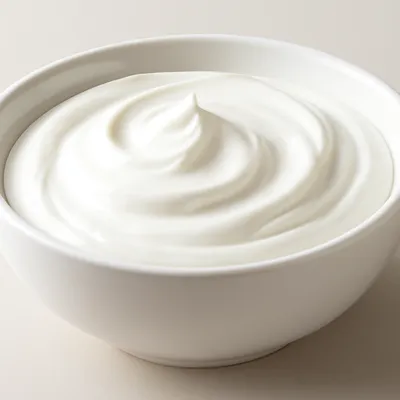
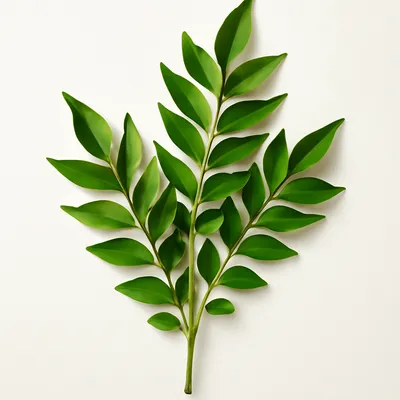
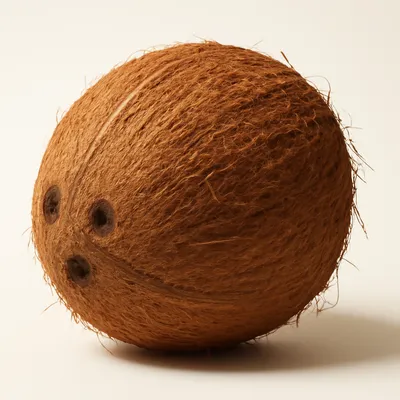
Goli baje are soft, fluffy fritters from coastal Karnataka, made from a batter of refined flour and sour curd that is rested until lightly fermented, then deep-fried into round golden balls. The name means 'round fritter' in the Tulu and Kannada of the coast (goli, ball; baje, fritter), and the snack is also widely known as Mangalore bajji or Mangalore bonda. Curry leaves, ginger, green chili and a little coconut flavour the batter, which fries up crisp outside and airy and slightly tangy within. A classic rainy-day and tea-time snack of Mangalore, Udupi and Kundapura, it is served hot with coconut chutney.



Goli baje is a native snack of coastal Karnataka, firmly identified with Mangalore and the surrounding Udupi and Kundapura belt, where it is a staple of tiffin houses and tea stalls. Its alternative names — Mangalore bajji, Mangalore bonda, and the descriptive maida bonda after the refined flour (maida) it uses — all point to the same coastal home. The name is plainly descriptive rather than commemorative, and no individual inventor or date is recorded; it is documented as a traditional regional street and snack food, especially beloved in the monsoon, rather than a dish with a fixed origin story.
Round golden balls, crisp and faintly crackly on the outside, giving way to a soft, moist, airy crumb that pulls apart in light strands. The taste is mildly tangy from the fermented curd batter, warmed by ginger and green chili, with little bursts of curry leaf and the soft chew of chopped coconut. They are rich and satisfying but light rather than greasy when fried right, and are at their best straight from the oil, dunked into coconut chutney while still hot enough to steam.
Goli baje gets its lift from a fermented batter and from beating air into it. Refined flour is mixed with sour curd, a little sugar and a pinch of baking soda and left to rest for a few hours to overnight; the curd's lactic acid and the wild ferment loosen the batter, build a gentle tang, and produce gas, while beating the rested batter hard whips in extra air. The result is a thick, aerated batter that, dropped in spoonfuls into hot oil, sets fast on the outside and traps the expanding air and steam inside, puffing each fritter into a light hollow-crumbed ball. The acid-soda pairing reinforces the leavening; oil that is moderately hot lets the centres cook through before the outsides over-brown.
Variations
Some cooks lean on baking soda and a quick rest when there is no time to ferment fully, trading a little of the tang for speed. The aromatics vary — extra ginger, more green chili, chopped coriander, or a handful of grated coconut — and a tighter or looser batter gives denser or airier fritters. The same coast makes a closely related potato-cored Mangalore bonda. Goli baje belongs to the wider Indian bajji and bonda family of fried-batter snacks, and on its home coast sits alongside Mangalore buns as a defining tea-time fritter, always with coconut chutney.
On the Palate
Where Goli Baje sits in the Indian flavor cloud
Ingredients
Serves 4

How it's made
8 steps · 20 min
- 15 min
In a bowl, whisk refined flour with sour curd, a little sugar, salt and a pinch of baking soda, adding water to a thick smooth batter.
- 21 min
Cover and rest the batter in a warm place for a few hours up to overnight to ferment.
Watch outFerment the batter a few hours until loosened and tangy — the curd's acid and wild yeast build the gas and lift; skip it and the fritters fry dense.
- 33 min
Stir in finely chopped ginger, green chili, curry leaves and grated coconut.
- 42 min
Beat the batter well to incorporate air; it should be thick and droppable.
Watch outBeat the rested batter hard to whip in air — that trapped air is what puffs each fritter into a light, hollow ball.
- 53 min
Heat oil for deep-frying to a moderate temperature.
- 64 min
Drop small spoonfuls or wet-hand-shaped balls of batter into the hot oil in batches.
- 75 min
Fry, turning, until the balls puff and turn evenly golden brown, then drain.
- 81 min
Serve hot with coconut chutney.
Archive tool suggestions — not reviewed
These legacy suggestions have not been evidence-reviewed and are not presented as required tools.


