Seasonal deep-fried fritters from Surat, South Gujarat, made by folding tender immature sorghum kernels — locally called ponk — into a spiced chickpea-flour batter and frying until the shell crisps while the grains inside stay soft and yielding. Available only during the winter sorghum harvest, roughly mid-November through late February, when fresh ponk arrives daily from farms around Bardoli and Navsari.




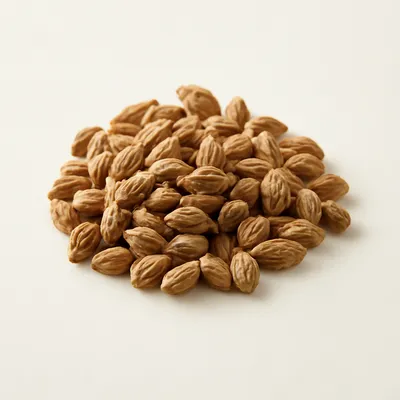
Ponk Vada grew out of Surat's winter sorghum tradition, tracing to farming communities in South Gujarat's Tapi river basin who roasted immature sorghum seedheads over open charcoal, then beat the softened grains loose as a harvest-season snack. The custom moved from the fields into Surat's street-food economy in the early twentieth century, when riverside vendors along the Tapi began frying batter-coated ponk into vadas alongside the city's ponk bhel stalls. Supply stays strictly tied to the harvest: fresh ponk from villages around Bardoli, Vyara, and Navsari reaches Surat markets from mid-November, peaks through December and January, and is gone by late February.
The exterior shatters into a thin, spiced chickpea crisp; inside, the ponk kernels stay yielding and faintly grassy, carrying a hint of roasted earth from their charcoal-parching at harvest. Eaten piping hot with green and tamarind chutneys, or scattered with tangy sev in true Surti style.
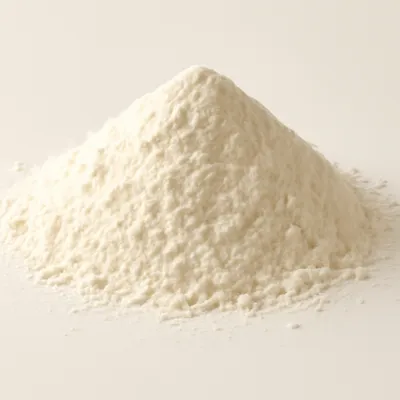
Chickpea-flour batter sets and crisps via the Maillard reaction at the oil surface (180–190°C), forming a dry, golden shell within seconds of submersion. The enclosed ponk kernels — already gelatinized by charcoal-roasting during harvest — retain interior moisture and stay soft, creating textural contrast between the dry crust and the yielding grain. Adding rice flour to the batter raises overall starch content and dilutes the gluten network, producing a crisper, lighter shell than plain chickpea flour alone. A pinch of sodium bicarbonate releases CO₂ bubbles on contact with hot oil, opening the batter's structure for a lighter, more porous crust.
Variations
Ponk bhel — raw ponk tossed cold with crunchy sev, onion, tomato, coriander, and tamarind chutney, no frying. Ponk petis — mashed-potato cutlets stuffed with seasoned ponk and shallow-fried on a griddle. Plain ponk — the freshest kernels eaten as they are, scattered with spiced sev and a squeeze of lemon, the way Surat's riverside stalls serve it.
On the Palate
Where Ponk Vada sits in the Indian flavor cloud
Ingredients
Serves 4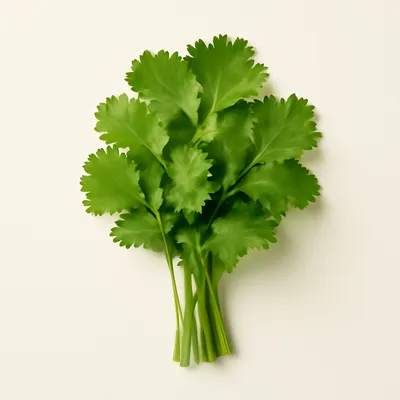

How it's made
7 steps · 15 min
- 110 min
Rinse ponk kernels thoroughly under cold running water; drain in a colander for 10 minutes until no excess moisture remains.
- 23 min
In a large bowl, combine chickpea flour, rice flour, turmeric, red chili powder, black pepper, carom seeds, and salt; mix well.
- 33 min
Add finely chopped onion, coriander, grated ginger, and green chili; fold in the drained ponk kernels until every grain is coated.
- 43 min
Gradually add water, stirring, until a thick dropping batter forms — it should hold a spoonful's shape but not be stiff.
Watch outMix the batter to a thick dropping consistency — a spoonful should hold its shape but not be stiff; too wet and the vada spreads and won't crisp.
- 55 min
Heat oil in a kadhai to 180°C; test by dropping in a little batter — it should rise to the surface within 3 seconds.
Watch outTest the oil at 180 degrees — a drop of batter should surface within three seconds; too cool and the vada drinks oil, too hot and it browns raw inside.
- 610 min
Drop tablespoon-sized portions into the hot oil; fry in batches for 4–5 minutes, turning once, until deep golden all over.
- 72 min
Drain on paper towels; serve immediately with green mint chutney and tamarind chutney.


