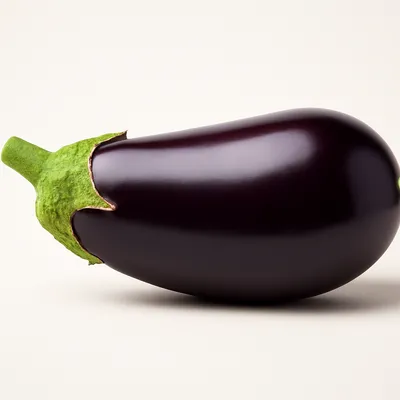
A Maharashtrian one-pot rice dish of small purple brinjals braised in goda masala — a spice blend whose centrepiece, dagad phool (a dried edible lichen), lends a smoky, earthy depth found nowhere else — with roasted peanuts and fresh coconut folded through cooked rice. Distinguished from the similar Karnataka vangi bath by the use of goda masala and tomato sourness in place of a tamarind-based spice paste.
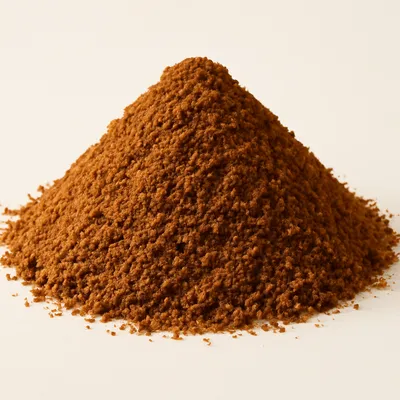



Vangi bath originated in the Mysuru region of Karnataka, where it long served as a festival and feast rice dish. The preparation spread northward into Maharashtra and the Deccan, where cooks substituted the Karnataka spice paste and tamarind for goda masala — a distinctly Maharashtrian blend whose name derives from goad, meaning sweet in Marathi. The centrepiece of goda masala is dagad phool, the lichen Parmotrema perlatum, which releases a smoky, earthy aroma absent in the Karnataka original. Goda masala also anchors amti (the daily lentil soup) and bharli vangi (stuffed brinjal), and the Maharashtrian Vangi Bhaat became a standard on wedding and communal festive thalis across the state.
Warm and nutty from toasted coconut; the brinjal is tender and saturated with spice, yielding softly under the fork. Dagad phool's smoky earthiness threads through every grain; roasted peanuts deliver bursts of crunch at the finish.
Cut brinjal is soaked in salted water before cooking to suppress polyphenol oxidase activity, preventing the enzymatic browning triggered by the chlorogenic acid concentrated in its flesh. Once in the pan, the eggplant's large thin-walled parenchyma cells collapse under sustained heat, releasing intracellular water and forming a porous sponge structure that greedily absorbs the masala-infused oil and cooking liquid. When goda masala spices are dry-roasted before grinding, the Maillard reaction converts coconut sugars and dagad phool's phenolic compounds into volatile aromatic molecules, generating the smoky-sweet depth that defines the blend.
Variations
Masale Bhat: a richer wedding version with whole spices, ghee, and cashews. Karnataka Vangi Bath: uses a local vangi bath masala powder and tamarind water, giving a more sour and drier finish. Bharli Vangi Bhaat: small brinjals are first stuffed with the masala-peanut-coconut filling, then the stuffed brinjals and rice are combined in the same pan for extra depth.
On the Palate
Where Vangi Bhaat sits in the Indian flavor cloud
Ingredients
Serves 4


How it's made
7 steps · 20 min
- 110 min
Wash the brinjals and cut into quarters lengthwise, keeping the stem end attached to hold the shape. Soak in a bowl of salted water for 10 minutes, then drain and pat dry.
Watch outSoak the cut brinjal in salted water — it keeps the flesh from browning and firms it so it holds shape instead of going to mush.
- 215 min
Cook the rice until just done; spread on a tray and cool to room temperature so grains separate.
- 33 min
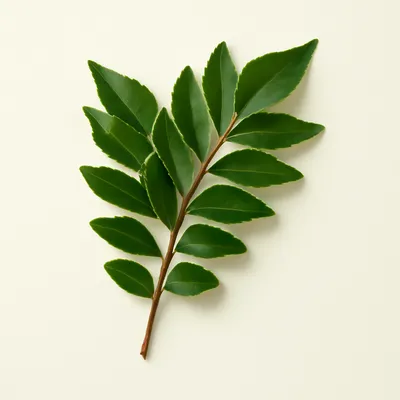
Heat 2 tbsp oil in a heavy kadai over medium heat. Add mustard seeds; once they splutter, add curry leaves and a pinch of asafoetida.
- 410 min
Add sliced onions and sauté for 8–10 minutes until golden. Add ginger-garlic paste and cook 2 minutes more.
- 55 min
Add drained brinjal pieces; toss to coat in the oil. Stir in goda masala, turmeric, red chilli powder, roasted peanuts, and salt.
- 610 min
Add chopped tomato; stir, cover, and cook on low heat for 10 minutes, stirring occasionally, until brinjal is fully tender and oil separates at the edges.
Watch outCook until the brinjal is fully tender and oil beads at the edges — that oil surfacing means the masala is properly cooked through.
- 77 min
Reduce heat to the lowest setting. Fold in the cooled rice and freshly grated coconut; toss gently until evenly combined. Cover and rest for 5 minutes before serving.
Watch outFold the rice in over the lowest heat — stir hard on high and the cooled grains break and clump instead of staying separate.


