
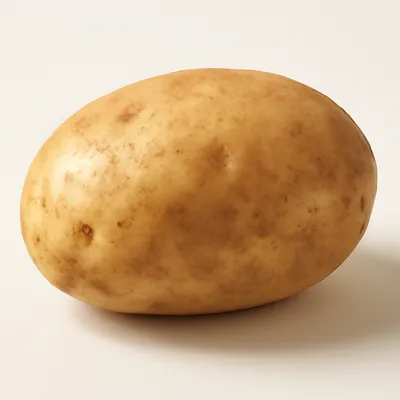
Dhokar Dalna is a beloved Bengali vegetarian dish from eastern India built around dhoka — firm, spiced cakes of ground chana dal that are steamed or set, cut into diamonds, deep-fried, then simmered in a light spiced gravy of potatoes. The lentil is soaked, ground to a paste, cooked down with ginger and spices until thick, spread and cooled until it can be cut, and the fried cakes are added to a cumin-and-ginger gravy with potato chunks at the end so they stay firm. Traditionally cooked without onion or garlic in the satvik manner, it is a substantial, protein-rich main eaten with plain rice, luchi or pulao.



The dish takes its name from dhoka, meaning deception or illusion: the firm, fried chana-dal cakes give the bite and substance of meat in a dish that is wholly vegetarian. It is a signature of Bengali niramish (no onion, no garlic) cooking, the satvik vegetarian repertoire long associated in Bengal with the kitchens of widows, who by custom abstained from meat, fish, onion and garlic and developed an inventive plant-based cuisine — though the dish is now cooked far beyond that context. No single origin or date is recorded. The technique of setting a cooked pulse paste, cutting and frying it belongs to a wider Indian family of besan and dal cakes, here given a Bengali spiced-potato gravy.
The dhoka comes first to the eye — golden-brown diamonds with a crisp fried edge and a dense, crumbly, faintly grainy interior that holds its shape in the sauce. Bitten into, the cake is firm and savoury, carrying the earthy taste of chana dal with a whisper of asafoetida and ginger; the surrounding gravy is light, thin and gently spiced, more of a coating than a stew. Soft potato chunks sit alongside as a textural foil. It is warming and substantial without being heavy, the fried lentil cake giving a satisfying, almost meaty chew that explains the dish's name. Best eaten warm so the cakes keep their bite, ladled over plain rice.
The cake holds together by starch and protein, not egg or binder. Soaked chana dal is ground to a coarse paste and cooked down hard with a little fat: the dal's starch gelatinises and its proteins set as moisture drives off, so the mass stiffens enough to be spread, cooled and cut into clean pieces — under-cooked paste stays wet and crumbles, over-dry paste cracks. The cut cakes are deep-fried (around 170–180°C) so a firm, browned crust forms by the Maillard reaction; this skin is what lets them survive the gravy without falling apart and gives the meat-like bite. They go into the simmering sauce only at the very end and for a short time, because long cooking would waterlog and disintegrate them. Keeping the dish onion- and garlic-free puts the aromatic load on a tempering of cumin, bay and asafoetida bloomed in hot fat, plus a ginger paste, which together carry the gravy.
Variations
Recipes split on aromatics: the older niramish version stays strictly onion- and garlic-free and leans on asafoetida and ginger, while many modern cooks build an onion-tomato gravy. The cakes themselves vary — some fold grated coconut, peas, raisins or cashew into the dal paste for sweetness and texture; the gravy may be kept thin and yellow or made richer and redder. A close Bengali relative is chanar dalna, where cubes of fresh chhana (curd cheese) replace the lentil cakes in a similar potato gravy, and the wider Indian besan-cake family includes the Rajasthani gatte (chickpea-flour dumplings in yogurt gravy).
On the Palate
Where Dhokar Dalna sits in the Indian flavor cloud
Ingredients
Serves 4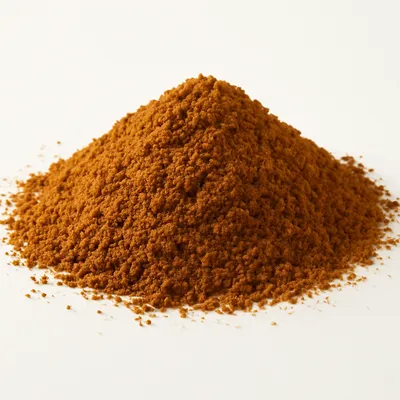



How it's made
7 steps · 30 min
- 1120 min
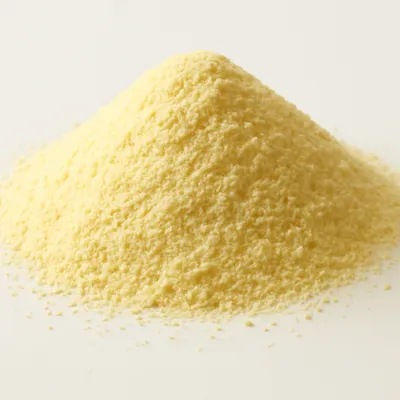
Soak the chana dal for at least two hours, drain, and grind to a coarse, thick paste with ginger and green chili.
- 218 min
Heat oil or ghee, temper cumin and asafoetida, then add the dal paste with turmeric and salt and stir-cook on low heat until very thick and it leaves the sides of the pan.
Watch outStir-cook the dal paste on low until it's very thick and pulls away from the sides of the pan — under-cooked it stays wet and the cakes crumble when cut.
- 320 min
Spread the cooked paste evenly on a greased plate, smooth the top, and let it cool and firm; cut into diamonds or squares.
- 410 min
Deep-fry the cut cakes in hot oil until golden-brown and crisp on the surface; lift out and set aside.
Watch outDeep-fry the cut cakes until golden-brown and crisp — this firm browned crust is what lets them hold up in the gravy without falling apart.
- 55 min
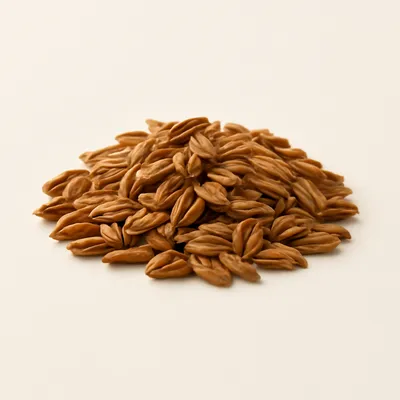
In the same pan temper cumin seeds, bay leaf and dried red chili, add a ginger paste with cumin, coriander and turmeric, and fry until fragrant.
- 615 min
Add potato chunks and a little water, season, and simmer until the potatoes are tender and the gravy thickens.
- 74 min
Slide in the fried dhoka, simmer just a couple of minutes so they soak up a little gravy but stay firm, finish with ghee and garam masala, and serve hot with rice.
Watch outSlide the fried cakes in for just a couple of minutes — long enough to drink a little gravy, short enough to stay firm, not soggy.
Archive tool suggestions — not reviewed
These legacy suggestions have not been evidence-reviewed and are not presented as required tools.


