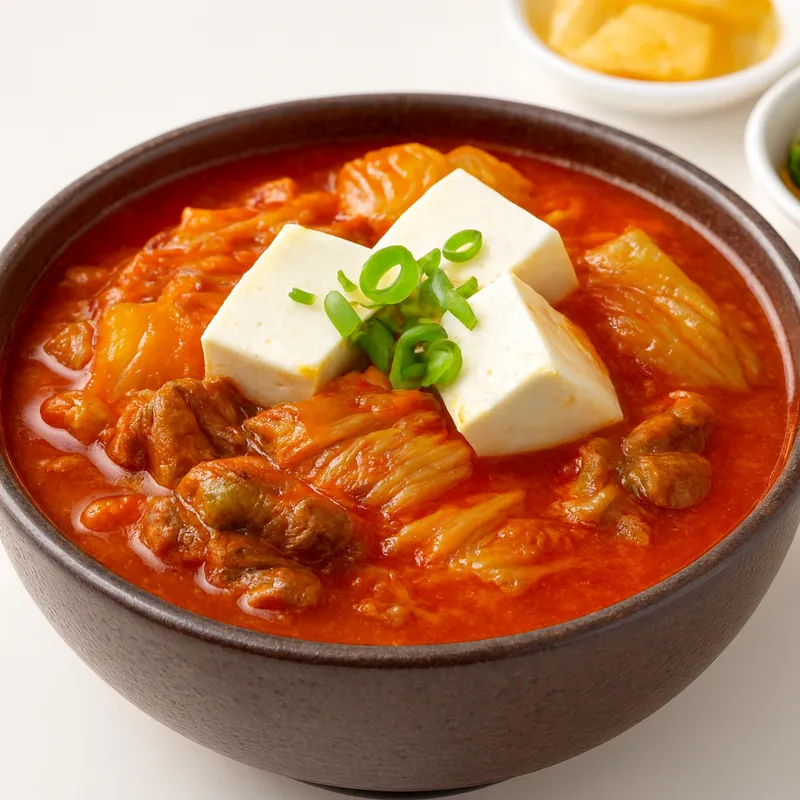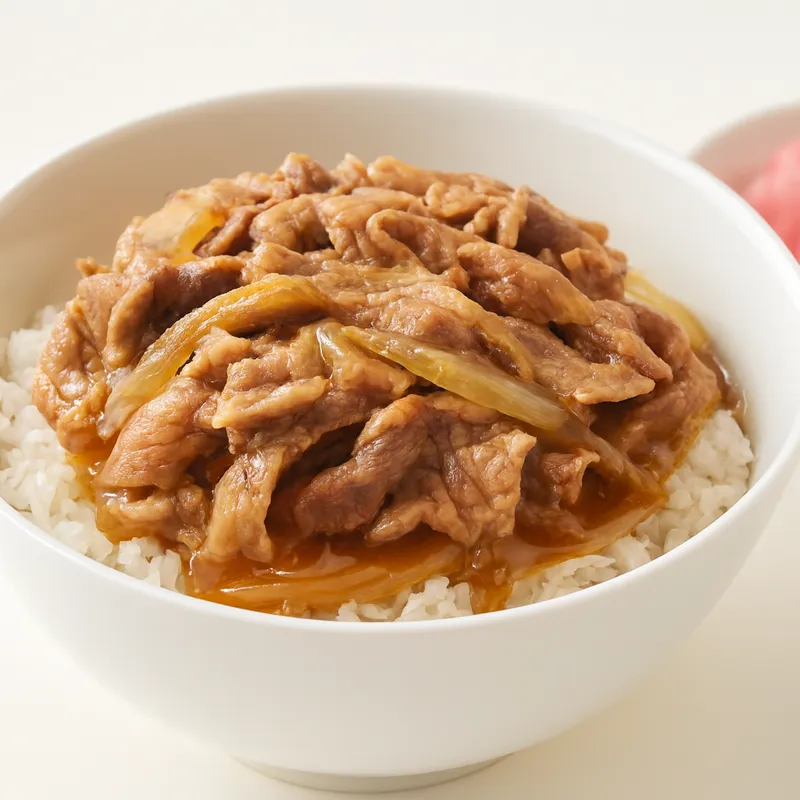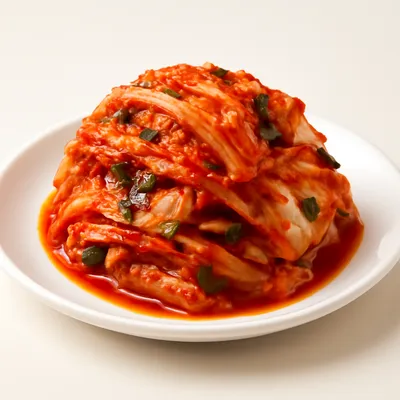


A Gangwon Province coastal dish in origin, where seawater was traditionally used as the coagulant for the unpressed soft tofu — giving it a mineral-salty edge fresh tofu doesn't have. The spicy stew form spread nationally in the 1980s; the LA-Korean diaspora built a parallel restaurant tradition in the 1990s, where it became signature comfort food on both sides of the Pacific.
Uncurdled silken tofu in a stone ttukbaegi, still bubbling at the table. The raw egg cracks in last; the gochugaru-and-sesame-oil base is what carries it.
An earthenware ttukbaegi pot delivered still boiling, gochugaru oil floating on a milky-red broth. Ultra-soft tofu — sundubu, almost yogurt-thick — gets spooned, not cut. A raw egg is cracked in at the table and stirs through the heat into ribbons. Clams, pork, or kimchi versions all exist. Eat fast; the pot keeps cooking the egg past tender.
The ttukbaegi is load-bearing — the unglazed clay holds heat 10+ minutes after leaving the fire, which is why the egg cooks at the table and the broth keeps reducing. Modern stainless or ceramic pots cool too fast. The tofu itself is uncoagulated curd; pressing or slicing collapses the texture, so it's poured straight from the bag into the pot.
Variations
Seafood (haemul) version with clams and shrimp; pork-and-kimchi version; Dongducheon's army-influenced sundubu adds Spam; vegetarian buseot sundubu uses mushroom stock.
On the Palate
Where Sundubu Jjigae sits in the Korean flavor cloud
Pour the soft tofu in as intact curd and simmer gently — the whole texture is that silky uncoagulated curd, so anything more than a light break-up and a rolling boil turns it grainy and watery.
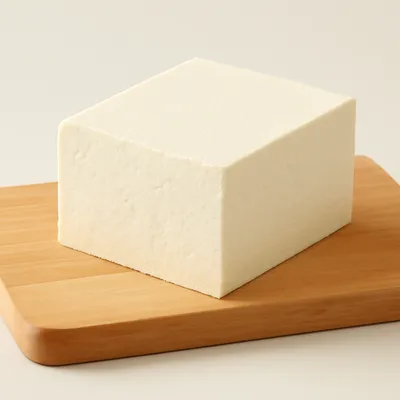
Ingredients



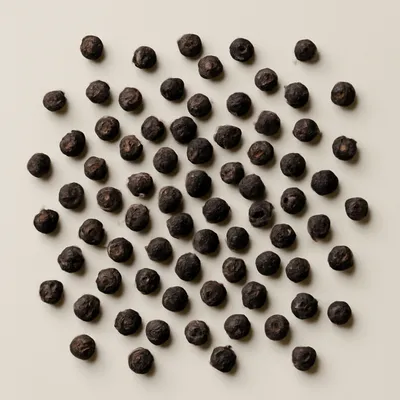
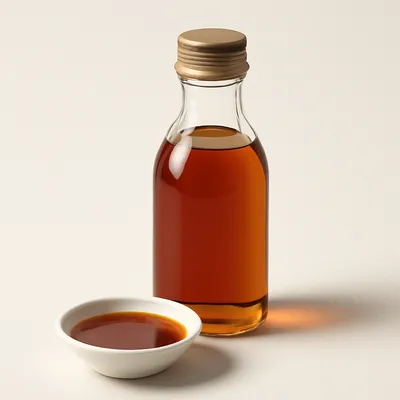


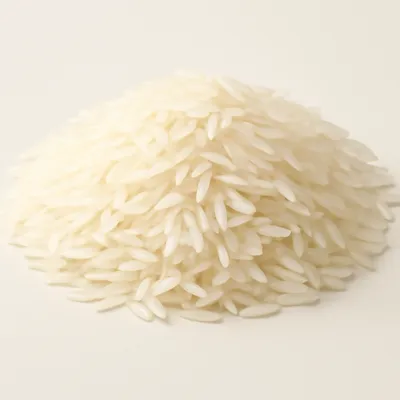

How it's made
5 steps · 24 min
- 15 min
In a heatable pot, heat vegetable oil over medium heat. Add chopped onion, minced garlic, and diced pork, stirring until the pork is browned and the onions are translucent, about 5 minutes.
Watch outEnsure the oil is hot enough to brown the pork without steaming it.
- 22 min
Stir in spicy paste made from hot pepper flakes and sesame oil, cooking until the mixture is fragrant, about 2 minutes.
Watch outCook the gochugaru paste until the oil pools red and glossy and it smells toasty, not until it scorches and turns bitter.
- 310 min
Add kimchi and pour in enough broth to cover the ingredients. Bring to a gentle boil, then reduce the heat and cover the pot, simmering for 10 minutes.
Watch outMake sure the broth covers the ingredients to prevent uneven cooking.
- 45 min
Add salt, sugar, and sundubu, breaking it into large chunks. Stir gently and let simmer for another 5 minutes until the tofu is heated through.
Watch outStir only enough to spread the curd into big soft chunks; if the broth clouds fast you're breaking it too much.
- 52 min
Just before serving, crack a raw egg into the center of the stew. Garnish with sliced green onions and serve hot with rice and banchan.
Watch outThe egg should sit as a loose pool in the center and set slowly from the edges; a hard boil scatters it.
Archive tool suggestions — not reviewed
These legacy suggestions have not been evidence-reviewed and are not presented as required tools.
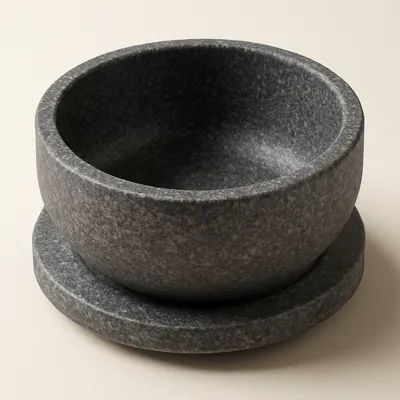
A heavy unglazed Korean stone bowl, 18-22 cm across, that goes from stovetop straight to table. Heated to ~250°C before the rice is added, it crisps the rice into a crackly nurungji (the prized golden crust on the bottom of bibimbap) within 30 seconds. The bowl stays at serving temperature for 15+ minutes — the egg yolk in dolsot bibimbap cooks against the wall as you stir.

A small, thick-walled Korean earthenware pot, 12-18 cm across, that goes from gas burner to table. Its high thermal mass keeps soybean stews (doenjang jjigae), silken-tofu stews (sundubu jjigae), and steamed eggs (gyeran jjim) furiously bubbling for 10+ minutes after leaving the heat. The pot is meant to deliver food still actively cooking — a quirk of Korean meal pacing the Japanese donabe shares.