Pillowy leavened-dough buns steamed over boiling water, filled with seasoned pork and napa cabbage. Found from breakfast carts to Michelin-starred restaurants in every style imaginable, the baozi is China's most democratic and various breakfast staple.



The word 'baozi' appears in Northern Song records: the Yanyi Yimou Lu notes that Emperor Renzong distributed baozi to his court on his birthday, defining them explicitly as 'filled mantou.' The Southern Song culinary encyclopedia Meng Liang Lu catalogues over a dozen varieties sold in Hangzhou markets—lamb, pork-sugar, vegetarian—confirming that filled buns were commercial staples by the 12th century. By the Qing Dynasty, the terminology had stabilised: in the north, filled versions became 'baozi,' unfilled versions 'mantou'; in the south, both kept the name mantou. The most celebrated branded variant, Tianjin's Goubuli, was founded around 1858.
The steam-soft skin yields at the gentlest pressure, releasing a plume of scented air; pork-and-cabbage filling floods the mouth with savoury juice, and the dough dissolves into a faint, clean sweetness.
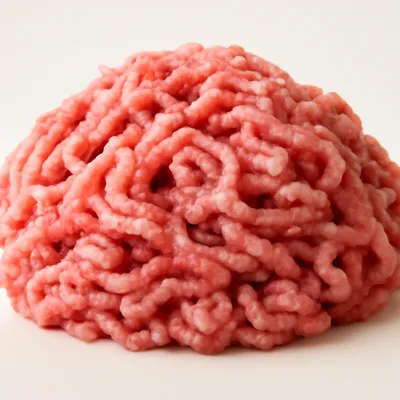
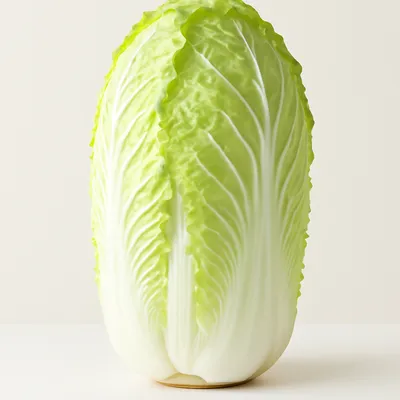
Yeast fermentation produces CO2 bubbles that expand during steaming to give the dough its signature soft, open crumb. Steam at 100°C denatures wheat gluten proteins and gelatinises starch simultaneously, setting the airy structure. A second short proof before steaming ensures the bubbles are fine and evenly distributed. Resting the buns two minutes before removing the lid prevents a sudden pressure drop from collapsing the delicate crumb—the skin would dimple and wrinkle. Adding finely chopped, salted, and squeezed cabbage to pork mince improves juiciness by displacing excess binder and raising water retention.
Variations
Tianjin Goubuli: 18-pleat seal, pure pork filling. Guangdong char siu bao: roast-pork filling in a softer, slightly sweet milk-enriched dough—baked or steamed. Shanghai xiaolongbao: minced pork with aspic inside a thin, pleated skin, generating a liquid-filled centre when steamed. Xinjiang samsa: lamb and onion filling baked rather than steamed, with a flaky crust from high-oven heat. Cantonese lotus-seed-paste bao: sweet filling in the identical dough for a dessert bun.
On the Palate
Where Steamed Stuffed Buns sits in the Chinese flavor cloud
Ingredients
Serves 6

How it's made
7 steps · 1 hour active + 1 hour 5 min waiting
- 155 min
Mix flour and yeast with warm water; knead 10 minutes until smooth and elastic. Cover and prove in a warm place until doubled in size, about 45–50 minutes.
- 28 min
While dough proves, mix pork mince with soy sauce, sesame oil, minced ginger, and white pepper. Salt the cabbage, rest 5 minutes, squeeze out all liquid, and combine with the pork.
Watch outSalt the cabbage, rest it, then wring out every drop — skip this and the filling weeps water and the buns steam up soggy.
- 33 min
Punch down the dough; roll into a long cylinder and divide into 12 equal pieces.
- 45 min
Flatten each piece and roll into a circle about 10 cm wide, thicker in the centre and thin at the rim.
- 510 min
Place 1 tablespoon of filling in the centre; pleat the dough edge all the way around and twist to seal the top.
- 615 min
Rest filled buns on baking-paper squares in the steamer basket, spaced 3 cm apart, for 15 minutes until slightly puffed.
Watch outGive the shaped buns a second short proof until they feel light and slightly puffed — skip it and they steam up dense and tight.
- 716 min
Steam over vigorously boiling water 14 minutes; turn off heat and rest with lid on 2 minutes before serving.
Watch outRest two minutes with the lid on before opening — lift it too soon and the sudden pressure drop dimples and wrinkles the skin.
Archive tool suggestions — not reviewed
These legacy suggestions have not been evidence-reviewed and are not presented as required tools.


