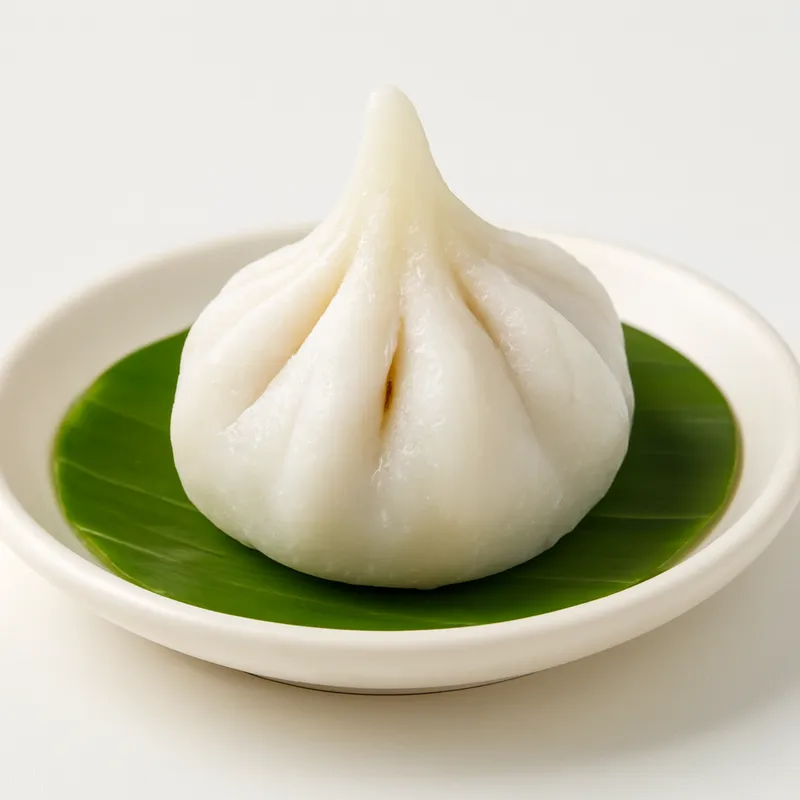
A delicate rice flour dumpling filled with sweetened coconut and jaggery, perfumed with cardamom and saffron, offering a fragrant bite of bliss.



Tied to Lord Ganesha in Hindu tradition for at least a thousand years — the Ganesha Purana and earlier Sanskrit texts name modak as his preferred offering. Maharashtrian and Goan Konkan kitchens make the steamed ukadiche modak; Tamil and Karnataka versions exist as kozhukattai. The 21-pleat count is ritual, not decorative — Ganesha is offered 21 modaks (ekavimshati).
Lord Ganesha's preferred offering — Ganesha Purana names the dish, and 21 modaks (ekavimshati) is the ritual count. The shell dough must be kneaded with scalding water off-heat to partially gelatinize the rice starch; cold-water dough cracks during pleating.
A small white teardrop-shaped dumpling, pleated by hand into 21 ridges that meet at a peak. Steamed rice-flour shell — translucent, slightly chewy — wrapped around a warm filling of grated coconut cooked with jaggery, cardamom and a thread of saffron. One bite breaks the shell and the molten coconut-jaggery runs out. Eaten on Ganesh Chaturthi as the deity's favorite food.
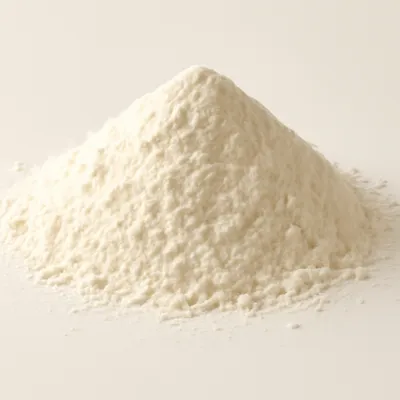
The shell dough is the hard part. Boiling water is poured into rice flour off the heat, kneaded immediately while still scalding (gloved hand or wooden spoon) — the heat partially gelatinizes the starch, which is what makes the dough pliable enough to pleat without cracking. Cold-water dough cracks; lukewarm dough sags. Steam 10–12 minutes; over-steamed shells turn gummy and the filling weeps out.
Variations
Ukadiche modak (Maharashtrian, steamed rice-flour shell); fried modak (wheat-flour shell, longer shelf life); Tamil kozhukattai (saltier savory versions exist); Karnataka kadubu in jackfruit leaves; Goan nevri-modak hybrids appear in Konkani Catholic homes during festivals.
On the Palate
Where Modak sits in the Indian flavor cloud
Ingredients

How it's made
4 steps · 33 min
- 18 min
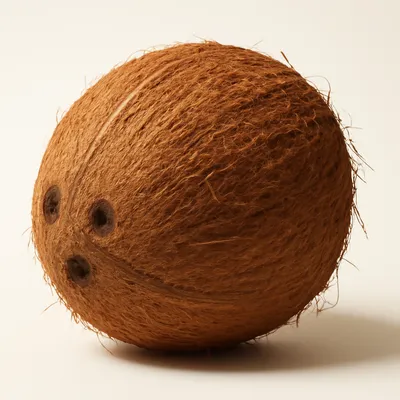
In a pan over medium heat, melt ghee and add grated coconut and jaggery. Stir continuously until the jaggery melts and the mixture thickens, about 8 minutes. Add cardamom and mix well.
Watch outCook the coconut and jaggery until the mix thickens and stops looking wet — a runny filling won't hold inside the pleats.
- 25 min
In a separate bowl, combine rice flour with hot water to form a smooth dough. Knead until soft and pliable, about 5 minutes.
Watch outKnead the scalding dough until it's soft and smooth with no cracks when you press it — that's your sign the starch has set right.
- 310 min
Divide the dough into small balls. Flatten each ball into a disc and place a spoonful of the coconut-jaggery filling in the center. Carefully fold and pleat the edges to form a modak shape.
Watch outMake sure the filling is not too hot when placing it in the dough to avoid tearing.
- 410 min
Steam the modaks in a steamer lined with a damp cloth for 10 minutes until the outer shell is translucent. Serve warm with a drizzle of ghee.
Watch outThe shell turning translucent is the done signal at about ten minutes; past that it goes gummy.
Archive tool suggestions — not reviewed
These legacy suggestions have not been evidence-reviewed and are not presented as required tools.