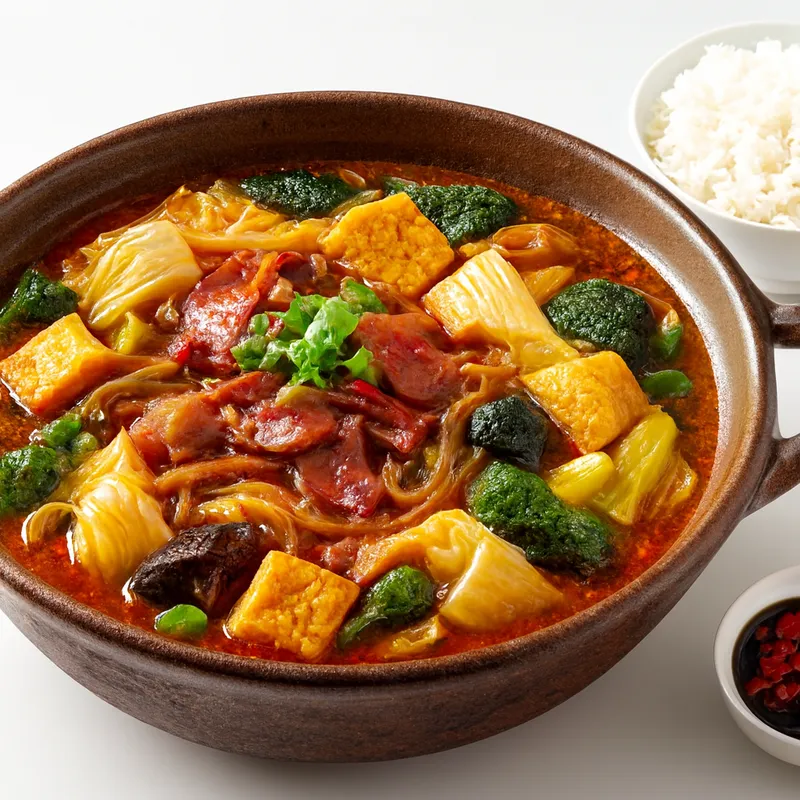
Layers of meat and vegetables stacked and stewed together in a bubbling clay pot, rich and savory.
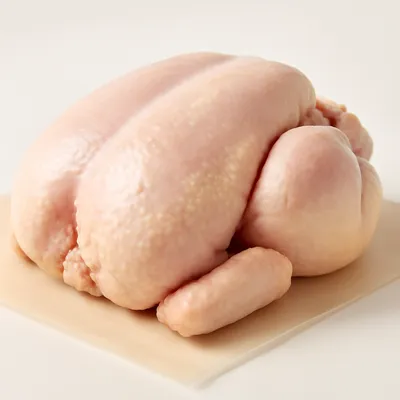



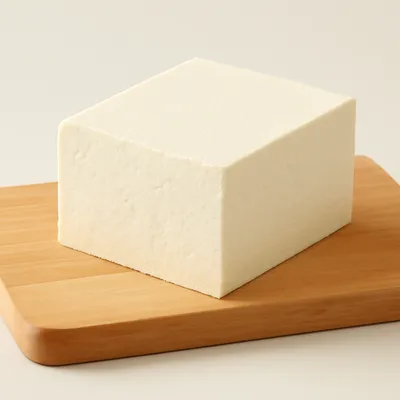
A festival dish from southern Anhui (Huizhou region), traditionally served at Lunar New Year and weddings since at least the Ming dynasty. "Yipin" (一品) is the highest imperial rank, but native accounts tie the name specifically to the legendary creator: the wife of Ming-dynasty official Bi Qiang, who held the first-rank honorary title of 一品诰命夫人 (first-rank titled lady). Her one-pot stew took the name "yipin" from her rank, and it came to signal a prestige dish stacked with everything good in the household. Each family's stack order varies; the egg-dumpling "gold ingots" are non-negotiable for New Year.
A Huizhou New Year and wedding pot dating to the Ming. 一品 means first-rank in imperial officialdom — a stack named for status. Egg-dumpling 'gold ingots' are the non-negotiable layer.
A deep clay pot brought to the table still bubbling, layers visible from above: dried tofu skin and bamboo on the bottom, then meatballs, fried egg dumplings shaped like gold ingots, pork belly slices, and chicken pieces stacked toward the top. The broth at the bottom has cooked down to a dark, sticky reduction. Eaten in turns from the top down — the bottom layers are the prize, fully soaked.
The cook order is the trick: ingredients that need long stewing (bamboo, tofu skin) line the bottom where heat concentrates; delicate items (egg dumplings, fish balls) ride the top where steam alone cooks them. One pot, multiple doneness levels. Stirring ruins it — the layers are structural, not decorative, and disturbing them turns the dish into a generic stew.
Variations
Shexian families anchor the pot on dried tofu skin (干豆腐皮); Tunxi versions push fish balls higher in the stack; Jixi adds local 火腿 ham, closer to Jinhua than to Anhui standard.
On the Palate
Where Hui-Style Yipin Pot sits in the Chinese flavor cloud
Ingredients




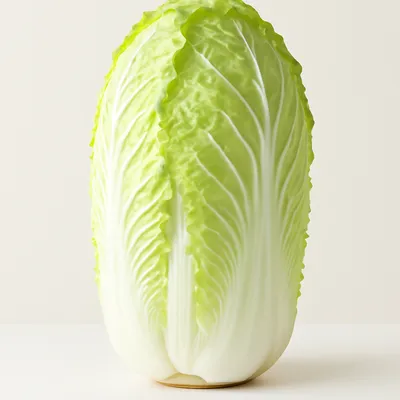


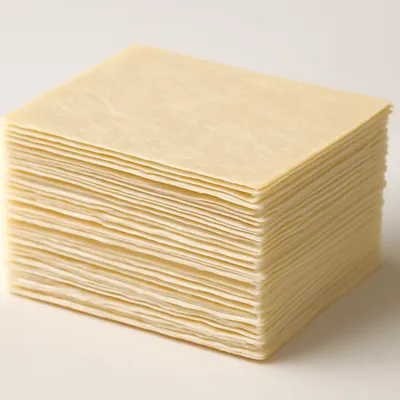

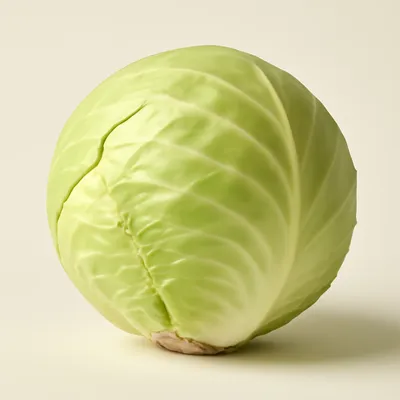
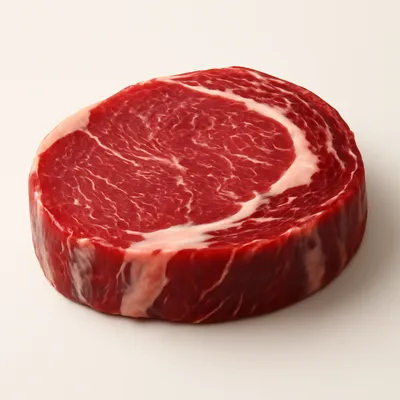
How it's made
4 steps · 40 min
- 110 min
In a large pot, sear the chicken, pork belly, and duck over medium-high heat until golden brown, about 10 minutes. The meats should have a deep caramel color and release a savory aroma.
Watch outEnsure the meats are well-browned; this step develops the rich flavor base.
- 25 min
Add sliced shiitake mushrooms, bamboo shoots, and tofu to the pot. Stir for 5 minutes until the mushrooms are tender and the tofu is lightly browned.
- 310 min
Pour in soy sauce and a cup of water, bringing the mixture to a simmer. Add vermicelli, napa cabbage, and ham, cooking until the cabbage is wilted and the vermicelli is soft, about 10 minutes.
Watch outMake sure the mixture reaches a gentle simmer; boiling can cause the vermicelli to break apart.
- 415 min
Add the beef and any remaining vegetables. Cover the pot and simmer for another 15 minutes, allowing the flavors to meld together. The broth should be rich and aromatic.
Watch outCheck that the pot is covered tightly to prevent evaporation, which can concentrate flavors too much.
Archive tool suggestions — not reviewed
These legacy suggestions have not been evidence-reviewed and are not presented as required tools.