
In Practice
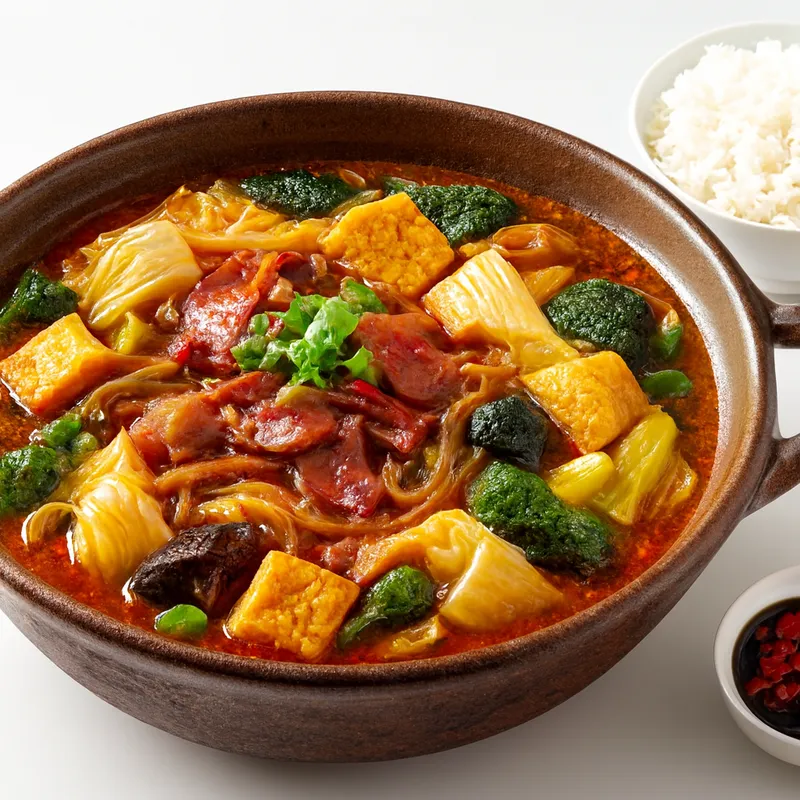
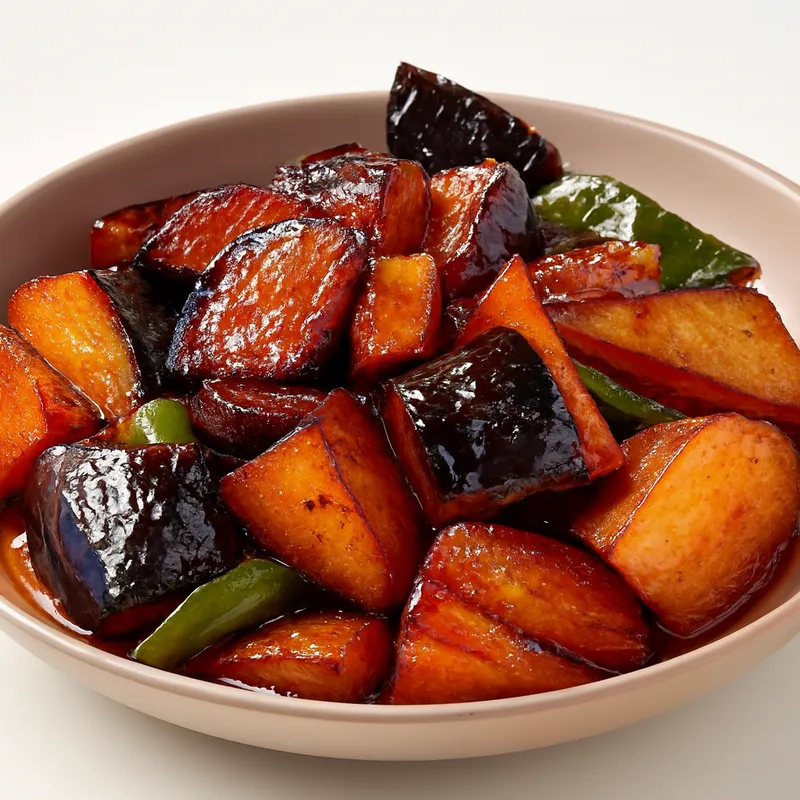
Hairy tofu (mao doufu): Wuyuan-style — silk tofu cubes laid on rice straw in 12-18°C/85% humidity for 3-7 days; Mucor and Actinomucor bloom into white fluff 2-3cm long, the fungus secreting protease that pre-digests the protein. Stinky mandarin fish (chou guiyu): salt-rubbed mandarin fish stacked in wooden barrel under stone weight 6-9 days at 15-20°C until it smells of overripe cheese. Failure modes: above 22°C wild bacteria dominate before Mucor establishes (slimy, off-color); below 10°C nothing grows; too little salt on the fish lets Clostridium take hold.
Background
In the winding hills of the ancient Huizhou region, during the Southern Song Dynasty (1127-1279), the method of fermentation emerged as a necessity for preservation and flavor enhancement in a time when refrigeration was non-existent. Huizhou, known for its humid climate and fertile lands, was the perfect incubator for this technique. The region's isolation from bustling trade routes allowed it to develop its culinary identity, capitalizing on local resources like soybeans, wheat, and rice.
As trade and migration expanded in later dynasties, Huizhou merchants carried the secrets of fermentation to other parts of China, yet it remained quintessentially Huizhou. Unlike other fermentation techniques in China, which might prioritize sweetness or acidity, Huizhou fermentation is all about depth and earthiness, maintaining a distinct profile even as it influenced neighboring regions, setting apart dishes like Stinky Mandarin Fish and Anhui Hairy Tofu.
How It Works
A two-stage controlled mold-and-bacteria process. Soybean or wheat substrates inoculated with Aspergillus oryzae or natural koji-like spores produce proteases and amylases that cleave proteins into glutamate and starches into glucose. A second-stage halophilic and Tetragenococcus bacterial ferment in 15-18% brine generates lactic and acetic acids, esters, and the signature Huizhou stink (volatile sulfur compounds — dimethyl trisulfide, indole) at pH 4-5.


Through Time
Documented from Southern Song (1127-1279) Huizhou merchant routes — fish carried inland from the Yangtze took 7-8 days, arriving fermented, and merchants noticed the result was better. Wuyuan's hairy-tofu tradition appears in Ming gazetteer records. The Anhui-cuisine standard-bearer is Hu Mingchao at Beijing's Huijialou; Lu Wenfu's 1983 fiction *The Gourmet* and the 2020s Hui-cuisine revival under chef Lu Chunlin keep the technique alive.
Related cooking knowledge
Stinky tofu (chou doufu, Shaoxing/Changsha) uses related brine ferments but with different microbial ecology — primarily lactic. Doubanjiang and miso are koji-driven legume ferments at the next scale up. Surstromming, Nordic fermented herring, hits similar volatile-sulfur territory through pure anaerobic lactic ferment. Furu (fermented tofu) is the table-condiment relative.