
A Yunnan store-cupboard condiment of wild termite mushroom (鸡枞菌) torn into strips and slow-fried in oil until its water is driven off, then sealed under the spiced oil it cooked in. Rapeseed oil is heated with dried chili, Sichuan pepper, star anise, and tsaoko (草果); the torn mushroom goes in over a low flame and is rendered for several hours until brown, dry, and fragrant but not crisp. Cooled and jarred in its own oil, it keeps for months without spoiling. Spooned over plain rice or a bowl of rice noodles, it is one of the most prized pantry toppings in the province.



Termite mushroom is a fungus of the genus Termitomyces (蚁巢伞属); it grows only in symbiosis with termites, which cultivate its mycelium inside their nests, and its fruiting body cannot form without them. Of the roughly thirty species named worldwide, about thirteen occur in China and twelve in Yunnan, so the province is its heartland. The wild mushroom appears only briefly in the rainy season and does not keep fresh, and oil-preserving is the long-standing Yunnan answer to that: rendering it slowly in oil drives off the water and seals it against spoilage. Counties such as Yuxi, Chuxiong, and Fengqing are noted for it. The exact inventor and date of the method are unrecorded; 鸡枞 is widely called 'the king of mushrooms' (菌中之王) in local usage.
The strips come up glossy and deep brown, chewy and a little springy rather than crisp, having given up most of their moisture to the long fry. The first taste is the oil itself, thick with chili warmth and the resin of tsaoko and star anise, and behind it the mushroom's own meaty, faintly sweet umami, far more concentrated than the fresh fungus. Good oil is clear and the strips are dry-fragrant and intact; badly made, the mushroom is fried too hard and turns brittle and bitter, or it is rendered too briefly, holds water, and the jar sours and grows cloudy within weeks.
Preservation here turns on getting the water out and then keeping air out. Fresh termite mushroom is largely water; held in oil over a low flame for hours, that water boils off steadily — the oil stays well below the temperature of a fast fry, so the strips dry and brown slowly without scorching, and their proteins and sugars develop a deep roasted aroma. With the moisture gone, the spoilage microbes that need water can no longer grow, and once the mushroom is cooled and submerged in its own oil, the oil layer caps it off from air. The chili, Sichuan pepper, star anise, and tsaoko are not just for flavor: their aromatic oils carry mild antimicrobial compounds and perfume the oil that becomes half the dish. The single most important point is to render long enough that the mushroom is truly dry, or the trapped water will turn the jar.
Variations
The spicing varies by household and county: some keep it simply chili-and-Sichuan-pepper hot, others lean on tsaoko, star anise, and fennel; a milder, less fiery jar is made for those who cannot take the heat. Fengqing in the west is especially known for its oil-preserved version. Where wild termite mushroom is scarce or costly, the same method is used on cultivated mushrooms such as oyster or king oyster, sold as an everyday substitute, though the wild fungus has a finer texture and aroma. The fresh mushroom is also eaten quite differently — torn and stir-fried, or simmered into soup — rather than preserved.
On the Palate
Where Oil-Preserved Termite Mushroom sits in the Chinese flavor cloud
Ingredients
Serves 20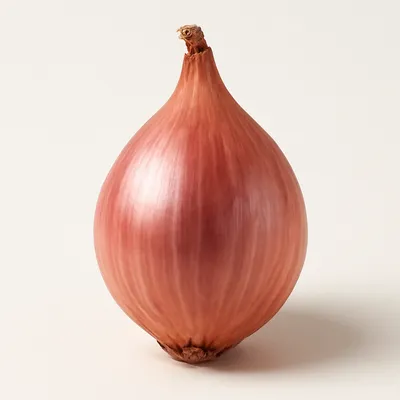

How it's made
7 steps · 1 hour active + 5 hours waiting
- 120 min
Trim the dirt from fresh termite mushrooms, rinse them clean, and tear them lengthwise along the grain into strips; spread them out and let the surface water dry off.
Watch outLet the surface water dry off the torn strips first — wet mushroom spatters in the oil and steams instead of slowly drying and browning.
- 25 min
Cut dried chilies into short lengths; have Sichuan pepper, star anise, and a cracked tsaoko pod ready.
- 35 min
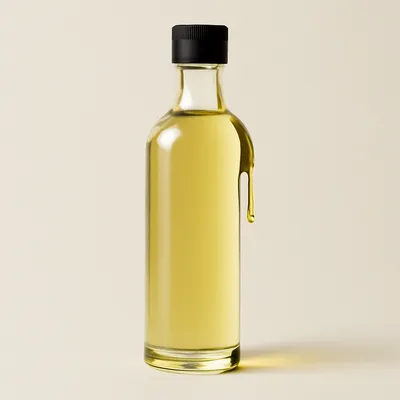
Heat rapeseed oil in a wok over high heat until it just smokes, then drop in a couple of whole shallots or scallion whites to cook off the raw-oil smell and lift them out.
- 45 min
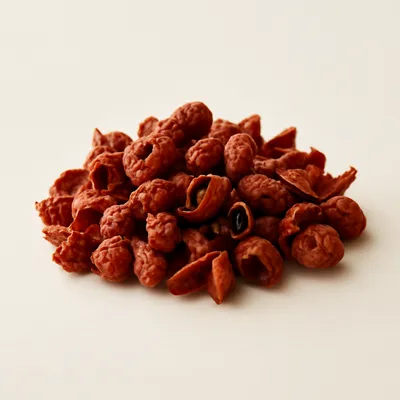
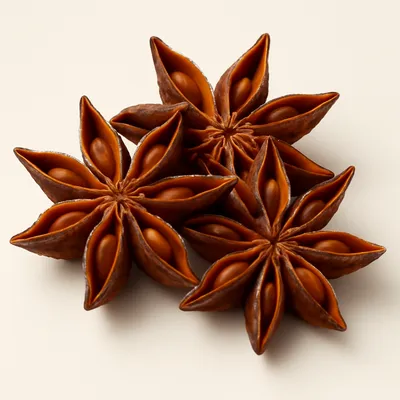
Lower the heat and add the Sichuan pepper, dried chili, star anise, and tsaoko; fry gently until fragrant.
- 5240 min
Add the torn mushroom and render over a low flame, stirring now and then, for several hours until the strips are brown, dry, and fragrant but not brittle.
Watch outRender over a low flame for hours, stirring now and then, until the strips are brown, dry and fragrant but not brittle — high heat scorches them before the water's gone.
- 6180 min
Turn off the heat and let everything cool in the wok for several hours so the spiced oil soaks fully into the mushroom.
- 75 min
Pack the mushroom into a clean dry jar, pour over enough of the oil to submerge it completely, seal, and store.
Watch outPour over enough oil to fully submerge the mushroom — any strip sticking out above the oil is exposed to air and will spoil.


