Traditions
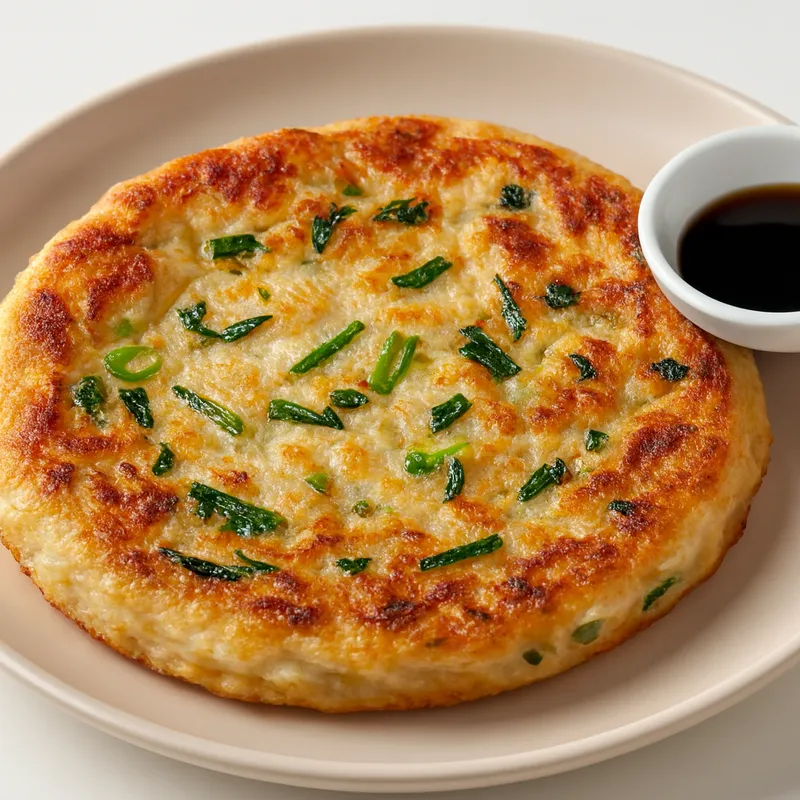
Baijiu cooking emerged in the heart of Shandong during the Ming Dynasty, a time when the region was recognized for its flourishing brewing practices. With the province's fertile plains yielding abundant sorghum, the primary ingredient for baijiu, the technique of infusing this potent spirit into local dishes naturally evolved. The robust flavors of baijiu were harnessed to elevate Shandong cuisine, showcasing the region's penchant for bold, spirited flavors.
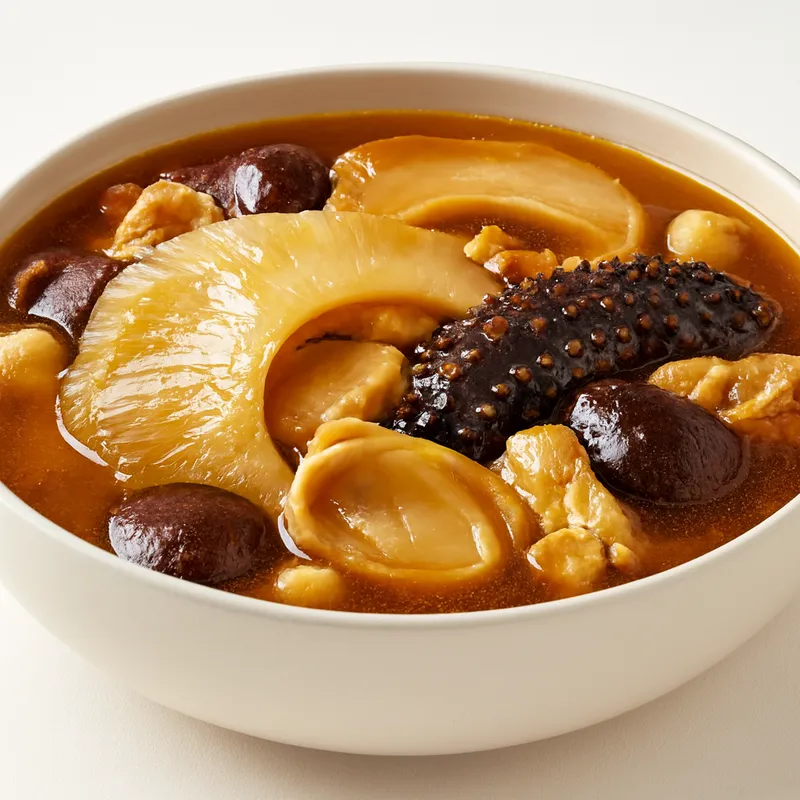
This method gradually spread beyond Shandong as trade routes expanded, reaching other provinces where it was adapted to local tastes. In Sichuan, for instance, baijiu was used to imbue fiery hotpots with an additional layer of depth, while in Fujian, it found its way into the complex broth of Buddha Jumps Over the Wall. Yet, in Shandong, the use of baijiu remains deeply rooted in its original form, a testament to the region's culinary heritage.
How It Works
Baijiu is 38-65% ABV with hundreds of volatile congeners — ethyl acetate, ethyl hexanoate, tetramethylpyrazine — produced by qu mold fermentation. Added off-heat or near the end, ethanol evaporates at 78.4°C carrying lipophilic aromatics that bind to the fat phase of the dish; deglazing with it lifts fond proteins and Maillard polymers off hot metal.
In Practice
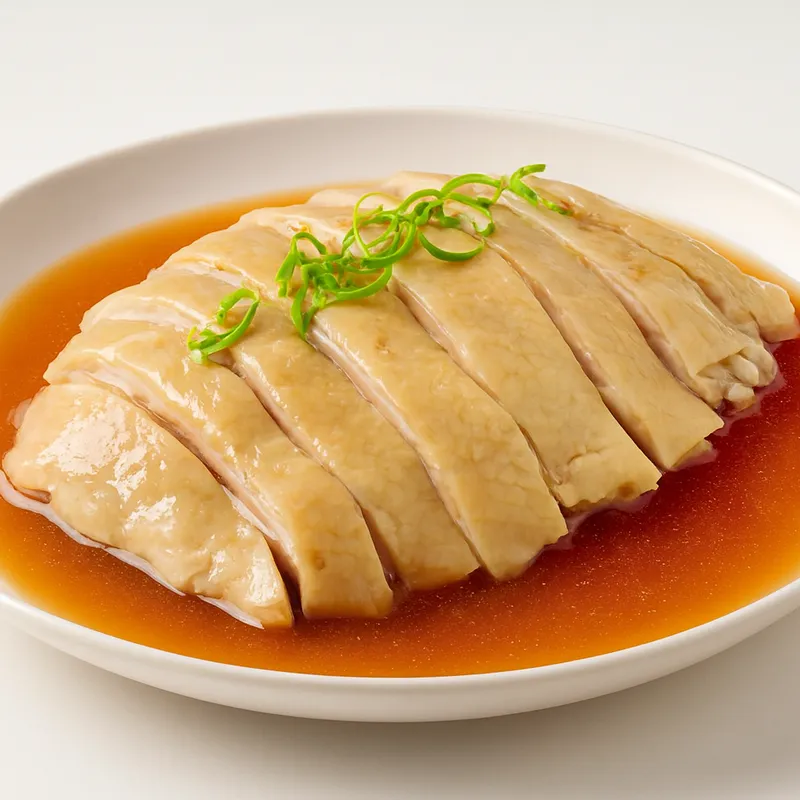
the craftUse a strong-aroma (nongxiang) baijiu like Wuliangye for braised meats or sauce (jiangxiang) like Moutai for game; light-aroma (qingxiang) like Fenjiu for seafood. Splash 15-25 ml down the side of a 230°C+ wok so it ignites briefly — the controlled deflagration burns off harshness while fixing aroma to the food. Add at the final 20-30 seconds, never with the marinade. Failure modes: pouring into a cold pan leaves a raw-alcohol bite; using a cheap erguotou with thin congener profile gives heat without perfume.




Through Time
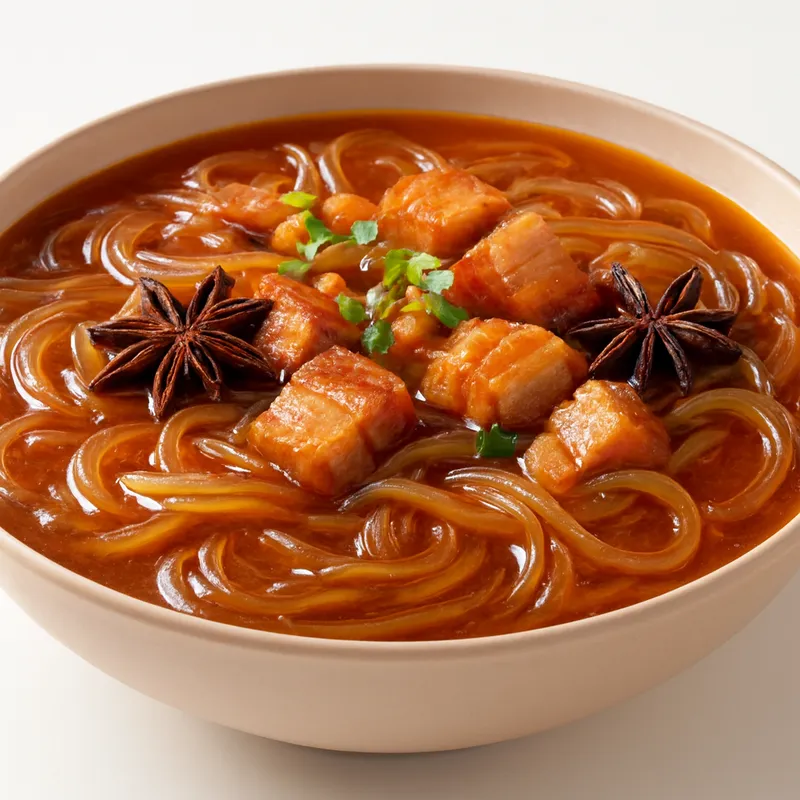
The technique grew with Ming-dynasty (1368-1644) sorghum distillation in Shandong and Sichuan. Codified in Yuan Mei's 1792 *Suiyuan Shidan* and Tong Yuejian's 1790 *Tiao Ding Ji*, which lists baijiu deglazing for hong shao rou. Modern Shandong chef Wang Yiyun and Sichuan's Yu Bo at Yu's Family Kitchen are current authorities; the 2000s baijiu renaissance through Derek Sandhaus's writing brought it into international gastronomy.
Related cooking knowledge
Shaoxing wine cooking is the milder cousin — fermented rather than distilled, 14-18% ABV, used in larger volume earlier in the cook. Flambé in French cuisine (cognac, calvados) is the same deflagration principle. Wine-braising and mirin glazing share the alcohol-as-aromatic-carrier mechanism but at lower proof.