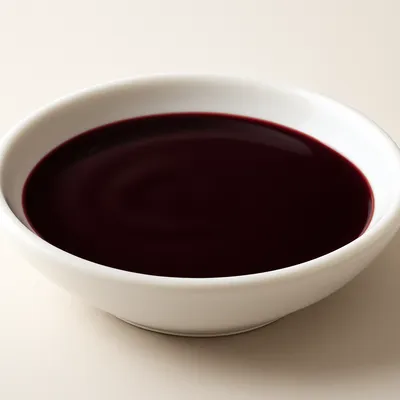
Taiwanese tian-bu-la — pieces of deep-fried fish paste simmered with white radish, braised egg, blood cake and bamboo shoots in a dashi-and-pork-bone broth, then served in a bowl of that warm broth and brushed with a thick sweet-and-spicy haishan sauce. A southern Taiwan night-market staple whose name comes from the Japanese tenpura, though the dish itself is closer to oden.


Tian-bu-la entered Taiwan during the Japanese colonial period (1895–1945). Its name is the Taiwanese-Hokkien reading of the Japanese 'tenpura', which in the Kansai region refers not to battered prawns but to satsuma-age — deep-fried fish-paste cakes. Taiwanese vendors kept that meaning: the dish is fried fish paste, not tempura batter. Over time the southern night-market form merged with oden — the fried pieces are simmered in broth alongside radish and egg and ladled out in a bowl, finished with a sweet haishan sauce. In northern Taiwan the same simmered-in-broth assortment is more often sold under the name 'olen', a direct loanword from the Japanese oden, while 'tian-bu-la' tends to denote the fish-paste pieces themselves.
First a spoonful of the warm radish-sweet broth, then a fried fish cake — springy and bouncy, with a faintly seared edge from the frying. The radish is soft and saturated with stock, the braised egg savory, the blood cake dense and sticky. Over it all sits the haishan sauce, sweet first and mildly chili-warm after, the 'tian' before the 'la' the name promises.
Fish paste sets into a springy gel because salt dissolves the muscle protein myosin, which cross-links on heating into a continuous elastic network — the same gelation that gives fish balls their bounce. Deep-frying at about 170°C firms and lightly browns the surface so the pieces hold shape in the broth instead of dissolving. The braising step is osmotic: the porous radish and the egg white slowly draw in the glutamate-rich dashi-and-bone stock, so flavor moves into the solids rather than staying only in the liquid. The haishan sauce is thickened with starch and balanced sweet-over-spicy with sugar, miso or fermented-bean paste, and chili.
Variations
Southern Taiwan serves it bowl-style swimming in broth with the sweet haishan sauce; northern stalls more often plate the fried pieces semi-dry with sauce on top, or fold the whole simmered assortment into 'olen'. Fillings vary — fish-paste sticks, flat cakes, blood cake, radish, braised egg, bamboo shoot, fish balls. Some shops add a squirt of garlic paste; the famous Tainan style leans heavily on its house haishan sauce.
On the Palate
Where Tian Bu La sits in the Taiwanese flavor cloud
Ingredients
Serves 4


How it's made
7 steps · 40 min
- 115 min
Make or buy fish paste; if making, blend white fish with salt, a little starch and ice water until sticky and elastic.
Watch outBlend the fish paste until it's sticky and stretchy — the salt has to dissolve the myosin so it sets bouncy; a paste that stays loose and grainy won't gel and the pieces fall apart in the broth.
- 25 min
Shape the paste into long sticks or flat cakes with wet hands or a piping bag.
- 310 min
Deep-fry the pieces at about 170°C until set and lightly golden, then drain.
Watch outFry at around a hundred-seventy degrees just until set and lightly gold — hot enough to firm the shape so it holds in the broth, not so hot it browns hard.
- 420 min
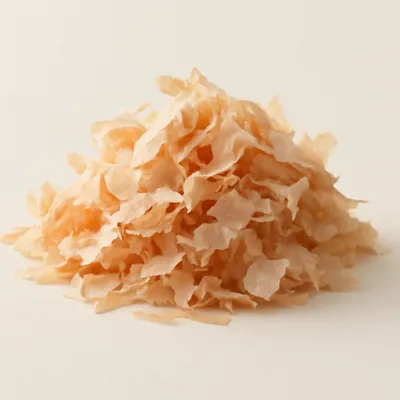
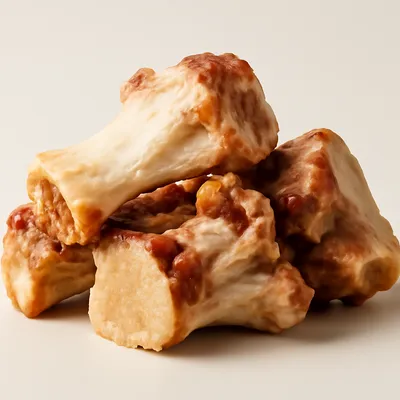
Build a broth from dried bonito flakes (dashi) and pork bones; peel and chunk white radish, and prepare braised eggs, blood cake and bamboo shoot.
- 530 min
Simmer the radish in the broth until translucent, then add the fried fish pieces, egg and blood cake and simmer gently so they absorb flavor.
Watch outSimmer the radish first until it turns translucent — that's when it's soft enough to drink in the stock; add the fried pieces after so they soak up flavour without going soggy.
- 68 min
Stir up a haishan sauce: thicken stock or water with starch and season with sugar, miso or fermented-bean paste and chili to a sweet-then-spicy balance.
- 72 min
Ladle the simmered pieces and some broth into a bowl and brush generously with the warm haishan sauce; add garlic paste if liked.


