Fukui's defining rice-bowl: thin slices of pork are breaded in fine panko, deep-fried, then dipped whole into a warm, thin Worcestershire-style sauce and laid in overlapping layers over plain steamed rice. Unlike the egg-bound katsudon eaten across most of Japan, the Fukui version has no egg and no broth—just sauce-soaked cutlet and rice, sometimes with a leaf of shredded cabbage beneath. The cutlets are sliced thin enough to part with chopsticks, and the sauce carries a sweet-sour, lightly spiced edge from its German-rooted recipe. Locals simply call it 'katsudon'; the qualifier 'sauce' exists only for outsiders who expect the egg version. It is the city's most cited soul food and a fixture of Fukui diners and home tables alike.


Sauce katsudon is traced to Europe-ken (ヨーロッパ軒), a Western-style eatery opened in Tokyo's Waseda district in 1913 by Takabatake Masutaro, who had spent roughly 1907-1912 training under cooks at a Japanese club in Berlin. He adapted the German pork schnitzel by dressing a fried cutlet in Worcestershire sauce over a bowl of rice, called it simply 'katsudon,' and presented it at a 1913 cooking exhibition. After his Tokyo shop was destroyed in the Great Kanto Earthquake, he moved his family back to his native Fukui in 1924 and reopened there; the Fukui head shop marked a century in the city in 2024. The egg-free, sauce-dipped style took root as Fukui's standard, and across the prefecture 'katsudon' is assumed to mean the sauce version. Komagane in Nagano and the Aizu region of Fukushima carry their own sauce-katsudon traditions, but the Fukui dish is the canonical Hokuriku one.
The first thing is the crackle—a thin, fine-panko crust that has soaked just enough sauce to soften at the surface while staying crisp underneath. The pork is sliced thin and yields instantly to chopsticks, sweet and tender, the meat juices meeting the tang of the sauce. The Worcestershire glaze is sweet-sour and faintly spiced, dark and glossy where it pools into the rice below, turning the top layer of grains savory. There is no egg to mute it: the bowl is all crisp cutlet, warm sauce, and clean rice.
Slicing the pork thin matters twice over: it cooks through in the brief fry before the crust darkens, and it stays tender to the bite. The sauce is a Worcestershire-type—fruit and vegetable purees with vinegar, sugar, salt and spices, its dark color and savory depth built by Maillard browning during its long manufacture, the same reaction that gives the fried crust its aroma. Dipping the hot cutlet whole, rather than pouring sauce over the bowl, lets the panko's open crumb wick liquid into the crust by capillary action: the surface drinks just enough to taste of sauce while the interior of the crumb holds its crunch for a short while. Fine panko is used over coarse so the thin cutlet gains a delicate shell, not a heavy one; the bread shards crisp because their surface water flashes off in the roughly 170-180°C oil while the starch sets. Because nothing is bound in egg or simmered in dashi, the contrast of crisp-and-wet stays sharp—which is exactly why it must be eaten soon after assembling.
Variations
The classic Europe-ken bowl tops rice with three sauce-dipped cutlets; some shops bed the rice on shredded cabbage, others keep it bare. Cut varies from a single thin loin to several stacked slices, and pork loin or tenderloin (hire) are both used. The sauce recipe is closely held shop to shop, leaning sweeter or sharper. Across the prefecture a soy-dashi 'oroshi katsudon' topped with grated daikon is also eaten, and a few places offer a miso-sauce version. Beyond Fukui, Komagane in Nagano and Aizu-Wakamatsu in Fukushima maintain parallel sauce-katsudon styles, often with thicker cutlets.
On the Palate
Where Sauce Katsudon sits in the Japanese flavor cloud
Ingredients
Serves 2
How it's made
6 steps · 35 min
- 115 min
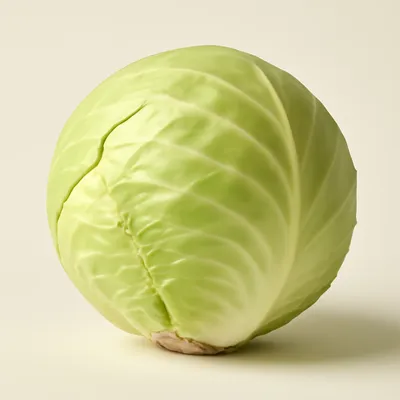
Cook short-grain rice and keep warm. Make the sauce: simmer Worcestershire sauce with a little sugar, ketchup, and dashi or water until lightly thickened, then keep warm in a wide shallow pan.
- 26 min
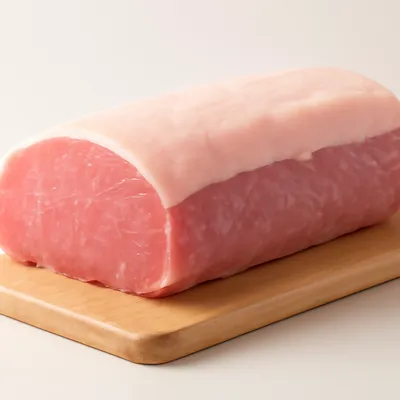
Slice pork loin into thin pieces about 7mm thick, pound lightly to even thickness, and season with salt and pepper.
Watch outSlice the pork thin, about 7mm — thin enough to cook through in the brief fry before the crust darkens, and it stays tender to the bite.
- 35 min
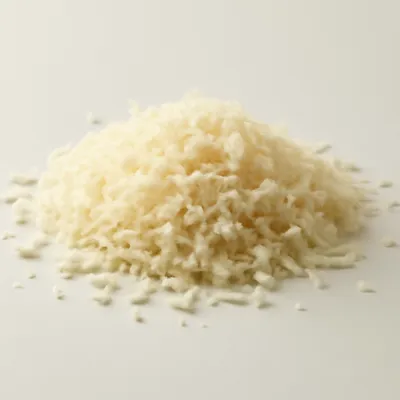
Dredge each slice in flour, dip in beaten egg, then coat in fine panko, pressing the crumbs on.
- 44 min
Heat oil to 170-180°C and fry the cutlets until golden and crisp, 2-3 minutes, turning once; drain briefly.
Watch outFry at 170 to 180 until golden and crisp, 2 to 3 minutes — hot enough that the crumb browns fast and stays crisp instead of drinking oil.
- 51 min
Dip each hot cutlet fully into the warm sauce so both sides are coated.
Watch outDip the whole hot cutlet into the warm sauce so the panko wicks it in — dunking, not pouring over the bowl, is what lets the crust drink just enough to taste of sauce while staying crisp.
- 62 min
Fill bowls with rice (over a bed of shredded cabbage if desired) and lay the sauce-dipped cutlets over the top in overlapping layers. Serve at once.
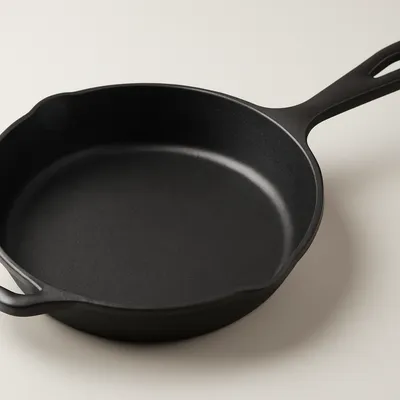
Archive tool suggestions — not reviewed
These legacy suggestions have not been evidence-reviewed and are not presented as required tools.