The steeped leaves of Ilex paraguariensis, drunk hot from a shared cup and passed socially in a long, slow round — an Argentinian import that has become so embedded in coastal-Syrian life that Syria is the world's second-largest importer of yerba maté.


Yerba maté is the single most distinctive consumable of coastal Syria, yet almost no general Syrian-food list includes it. Brought back by Syrians who had migrated to Argentina in the mid-to-late 19th century, it entered the formal trade record in 1936 — the first year of Argentine yerba-mate export data — when Syria already imported roughly 39.6 tons, second only to Bolivia. Consumption grew so much that Syria is now the world's largest importer, taking in tens of thousands of tons a year (around 34,500 tons in 2018) and absorbing the great majority of Argentina's maté exports before the war. It is now so embedded in coastal social life that it ranks alongside coffee and tea. Ethnobotanical accounts note especially high consumption among the Alawite and Druze communities of the Latakia and Tartus coast. In Syria it is usually drunk from a glass teacup rather than the South American gourd, and the sharing ritual (one cup, one metal straw, passed clockwise) is preserved. It is the social fabric of the coast in liquid form.
Bitter, earthy, vegetal — somewhere between green tea and roasted yerba. The first sip is sharply astringent; as the round of water refills continues, the flavor mellows and sweetens slightly. Drunk warm through the metal straw (bombilla), it is mildly stimulating, somewhere between coffee and tea in caffeine-like lift, without the jolt.
Yerba maté contains caffeine (a xanthine alkaloid), theobromine and theophylline — a stimulant profile that gives a smoother, longer lift than coffee alone (theobromine provides a gentler cardiovascular effect; theophylline relaxes airways). The traditional preparation — steeping (never boiling) the leaf in hot water and drinking through the bombilla filter-straw — extracts the caffeine and flavor compounds slowly across multiple infusions, so a single serving of leaves yields many cups. Boiling the leaf releases excessive tannins (unpleasant bitterness); water just off the boil is ideal. The saponins in the leaf give the characteristic froth and contribute the bitterness.
Variations
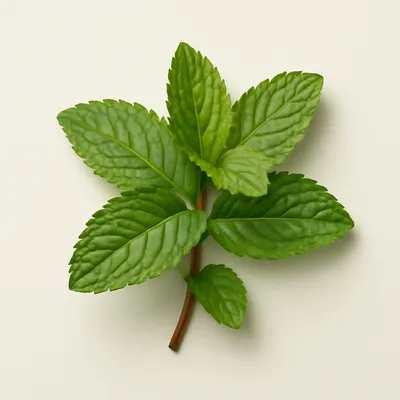
Some add sugar or a little mint. In winter it is sometimes drunk with a splash of citrus. The South American gourd is occasionally used among purists.
On the Palate
Where Yerba Mate Syrian sits in the Syrian flavor cloud
Ingredients
Serves 4How it's made
5 steps · 10 min
- 11 min
Fill a glass tumbler or teacup (in Syria) about two-thirds full with dry yerba maté leaves.
- 21 min
Insert the bombilla (metal filter-straw) into the leaves, filter-end down, pressing it to one side of the glass.
- 33 min
Heat water to about 75-80°C — just off the boil, never boiling (boiling makes the maté unpleasantly bitter).
Watch outHeat the water just off the boil, 75-80 degrees, never boiling — boiling water scalds the maté leaf harshly bitter.
- 41 min
Pour a small amount of the warm water over the leaves to wet them; let sit 30 seconds for the leaves to swell, then fill the glass the rest of the way with warm water.
- 54 min
Drink the first infusion through the bombilla yourself, then refill with warm water and pass the single glass clockwise to the next person; continue refilling and passing for a long, slow round of shared drinking.
Archive tool suggestions — not reviewed
These legacy suggestions have not been evidence-reviewed and are not presented as required tools.


