
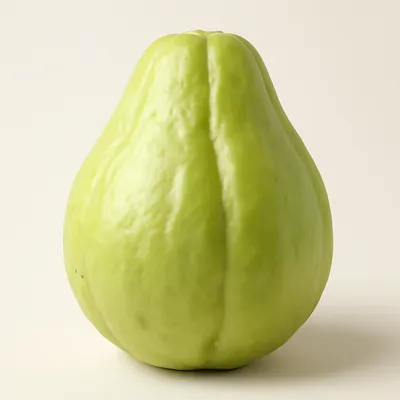
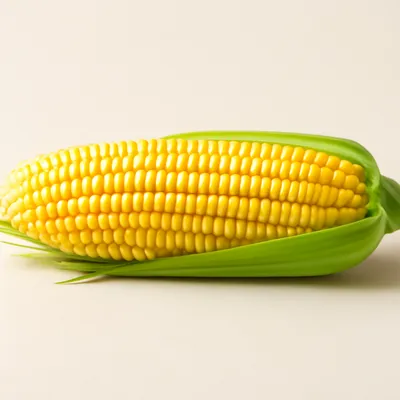
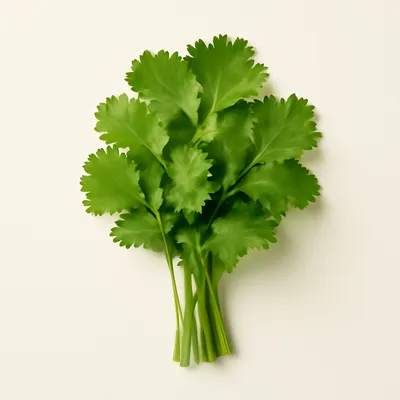
Beef shank slow-simmered with bone for 2 hours, then loaded with a generous array of root vegetables: yuca, sweet potato, white potato, plantain (both green and ripe), chayote, carrot, corn-on-the-cob chunks, and finally fresh cilantro at the end. The Costa Rican Sunday family soup; served with rice on the side to mix into the broth.
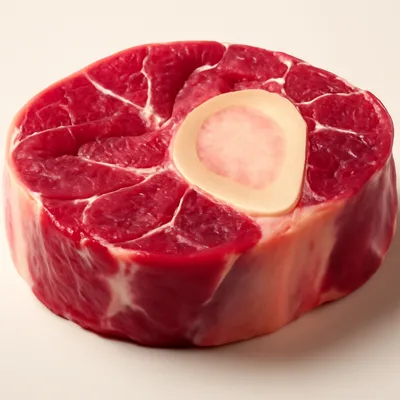
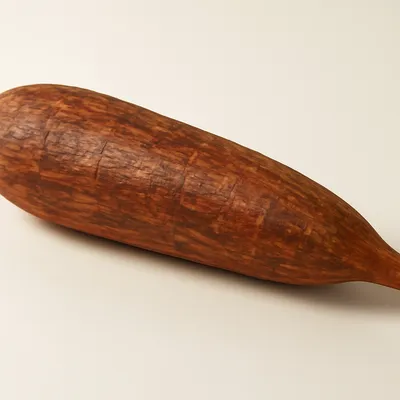
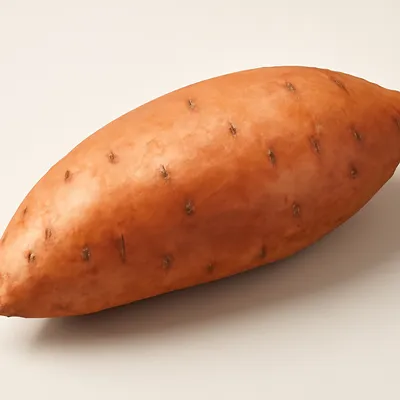

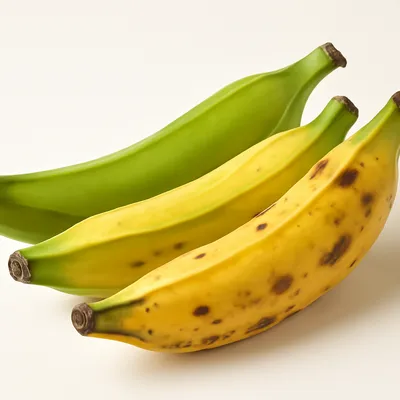
Olla de carne ('pot of meat') is the Costa Rican Sunday family lunch — beef bones simmered for hours produce a deep gelatinous broth that the assorted root vegetables soak up. It descends from the Spanish olla podrida (a one-pot stew of meat, bone, legumes, and vegetables; the 'podrida' meant 'powerful/nourishing,' not 'rotten'), which evolved into the Spanish cocido and, transplanted to the Americas, gave rise to a whole family of dishes — Colombian sancocho, Cuban ajiaco, Argentine puchero, and this Costa Rican pot. The Spanish introduced it to Costa Rica in the late 18th century, where it has been eaten by rich and poor alike for over a hundred years, adapted to locally available beef, corn, yuca, and plantain. The dish reflects Costa Rica's agricultural identity: every vegetable in the pot grows easily in Costa Rican climate. Each family has slight variations in vegetables and timing; rural communities often add cassava leaf or other regional vegetables. Sundays in many Costa Rican households start with the smell of olla de carne simmering since morning.
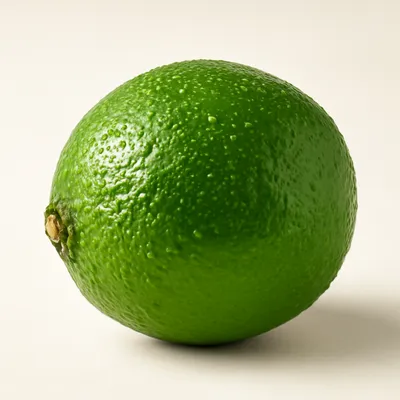
Spoon brings up clear amber broth thickened slightly by bone gelatin and starch from the root vegetables. Each vegetable contributes distinctively: yuca creamy, sweet potato sweet, plantain double-character (green starchy + ripe caramel), chayote crisp-tender, carrot lightly sweet. Beef is fork-tender from the long simmer; rice added to the bowl drinks up the broth. A squeeze of lime brightens everything. Sunday lunch in Costa Rica = this bowl.
Hours of simmer at bare-bubble heat is structural — bone collagen converts to gelatin at 75-85°C, giving the broth body. Each vegetable has different cooking times, which is why they're staggered: yuca and corn need longest, chayote and ripe plantain shortest. Cilantro and lime added at the end preserve their bright volatile compounds; cooking would dull them. The rice-into-the-bowl tradition isn't ceremony — it's how the bowl achieves perfect carb-to-broth balance for the diner.
Variations
Coastal version (Puntarenas) adds a piece of cassava leaf for extra greenness. Cartago mountain version uses a tougher cut (beef neck) and longer simmer. Some families add ñampí (yam-relative tuber) when available. Modern Tico restaurants sometimes serve olla de carne in two-stage: broth first, vegetables and meat second, for elegance.
On the Palate
Where Olla de Carne sits in the Costa Rican flavor cloud
Ingredients
Serves 8








How it's made
9 steps · 35 min active + 2 hours 25 min waiting
- 15 min
Place 1.5 kg beef shank with bone (or 1 kg beef chuck + a pork or beef knuckle bone) in a large pot. Cover with 4 L cold water.
- 24 min
Add 1 whole onion (halved), 6 garlic cloves smashed, 2 bay leaves, 1 tbsp salt, 1 tsp peppercorns, a 5-cm chunk of fresh ginger (Costa Rican touch).
- 395 min
Bring slowly to a boil. Skim foam aggressively first 15 min. Reduce to bare simmer. Cover partially; simmer 90 min until beef begins to tenderize and broth is rich.
Watch outSkim the grey foam off aggressively in the first 15 minutes, then back the heat right down to where the surface barely trembles.
- 418 min
While beef cooks, prep vegetables: peel 500 g yuca and cut into 4 cm chunks; peel 1 sweet potato into 4 cm chunks; peel 2 white potatoes into 4 cm chunks; cut 1 green plantain and 1 ripe plantain into 4 cm chunks; cut 2 chayotes into 4 cm chunks; cut 3 carrots into 4 cm chunks; cut 2 corn on the cob into 4 cm rounds.
- 517 min
After 90 min beef simmer: add the hardest vegetables first — yuca, carrots, corn — simmer 15 min.
Watch outYuca, carrot and corn go in first because they hold the longest — they should still have a little bite at this stage.
- 613 min
Add white potato, sweet potato, green plantain — simmer 12 min more.
- 710 min
Add chayote and ripe plantain (these cook fastest) — simmer 8-10 min until all vegetables are fork-tender.
Watch outChayote and ripe plantain need only 8-10 minutes; the moment a fork slides in cleanly, everything's ready.
- 85 min
Taste broth — adjust salt heavily (vegetable absorption thins seasoning). Stir in 6 tbsp chopped fresh cilantro and the juice of 1 lime.
Watch outStir in cilantro and lime off-heat at the very end so their fresh aroma stays bright.
- 912 min
Serve in deep bowls: a chunk of beef, a generous spread of vegetables, and broth ladled to fill. White rice on the side; diners spoon rice into the bowl mid-meal. Lime wedges and Salsa Lizano on the table.


