
Ghent chicken-and-vegetable cream stew — chicken poached in a rich broth with leek, carrot, celery, and potato, finished with a generous addition of cream and egg yolks that thicken the broth to a silky-pale, nearly-Hollandaise-like sauce. Garnished with parsley and chervil and served over the cooked vegetables. The original 'waterzooi' used river fish; the chicken version became standard from the 19th century onward.
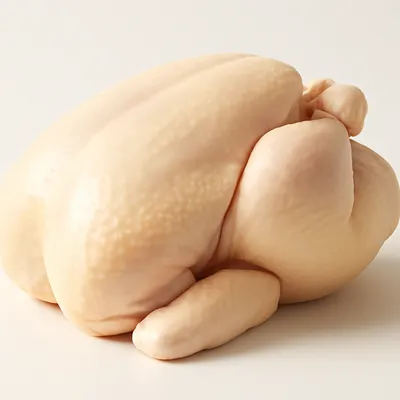


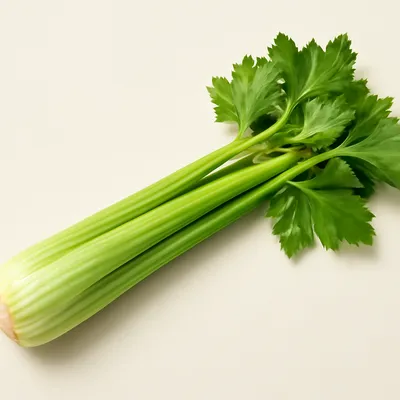
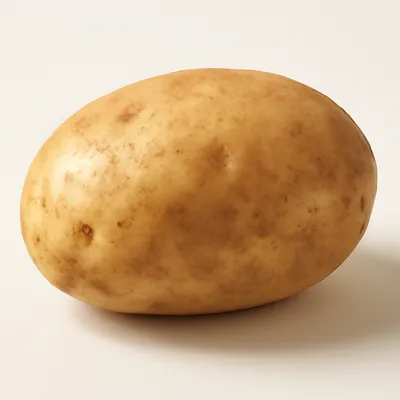

Waterzooi is Ghent's signature dish, with documented origins in the medieval Flemish riverine kitchen — 'water' (water) + 'zooien' (to boil). The original fish version ('waterzooi van vis') used river perch, pike, and eel from the Scheldt and Leie rivers around Ghent. As the rivers became polluted in the 19th century, the chicken version ('waterzooi van kip') became dominant. The dish's defining feature is the FINISH: just before serving, a generous amount of double cream + 3-4 egg yolks is whisked into the broth and warmed (NOT boiled) until the broth thickens to a velvety pale-yellow sauce. The vegetables — leek, carrot, celery, potato — are cooked separately and arranged in the bowl. Ghent restaurants like 'Brasserie Pakhuis' and 'Belga Queen' serve canonical waterzooi as both lunch staple and tourist showpiece.
Waterzooi is pure Flemish comfort. The first spoon: silky cream-and-egg sauce that's pale yellow and barely-thicker-than-broth, with the depth of chicken stock and lemon-bright finish. Vegetables are still distinct in shape (potato cubes, carrot batons, leek discs) and each tastes of itself — leek's allium sweetness, carrot's earthy sugar, potato's neutral starch. The chicken is moist from poaching, tender enough to break with the side of a spoon. Bread to mop up the last of the sauce. Eaten in Ghent on a rainy October evening with a glass of Westmalle Tripel, this is what Belgian cooking is really about.
The cream-egg liaison (also called 'sauce parisienne') is the technical centerpiece. Egg yolks contain lecithin, an emulsifier that binds fat and water. Whisking yolks + cream + lemon juice creates a stable emulsion. Adding hot broth slowly while whisking (tempering) raises the yolk temperature without curdling. Returning to LOW heat thickens the sauce as the yolk proteins gently coagulate around fat droplets, creating a velvety mouthfeel. The trick is keeping temperature below 80°C (172°F) — above this, the proteins fully coagulate and curdle. Modern Flemish chefs sometimes substitute crème fraîche for a more stable (less prone to curdling) sauce.
Variations
Waterzooi van Kip canonical (chicken, modern standard); Waterzooi van Vis (fish version — original, using river perch + pike + eel; rare today); Brussels variant adds white wine to the broth; modern brasserie versions use crème fraîche instead of yolks (more stable, less rich); vegetarian Waterzooi uses vegetable broth + mushrooms instead of chicken (called 'waterzooi van groenten'); Ghent canonical garnish includes parsley + chervil + tarragon.
On the Palate
Where Waterzooi sits in the Belgian flavor cloud
The whole dish lives or dies on the cream-and-yolk liaison: whisk it into the broth over the lowest heat and never let it boil, or the yolks scramble and the velvety sauce curdles.
Ingredients
Serves 6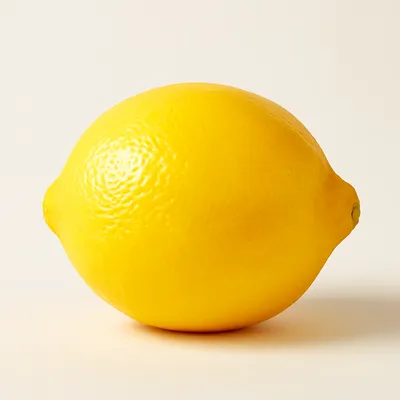




How it's made
10 steps · 50 min active + 40 min waiting
- 150 min
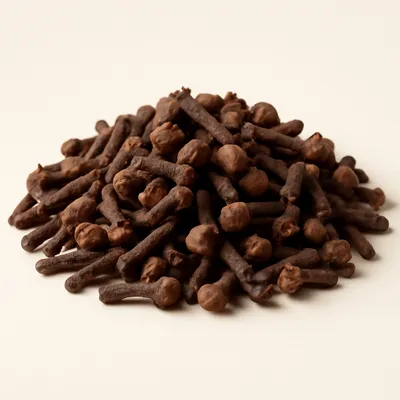
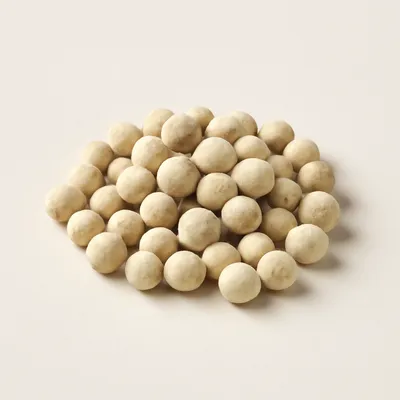
Make broth: in a stockpot combine 1 whole chicken (~1.5kg, cut into 8 pieces) + 2L water + 1 onion (halved, studded with 3 cloves) + 1 carrot (split) + 1 celery rib + 4 parsley stems + 1 bay leaf + 6 black peppercorns + 1 tsp salt. Bring to a boil; reduce; simmer 45 min until chicken is just cooked through. Skim foam.
- 26 min
Remove chicken; let cool. Strain broth; discard solids. Return broth to a clean pot. You should have ~1.5L clear amber broth.
- 34 min
Skin chicken; pull meat off bones in large chunks. Keep warm covered with a bit of broth.
- 48 min
Prep vegetables: cut 2 leeks (white + light green only) into 4cm batons; 3 carrots into batons; 3 celery ribs into 4cm pieces; 600g potatoes (peeled, cut into 2.5cm chunks).
- 518 min
In the broth pot, add potatoes; simmer 8 min. Add carrots; simmer 4 min. Add leeks + celery; simmer 5 min until all vegetables are just tender (don't overcook).
- 63 min
Use a slotted spoon to transfer vegetables to a warm bowl. Reserve broth.
- 75 min
The cream-egg liaison: in a separate bowl, whisk 4 egg yolks + 250ml double cream + 1 tbsp lemon juice. Ladle 1 cup hot broth slowly into the yolk mixture, whisking constantly to temper (do not curdle).
Watch outWhisk the yolks, cream and lemon smooth first, then trickle the hot broth in slowly while whisking — never dump it all at once.
- 85 min
Return the tempered mixture to the broth pot off direct heat. Whisk constantly over very low heat 3-4 min until the broth thickens to a velvety pale-yellow sauce. Do NOT let it boil — it will curdle.
Watch outWatch the surface: it should steam and thicken to coat a spoon but never bubble — the first bubble means it's too hot.
- 92 min
Taste; adjust with salt + white pepper + a touch more lemon juice for brightness.
- 105 min
Assemble bowls: place a portion of vegetables + chicken pieces in each deep bowl. Ladle the thickened sauce generously over (about 250ml per bowl). Garnish with 1 tbsp chopped parsley + 1 tbsp chopped chervil + a few fresh tarragon leaves. Serve with crusty bread.
Watch outKeep vegetables and chicken in the bowl and ladle the pale-yellow sauce over generously right before serving.
Archive tool suggestions — not reviewed
These legacy suggestions have not been evidence-reviewed and are not presented as required tools.


