
Brussels chicken vol-au-vent (Dutch: koninginnehapje, 'queen's bite') — a large puff-pastry shell filled with a creamy velouté loaded with poached chicken, small meatballs, and mushrooms, finished with lemon and parsley, and traditionally served with frites. The most refined of Belgian comfort foods, found at every brasserie and Sunday family lunch. The dish is French in origin — its name translates the French 'bouchée à la reine' (named for the queen of Louis XV) — but the chicken-meatball-mushroom filling is the Belgian standard.




Vol-au-Vent à la Bruxelloise (called 'Koninginnehapje' in Dutch, 'Bouchée à la Reine' in French) is one of Belgium's most refined home-and-bistro dishes. The puff-pastry shell technique is French in origin (the modern vol-au-vent is credited to early-19th-century French court patissier Marie-Antoine Carême), and the filling is the Brussels canonical: a cream-and-stock velouté with poached chicken + small meatballs + button mushrooms. The name is not Belgian: 'koninginnehapje' is a Flemish rendering of the French 'bouchée à la reine,' which traces to Marie Leszczyńska, the Polish-born queen of Louis XV, who reportedly asked her court patissier for a savory bouchée to please the king — so the dish is French in origin, not named for a Belgian queen. The dish requires careful technique: poaching the chicken without overcooking, forming uniform small meatballs, and reducing the sauce to the right consistency without breaking the emulsion.
Vol-au-Vent à la Bruxelloise is Belgian Sunday-lunch at its most refined. First bite: shatter through the buttery flaky puff-pastry top. Inside: chicken in a cream velouté, with surprise textures — a small meatball that breaks apart at fork-pressure, a sautéed mushroom that releases umami, threads of tender shredded chicken. The sauce is rich but cut with lemon brightness; nutmeg adds depth. Each bite alternates: pastry, filling, pastry, sauce, meatball, chicken. Eat with Belgian frites and a glass of Belgian Tripel beer. The dish that turns a meal into an occasion.
Three technical pillars: (1) Poaching chicken gently in stock preserves tenderness — boiling would tighten the proteins. (2) The velouté (blond roux + chicken broth) is the foundation; the addition of cream + egg yolks creates a liaison that thickens and enriches without curdling at low heat. (3) Tempering egg yolks (mixing them gradually with hot liquid before returning to heat) prevents protein coagulation. The pastry shell must be baked HOT (200°C) and FAST so it puffs before the inside becomes greasy — making vol-au-vent shells properly is a separate technique. Pre-made shells are widely available in Belgian supermarkets.
Variations
Brussels canonical (chicken + small meatballs + mushrooms + cream), the meatballs usually veal or mixed minced meat; seafood variation uses shrimp + scallops instead of chicken; modern restaurant version adds truffle oil; gluten-free version with rice-flour roux; mini vol-au-vent for cocktail parties; the Walloon version uses more lemon. The meat filling is the soul of the dish, so there is essentially no true vegetarian version.
On the Palate
Where Vol-au-Vent à la Bruxelloise sits in the Belgian flavor cloud
Ingredients
Serves 4




How it's made
11 steps · 1 hour active + 30 min waiting
- 130 min
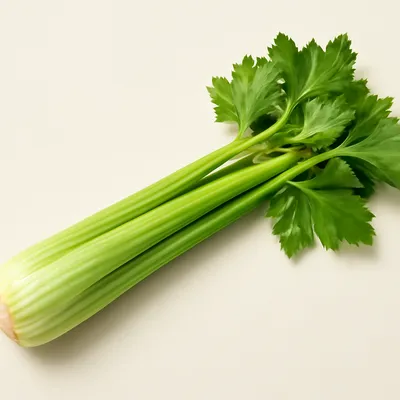
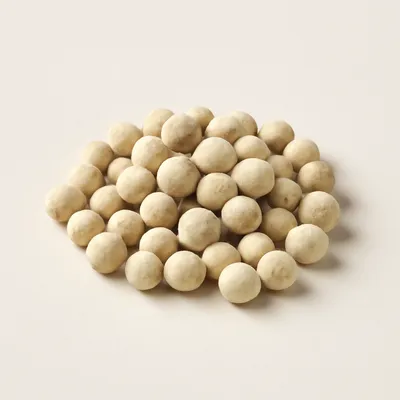
Make poaching broth: in a stockpot combine 4 chicken thighs (boneless, skinless) + 1.5L water + 1 onion (halved) + 1 carrot (split) + 1 celery rib + 1 bay leaf + 4 peppercorns + 1 tsp salt + 4 parsley stems. Bring to a simmer; poach chicken 25 min until just cooked through. Remove chicken; let cool. Reserve 600ml broth.
Watch outKeep the poaching liquid trembling, never rolling — visible bubbles mean the chicken is toughening.
- 28 min
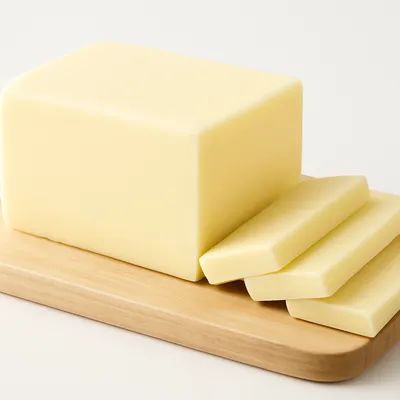
Make veal meatballs (gehaktballetjes): in a bowl combine 200g ground veal + 1 tbsp finely-chopped onion + 1 tbsp bread crumbs (soaked in 1 tbsp milk) + 1 egg yolk + 1/2 tsp salt + 1/4 tsp white pepper + pinch nutmeg. Mix gently. Form into 20 small balls (1.5cm diameter).
- 311 min
Poach the meatballs in the reserved chicken broth for 10 min until cooked through. Remove with slotted spoon; reserve.
- 49 min
Pre-cook mushrooms: in a skillet, sauté 250g button or cremini mushrooms (quartered) in 2 tbsp butter over medium-high heat 8 min until golden and moisture released. Set aside.
- 59 min
Make velouté sauce: in a heavy saucepan melt 60g butter over medium heat. Whisk in 60g all-purpose flour; cook 3 min to make a blond roux. Gradually whisk in 600ml of the chicken broth. Cook 5-7 min, whisking constantly, until thickened to a coating consistency.
Watch outCook the blond roux three minutes until it smells like toasted nuts, then whisk broth in slowly so no lumps form.
- 64 min
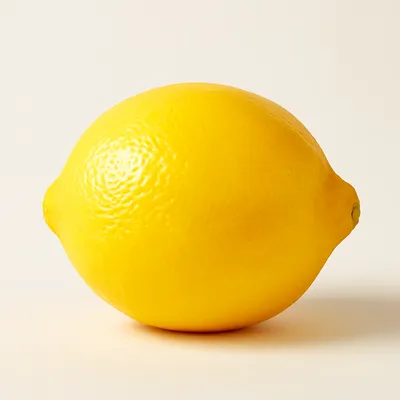
Add 200ml double cream + 1 tbsp lemon juice + 1 tsp Dijon mustard + 1/2 tsp white pepper + 1/4 tsp nutmeg. Simmer 3 min more.
- 73 min
Off heat, whisk in 2 egg yolks + 2 tbsp more cream (tempered with a ladle of hot sauce first). Return to very low heat 2 min, whisking, to thicken — DO NOT boil (will curdle).
Watch outAfter the yolks go in, hold it at the barest heat and stop the instant it thickens — bubbles here mean it's curdling.
- 85 min
Shred the cooled chicken into bite-sized chunks. Add the chicken + meatballs + mushrooms to the velouté. Stir gently to combine. Add 3 tbsp chopped parsley + lemon zest. Taste; adjust seasoning.
- 922 min
Bake the vol-au-vent shells: use 4 pre-made puff-pastry shells (or make from scratch: cut 4 12cm circles + 4 9cm circles from puff pastry; cut centers from 9cm circles; layer 9cm rings on top of 12cm circles; brush with egg wash; bake at 200°C 18 min until deep golden and risen). Hollow out the center if needed.
- 102 min
Place each baked shell on a plate. Generously ladle the chicken-mushroom filling into the center. Top with another spoonful + 1 small mushroom + parsley. Place the pastry 'lid' on top.
- 111 min
Serve immediately, while the pastry is still flaky-warm and the filling is bubbling. Side with Belgian frites or buttered new potatoes + a simple green salad. Pair with a Belgian Tripel or a Chablis.
Archive tool suggestions — not reviewed
These legacy suggestions have not been evidence-reviewed and are not presented as required tools.
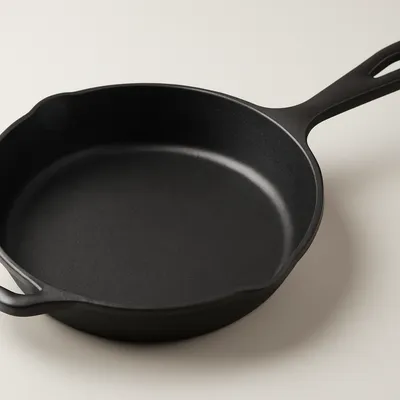
A heavy, single-piece cast iron pan, 25-30 cm across, weighing 1.5-2.5 kg. Once preheated, the thick mass holds 230°C+ even when a cold steak hits the surface — that's the secret to a deep crust. A well-seasoned skillet (multiple thin layers of polymerized oil baked into the iron) is essentially nonstick, gets better with use, and lasts a century. Lodge skillets from Tennessee have been in continuous production since 1896.

Hand-held wire loop tool for beating eggs, whipping cream, emulsifying dressings, and incorporating air into batters. Balloon whisks (large round head) for whipping cream and meringues; French whisks (narrow tear-drop) for sauces in pots; flat whisks (gravy) for pan sauces. Stainless steel is universal; silicone-coated for non-stick pans.

Round metal pot, 14-26 cm diameter, with vertical walls and a long handle, designed for sauces, soups, oatmeal, rice, boiled vegetables. The vertical walls minimize evaporation (vs. a sauté pan). Sizes: 1 qt for melting butter, 2-3 qt for sauces, 4 qt for soups. Stainless-steel-clad aluminum or copper is best for conduction; cast-iron is too thick for delicate sauces.


