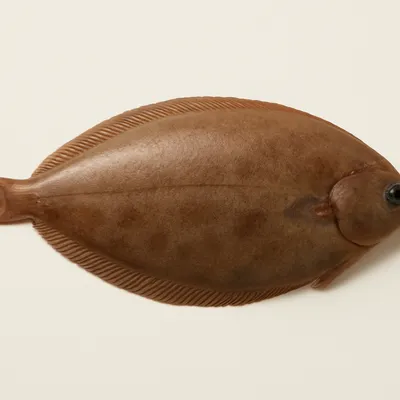





The meunière technique—'in the style of a miller's wife,' referring to the flour coating—is French in classical origin but was embraced so completely by Belgian coastal cooking that Zeetong meunière became the signature preparation of Ostend and the West Flanders coast. North Sea sole is prized for its sweet, firm white flesh; the Ostend fish market, active since the Middle Ages, made it a daily ingredient in both household and hotel kitchens. Belgian chefs at Ostend's grand hotels in the late 19th and early 20th centuries elevated the meunière method into the definitive presentation for fresh local sole, and it remains the benchmark preparation against which all other sole dishes on the Belgian coast are measured.
A crisp golden crust gives way to yielding, sweet sole flesh; browned butter coats the palate with warm, nutty richness that a hit of fresh lemon immediately cuts through—lean, direct, and deeply satisfying.
Flour coating creates a moisture barrier that allows the fish surface to reach the 140–150°C Maillard threshold even as the flesh releases steam; without flour the wet surface would only steam rather than brown. The butter is then cooked in a separate addition until its water fully evaporates and the milk solids undergo Maillard browning above 140°C, generating furanones, lactones, and other aromatic compounds that produce beurre noisette's characteristic caramel-hazelnut character. Lemon juice added last drops the temperature, halts the browning, and provides acidity that lifts the overall flavour.
Variations
Fillets can replace whole sole for easier service. Adding capers and anchovy to the browned butter creates a grenobloise variation. In upscale Ostend restaurants, the spine is traditionally removed tableside by the waiter. Some chefs add finely chopped tarragon and chervil to the beurre noisette.
On the Palate
Where Zeetong meunière sits in the Belgian flavor cloud
Ingredients
Serves 2
How it's made
7 steps · 20 min
- 13 min
Pat sole thoroughly dry on both sides with paper towel; season with salt and white pepper.
Watch outPat the sole bone-dry and flour it right before frying — a wet surface only steams; the flour is what lets it hit browning temperature and turn golden.
- 22 min
Spread flour on a large plate; dredge sole on both sides, shaking off excess.
- 32 min
Heat a large skillet over medium-high; add 40g butter and let it foam.
- 44 min
Lay sole in the foaming butter; cook without moving for 3–4 minutes until the first side is golden; flip carefully.
- 53 min
Cook the second side 2–3 minutes until just cooked through; transfer to warm plates.
- 62 min
Return pan to medium heat; add the remaining 40g fresh butter; swirl steadily until the milk solids turn golden-brown and emit a hazelnut aroma.
Watch outSwirl the second batch of butter until the milk solids turn golden-brown and smell of hazelnut — that's beurre noisette; take it further and it goes past nutty into acrid burnt.
- 74 min
Squeeze in lemon juice and add minced parsley; swirl and immediately pour over the sole; serve with frites or salt-baked potatoes.


