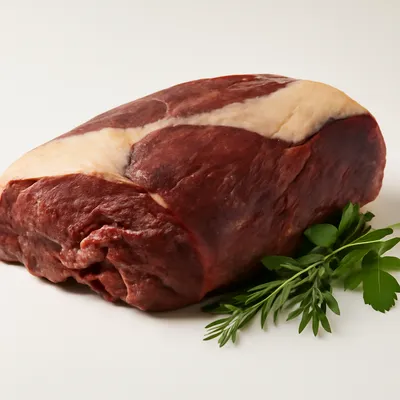



Wild boar has been hunted across the European continent since Antiquity; the Latin 'singularis porcus' (solitary pig) gave rise to the Old French 'sanglier' documented around 1160. In the Belgian Ardennes, where dense oak and beech forest has sustained boar populations for centuries, the civet became the canonical autumn and winter dish of hunting households and forest-edge inns. The word 'civet' itself derives from 'cive', a medieval term for onion or chive, pointing to the dish's essential aromatic base. Blood-thickened civets were codified in French culinary writing by the early 20th century, though blood remained optional in Belgian country kitchens, where the emphasis fell on juniper, bay, and a long, wine-heavy braise. The younger animal, called 'marcassin', is preferred for its milder flavour and shorter required marinade (one day versus up to 48 hours for older boar).
Dark, glossy, and deeply savoured — the braised boar is fork-tender with a slightly gamey depth, the wine and juniper-scented sauce coating each piece with a clingy, round richness that builds from the first bite.
The marinade serves two functions: the acidic wine begins to denature surface proteins and loosen tough connective tissue (collagen), while the aromatics — juniper, bay, thyme, cloves — penetrate the meat during the extended soak. During braising at 90-100°C, collagen in the boar's shoulder and neck slowly converts to gelatin over 2-3 hours, giving the sauce its body and the meat its yielding texture. The Maillard reaction during the initial browning of meat and lardons at high heat builds hundreds of flavour compounds that the braising liquid then solubilises and carries. If blood is added at the end (off the heat), its myoglobin and albumin coagulate at around 70°C, thickening and darkening the sauce without curdling, provided the temperature is kept below a full boil.
Variations
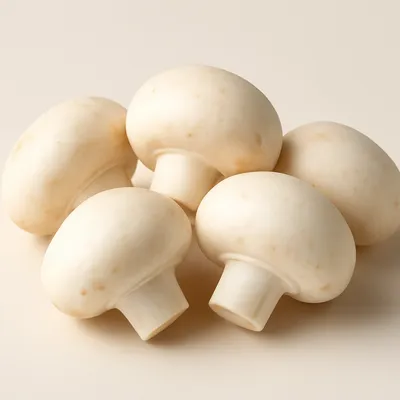
Marcassin (young wild boar, up to 2 years old) gives a milder, less gamey result and needs only a 24-hour marinade. Some Ardennes recipes substitute dark Belgian beer for a portion of the wine, echoing carbonnade. Mushrooms — cepes or button — are common additions. Blood thickening is traditional but optional.
On the Palate
Where Civet de sanglier/marcassin sits in the Belgian flavor cloud
Ingredients
Serves 6


How it's made
7 steps · 1 hour active + 2 days waiting
- 12880 min
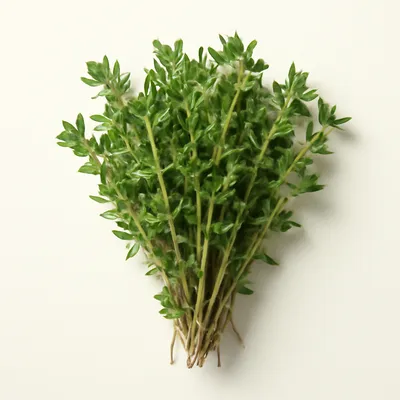
Combine red wine, sliced onion, carrot, celery, parsley, thyme, bay leaves, juniper berries, cloves, and a splash of vinegar in a large bowl; submerge the boar pieces (shoulder or neck, cut into 60g chunks); cover and refrigerate for 24-48 hours, turning occasionally.
Watch outSubmerge the boar fully in the wine marinade and give it the full 24 to 48 hours — the acid loosens the tough sinew and the juniper and bay work their way in; short-cut it and the meat stays firm and flat.
- 210 min
Remove the meat, pat dry thoroughly; strain the marinade, reserving both the liquid and the aromatics separately.
- 35 min
In a heavy casserole, render diced lardons over medium-high heat until golden; remove with a slotted spoon.
- 410 min
Brown the boar pieces in the lardon fat in batches over high heat, ensuring a deep Maillard crust on all sides; remove and set aside.
Watch outBrown the meat hard in batches to a deep crust on every side — that seared crust builds the flavor the braise then pulls into the sauce; crowd the pan and it steams grey.
- 55 min
Fry the strained marinade aromatics (onion, carrot) in the same pot until softened; add a tablespoon of flour and stir to form a brief roux.
- 6150 min
Return the meat and lardons; pour over the reserved marinade liquid; add mushrooms, season, and bring to a gentle simmer; cover and braise over very low heat for 2-3 hours until the meat is fork-tender.
- 75 min
If using blood, remove the casserole from the heat, stir in the blood in a thin stream, and gently reheat below boiling; adjust seasoning and serve with boiled potatoes or egg noodles.
Watch outIf finishing with blood, stir it in off the heat and reheat below a boil — let it boil and the blood curdles into grains and splits the sauce.
Archive tool suggestions — not reviewed
These legacy suggestions have not been evidence-reviewed and are not presented as required tools.


