A whole beef tongue simmered for four hours in aromatic vegetable bouillon until silky-tender, then sliced and served with a Madeira-mushroom sauce; deeply savory, occasion-worthy, and long a centerpiece of festive Flemish buffets and winter dinner parties.
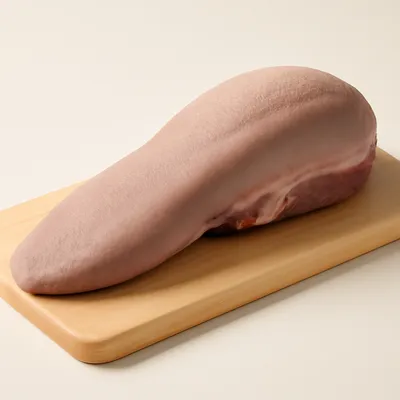



Ox tongue has been prized in Flemish cooking since the medieval period, when offal was central to both farm and guild-hall feasting—no part of a slaughtered animal was wasted. The pairing with Madeira wine reflects centuries of trade between the Low Countries and the Atlantic wine islands: Madeira reached Antwerp and Ghent via Portuguese merchants from at least the 17th century and was adopted into bourgeois Flemish cooking as a prestige fortified wine. By the 19th century, tongue in Madeira sauce was firmly on Flemish festive menus, documented in regional cookbooks and celebrated today by Flemish chefs such as Jeroen Meus as a 'real classic'—a dish signaling occasion, patience, and culinary heritage.
Yielding, deeply savory slices of tongue in a dark, glossy sauce layered with earthy mushroom notes, a hint of tomato acidity, and the oxidized sweetness of Madeira.
Beef tongue is one of the body's hardest-working muscles, dense with intramuscular collagen and type-I/III collagen sheaths. Four hours of gentle simmering at 85–90℃ hydrolyzes these collagen structures into gelatin, transforming the initially firm tissue into yielding, gelatinous slices. Peeling the outer mucosa immediately while the tongue is still hot is critical: the membrane loosens during cooking but re-adheres on cooling. The Madeira sauce gains body from a butter-flour roux (starch gelatinization) and depth from reduced tomato paste (pectin concentration, Maillard browning, glutamate umami); Madeira's fortified, cask-aged base contributes oxidized lactones and ketones that create the sauce's distinctive nutty-caramel aromatic signature.
Variations
Calf's tongue is a lighter, more delicate substitute requiring only 2–2.5 hours of simmering; some recipes add cornichons or capers for acidity; the sauce occasionally incorporates veal demi-glace for deeper body; served with creamy mashed potatoes, potato croquettes, or buttered noodles.
On the Palate
Where Rundstong in madeirasaus sits in the Belgian flavor cloud
Ingredients
Serves 6



How it's made
7 steps · 20 min
- 115 min
Rinse the beef tongue under cold water; place in a pot of cold water, bring to the boil, simmer 10 minutes, drain and rinse to remove impurities.
- 2240 min
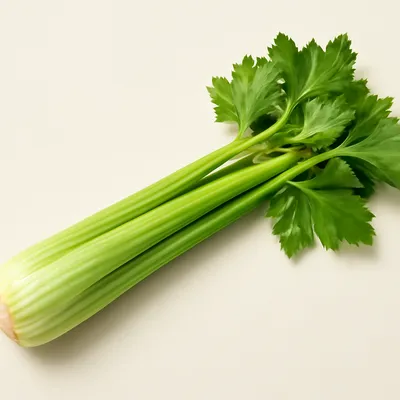
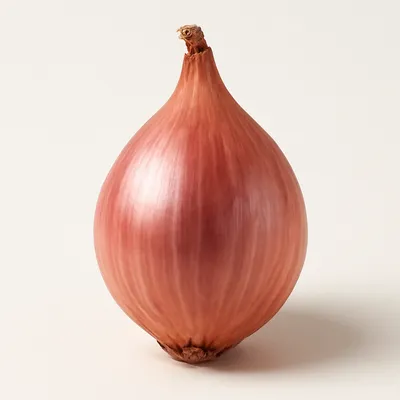
Return tongue to a clean pot with sliced carrot, celery, leek, halved onion, garlic, bay leaves, thyme, and peppercorns; cover with cold water and simmer gently for 3.5 to 4 hours, skimming occasionally.
Watch outSimmer the tongue at a bare tremble 3.5–4 hours until a skewer slides through easily — a hard boil toughens the dense muscle rather than melting it down.
- 315 min
Lift the tongue out; peel off the thick outer skin immediately while still hot; trim any gristle from the root; strain and reserve 500 ml of the cooking bouillon.
Watch outPeel the outer skin off immediately while the tongue is still hot — let it cool and the membrane re-grips and won't come away clean.
- 410 min
Sweat finely diced shallots in butter over medium heat until soft; add quartered mushrooms and sauté until golden-brown.
- 522 min
Stir in flour and tomato paste; cook for 2 minutes; gradually whisk in the reserved bouillon; simmer uncovered for 20 minutes, stirring occasionally.
- 67 min
Pour in the Madeira wine; add a squeeze of lemon juice; season with salt and pepper; simmer 5 more minutes until the sauce coats the back of a spoon.
Watch outSimmer the sauce until it coats the back of a spoon — too thin and it slides off the slices instead of clinging.
- 75 min
Slice the tongue into 1 cm pieces; arrange in a serving dish; ladle the Madeira-mushroom sauce generously over the slices; serve with creamy mashed potatoes.


