A one-pot stew from the Léon country of northern Finistère in Brittany, built like a pot-au-feu: salted pork and beef, with a few sausages or a knuckle, simmered for hours with winter vegetables — carrots, cabbage, turnips, leeks, and onions — in a single broth. What makes it Breton is the farz, a buckwheat-flour pudding bound with egg and milk, tied into a cloth bag and boiled in the same pot alongside the meat. The Breton name means simply "meat and stuffing." Once the bag is lifted out, the dark farz is rolled and crumbled into coarse grains, sometimes called Breton couscous, and the whole thing is served with lipig, a sauce of melted salted butter, shallots, and bacon.




Kig ha farz is the food of inland Brittany's poorer, buckwheat-growing country. Buckwheat is recorded in Breton and Norman texts from the end of the 15th century and spread quickly across Brittany's thin soils, where wheat grew badly; the grain became the staple behind both the crêpe and the farz. The bag-cooked pudding is old: in 1732 the lexicographer Grégoire de Rostrenen defined farz as a "farce cooked in a bag in the pot," and before the Revolution, when bread baking was tied to communal ovens, boiling a flour pudding in the family stewpot was a practical way to make a filling meal. The dish began as little more than buckwheat farz and bacon and grew into the meat-and-vegetable feast it is today as Léon farming improved through the 19th century; it is now the emblematic country dish of northern Finistère.
This is rustic, brothy comfort food, not a refined plate. The meat is meltingly soft from long simmering, the vegetables sweet and yielding, the broth clean and deeply savoury from the salted pork. The buckwheat farz is the heart of it: crumbled into nutty, faintly earthy grains that drink up the broth, dense and satisfying rather than light. The lipig poured over everything brings salt, sweetness from softened shallot, and the smoky note of bacon. A good farz crumbles into distinct grains and tastes of toasted buckwheat; a bad one is gluey and pasty, or so bland it disappears under the meat.
Everything cooks in one pot, so the timing is layered. The salted meats go in first for the long simmer, their collagen melting to gelatin and their salt seasoning the whole broth from within. The farz batter must be tied loosely in its cloth bag: buckwheat has little gluten, so the pudding cannot stretch, and it swells as the starch granules absorb water and gelatinise — too tight a bag and it bursts or cooks to a solid brick, too loose and broth floods in and it never sets. Because it sets into a crumbly, low-gluten mass rather than an elastic dough, it can be rolled in the bag and broken into the characteristic grains. The lipig works by gentle emulsion-free infusion: shallots are sweated in salted butter with bacon so the fat carries their flavour over the bland buckwheat.
Variations
The classic farz is the dark buckwheat one (sometimes called farz du); a milder farz gwenn made with wheat flour is paler, lighter, and favoured by children, and the two are often cooked side by side in separate bags. The crumbled buckwheat version is distinct from farz buan, a quicker pan-cooked Breton buckwheat preparation. Cooks differ on the meats — pork knuckle, salted shoulder, beef shin, and Breton sausages all appear — and a sweet variant turns leftover farz into a dessert with raisins or prunes. The whole dish is the inland cousin of the seaboard's salt-marsh lamb cooking, and a Breton answer to the national pot-au-feu.
On the Palate
Where Kig ha Farz sits in the French flavor cloud
Ingredients
Serves 8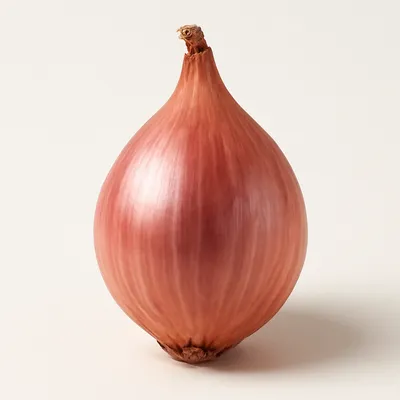

How it's made
8 steps · 40 min
- 110 min
Put the salted pork and beef in a large pot, cover well with cold water, bring to a boil, and skim off the foam.
- 290 min
Add the onions, a bouquet garni, and pepper, lower to a gentle simmer, and cook the meat for about 1.5 hours.
- 38 min
Meanwhile, whisk the buckwheat flour with eggs, milk, melted butter, and a little salt into a thick, smooth batter.
- 45 min
Pour the batter into a clean cloth bag, tie it loosely to leave room for swelling, and lower it into the simmering pot.
Watch outTie the batter bag loosely with room to swell — buckwheat can't stretch, so a tight bag bursts or cooks to a brick, and too loose lets broth flood in and it never sets.
- 590 min
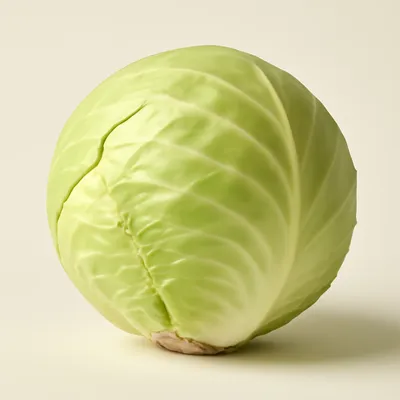
Add the carrots, turnips, leeks, and cabbage around the bag and simmer everything together for about 1.5 hours more.
- 612 min
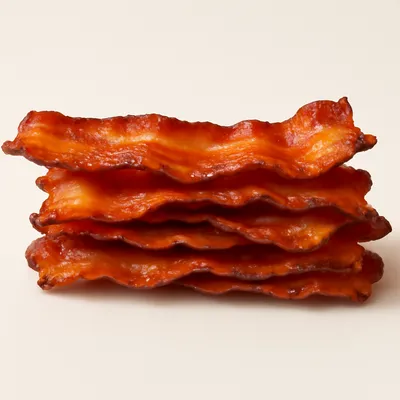
Make the lipig: gently sweat the chopped shallots and diced bacon in plenty of salted butter until soft and golden.
- 75 min
Lift out the farz bag, roll and press it to crumble the pudding into coarse grains, and turn it into a warm dish.
Watch outRoll and press the cooked bag to crumble the farz into coarse grains — set right, it breaks into a crumbly low-gluten mass, not an elastic dough.
- 86 min
Slice the meats and arrange with the vegetables and the crumbled farz; pour the hot lipig over and serve.
Archive tool suggestions — not reviewed
These legacy suggestions have not been evidence-reviewed and are not presented as required tools.