
Shredded boiled bamboo shoots stir-fried with pork belly over a pounded chili-and-shrimp-paste base — a plain, deeply savory Lanna home dish built on the bamboo that grows wild across the Northern hills. 「Khua」 is the Northern word for a low, slow dry stir-fry, and 「noh mai」 is bamboo shoot. The bamboo is boiled first to strip its bitterness, then shredded fine and stir-fried with fatty pork and a chili paste until it drinks up the fat and seasoning. It is everyday food, eaten as a side with sticky rice, not a restaurant showpiece.




Khua noh mai is an undated Lanna everyday dish, rooted in the wild bamboo that has long been a free, seasonal staple of the Northern Thai uplands and the wider mainland-Southeast-Asian hills — bamboo-shoot cookery is shared across the Tai Yai (Shan), Lao, and Northern Thai. There is no origin story to tell beyond the obvious: where bamboo grows thick and meat is dear, you stretch a little pork across a lot of shoot. 「Khua」 names the Northern technique of a low dry-fry that coaxes flavor in slowly, distinct from the fast high-heat 「pad」 of central Thai stir-fries; the dish is one of countless khua preparations in the Lanna repertoire (khua of bamboo, of ferns, of jackfruit), each a vegetable cooked down with pork fat and a pounded chili base.
Soft-tender shredded bamboo with a faint, pleasant grassy bitterness that the boiling has tamed but not erased, slicked with rendered pork-belly fat and studded with bits of meat. The chili-shrimp-paste base gives a low, savory heat and a salty depth of fermented umami that soaks all the way into the fibers. It is humble and homey — not fiery, not perfumed, just deeply savory and built to be shoveled with sticky rice. The bamboo should be tender and clean-tasting; if it is squeaky, rubbery, or sharply bitter, it was under-boiled.
Two steps carry the dish. First, the bamboo must be boiled before it ever sees the wok — fresh bamboo shoot contains cyanogenic compounds and a harsh bitterness, and a hard boil (often in a change or two of water) leaches both out, which is why no Northern cook stir-fries raw shoot. Second is the khua technique itself: the pork belly is rendered first so its fat becomes the cooking medium, the pounded chili-shrimp-paste is fried in that fat until fragrant — 「frying the paste」 blooms the aromatics and cooks the raw edge off the shrimp paste — and only then does the shredded bamboo go in, to be dry-fried slowly so it absorbs fat and seasoning rather than steaming in its own water. Shredding the bamboo fine increases the surface area that drinks up the paste; a coarse cut tastes underseasoned.
Variations
Pork belly is the usual meat, but pork ribs, offal, or a handful of dried fish appear in leaner households. Some cooks finish it with chopped spring onion, holy basil, or kaffir lime leaf; Tai Yai versions may use thua nao (fermented soybean disc) in place of or alongside shrimp paste. A soupier braised cousin, kaeng noh mai, simmers the same boiled bamboo in a thinner broth rather than dry-frying it. Seasonal sweet bamboo needs little boiling; bitter wild shoots need more.
On the Palate
Where Khua Noh Mai sits in the Thai flavor cloud
Ingredients
Serves 4
How it's made
8 steps · 20 min active + 15 min waiting
- 115 min
Boil the fresh bamboo shoots until tender, changing the water once or twice to draw out bitterness, then drain.
Watch outBoil the fresh bamboo thoroughly and change the water once or twice — this leaches out the bitterness and harsh compounds; never stir-fry it raw.
- 24 min
Shred or slice the boiled bamboo into fine strips.
- 34 min
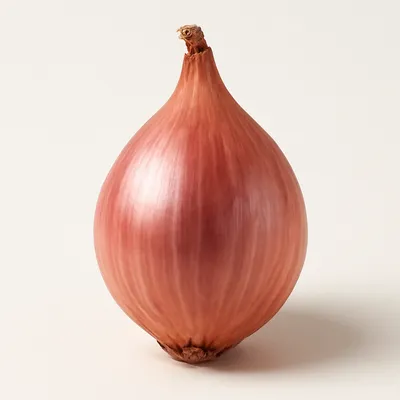
Pound the dried chili, garlic, and shallot with the shrimp paste into a rough paste.
- 45 min
Render the sliced pork belly in a wok over medium heat until its fat runs and the meat colors.
- 53 min
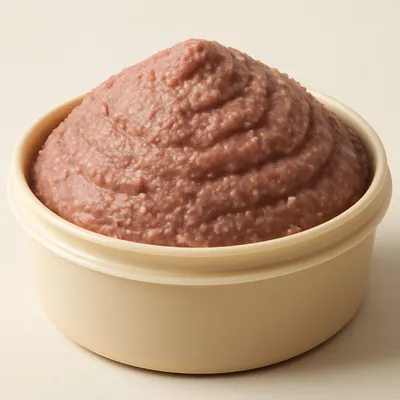
Fry the pounded chili-shrimp paste in the rendered fat until fragrant and the raw edge cooks off.
Watch outFry the pounded paste in the rendered pork fat until it smells cooked-through and fragrant, with the raw shrimp-paste edge gone.
- 66 min
Add the shredded bamboo and dry-fry slowly, stirring, until it absorbs the fat and seasoning.
- 71 min
Season with fish sauce, taste, and finish with spring onion.
- 81 min
Serve as a side with sticky rice.


