Northern Thai salad of crumbled fermented sour pork (naem) tossed with shallot, ginger matchsticks, roasted peanut, and torn kaffir lime leaf — naem provides the load-bearing sour.
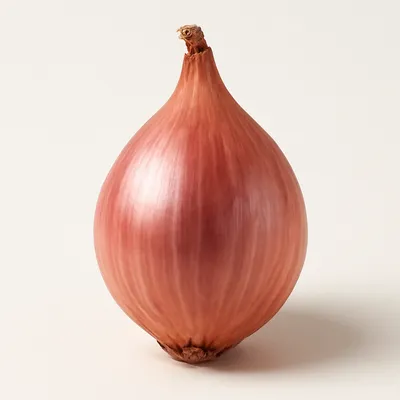

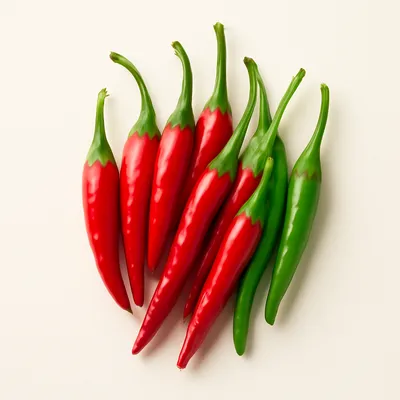


Naem itself is a Thai-Lao fermented pork sausage (minced pork, pork skin, garlic, salt, cooked rice — wrapped in banana leaf and held 2-4 days). Yam naem khlik (the salad form, with khlik meaning loose/crumbled) is a Lanna household preparation: naem that has reached peak sourness gets eaten as-is or tossed loose with aromatics rather than grilled. The dish appears across northern Thailand and the Shan/Tai Lue diaspora into Laos and Yunnan, with each kitchen adjusting the herb mix.
Lanna household salad of crumbled-loose naem (Thai-Lao fermented pork sausage held 2-4 days). No added sour at all — no lime, no tamarind, no vinegar. All the acidity comes from lactic fermentation in the sausage itself.
Sour hits first — naem's fermented tang, sharper than vinegar but less linear, with the dairy-tinged depth of three days of lactic bacteria working through pork. Ginger matchsticks crackle between teeth; peanut adds toasty body; kaffir lime leaf perfumes the finish. Pinched onto sticky rice it becomes lunch. If the sour is faint, the naem is under-fermented; if there's a barnyard funk, it's gone too long.
The salad has no added sour — no lime, no tamarind, no vinegar. All acidity comes from the naem's lactic fermentation, which means the cook is essentially staging the sausage at peak. Adding lime would mask the lactic note (round vs sharp); fish sauce works because the umami glutamate amplifies fermentation flavor without competing on the acid axis. The kaffir lime leaf is for aroma, not sour — its citrus oil reads at the nose, not the tongue.
Variations
Chiang Mai's Huen Muan Jai serves the canonical 3-day-fermented version; Phrae and Nan push to 4 days for sharper sour; the Lao-side variant adds toasted rice powder; Yunnan Tai Lue cousins wrap the sausage in betel leaf instead of crumbling it.
On the Palate
Where Yam Naem Khlik sits in the Thai flavor cloud
Ingredients
Serves 4
How it's made
5 steps · 12 min active + 3 min waiting
- 13 min
Unwrap 250g naem (3-day fermented sour pork). Crumble into a wide bowl — should smell sharply lactic, like sauerkraut and pork combined. If it's slimy or grey, throw it out.
Watch outCrumble the naem and smell it — it should hit sharply sour like sauerkraut and pork; if it's slimy or gone grey, throw it out, that's the one thing that wrecks this dish.
- 25 min
Slice 5 shallots paper-thin lengthwise. Cut a 4cm knob of fresh ginger into matchsticks. Slice 3 bird's eye chiles into thin rounds. Tear 6 kaffir lime leaves (bai makrut) into ribbons, removing the central rib.
- 34 min
Toast 60g raw peanuts in a dry pan over medium heat 4 minutes until skins darken and a few split. Cool, then crush coarsely under a heavy bowl.
Watch outToast the peanuts just till the skins darken and a few split — pull them right then; any further and they scorch bitter and drown out the sausage's clean sour note.
- 42 min
In the bowl with the naem, add shallot, ginger, chile, lime leaf, peanut, 1 tbsp nam pla (fish sauce), 1 tsp sugar. No lime juice — naem already brings the sour. Toss gently with hands.
- 51 min
Taste. Should be sour-forward, then salty, then heat from chile, with peanut crunch and lime leaf perfume on top. Adjust fish sauce by drops, never lime. Serve at room temperature with sticky rice.
Archive tool suggestions — not reviewed
These legacy suggestions have not been evidence-reviewed and are not presented as required tools.