Beef Rendang is a slow-cooked, caramelized dry curry where tender beef is enveloped in a lush, fragrant paste of coconut milk, lemongrass, and spices.




From the Minangkabau highlands of West Sumatra, Indonesia. The word 'rendang' (Minangkabau 'randang') was originally not the name of a dish but a cooking technique — to slowly simmer coconut milk with constant stirring until the liquid evaporates and the dish dries out. One of its earliest written records appears in the 16th-century Malay literary work Hikayat Amir Hamzah. It became a preservation method tied to Minangkabau society: in the matrilineal Minangkabau culture, ancestral property passes to women, so young men were expected to leave home (merantau) to seek a living elsewhere, and fully-dried rendang — which keeps for three to four weeks at room temperature — made an ideal travel ration. In Minangkabau tradition it is also a ceremonial dish served to honor guests at weddings, funerals and Eid; in the cooking, the long cook takes the dish from a wet curry (kalio) through to dry rendang. Both Indonesia and Malaysia claim rendang as a national dish: its origin is undisputedly Minangkabau West Sumatra, spread by Minang migrants into peninsular Malaysia (Negeri Sembilan is a center of Minang descendants), though Malaysia registered it as a trademark first.
Minangkabau highland origin, West Sumatra, at least 16th century — built as a preservation method before refrigeration. Defined by a phase change: 3-6 hours of cooking takes it from wet curry through kalio to fully dry, when the coconut milk's fat splits and the beef braises in its own coconut oil. Stop early and you have kalio, not rendang.
Dark mahogany shreds of beef, almost dry, glistening with coconut oil that has split out of the curry. No sauce in the bowl — the spice paste has reduced into a coating. Lemongrass, galangal, kaffir lime leaf, and toasted coconut (kerisik) read in layers; the chili heat is slow, not sharp. Served at room temperature with rice or lemang.
Rendang is defined by a phase change. The cook starts as a wet curry; over 3–6 hours the water boils off, the coconut milk's fat splits, and what's left is beef braising in its own coconut oil — that's why authentic rendang fries itself dry at the end. Stop too early and you have kalio (a different dish). The kerisik (toasted, pounded coconut) goes in late and is what gives the deep brown color and nutty floor.
Variations
Padang rendang daging (the Minangkabau benchmark, near-black, days-stable); Negeri Sembilan rendang (Malaysian, lighter color, more turmeric); rendang ayam (chicken, cooked shorter so it stays moist); rendang itik (duck, Kelantan specialty).
On the Palate
Where Beef Rendang sits in the Malaysian flavor cloud
Ingredients






How it's made
5 steps · 4 hours
- 136 min
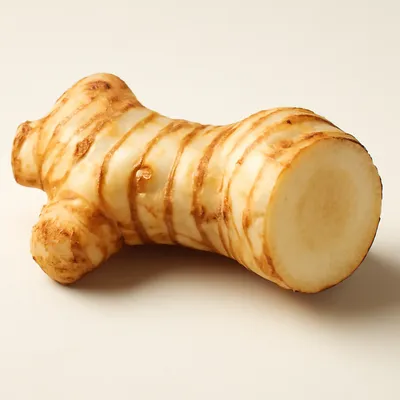
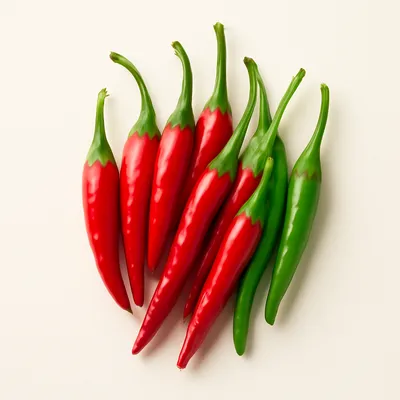
Blend shallots, garlic, turmeric, galangal, and bird's eye chili into a paste.
- 2109 min
In a pot, mix the paste with coconut milk and lemongrass, and bring to a simmer.
- 336 min
Add beef chunks and kaffir lime leaves; cook slowly until the meat is tender.
Watch outKeep it at a bare simmer and stir now and then — a hard boil toughens the beef before it ever gets tender.
- 422 min
Stir in toasted coconut and tamarind, allowing the mixture to thicken.
- 536 min
Continue to cook until the liquid evaporates and the beef is coated in a dark, caramelized sauce.
Watch outCook it past sauce-stage until the coconut oil splits out and the meat fries itself dark and dry — stop while it's still soupy and it's kalio, not rendang.
Archive tool suggestions — not reviewed
These legacy suggestions have not been evidence-reviewed and are not presented as required tools.