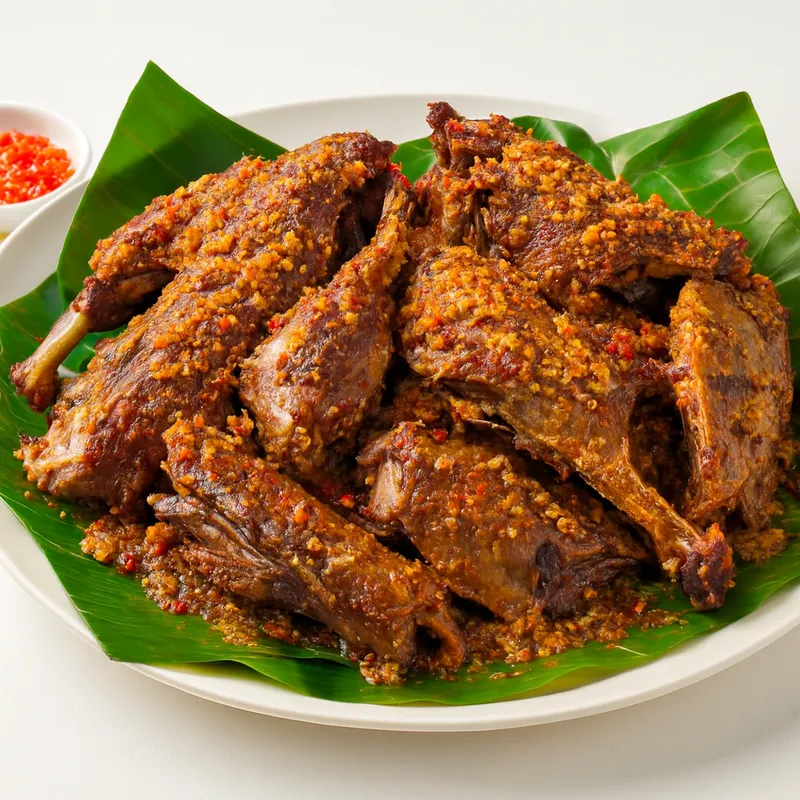
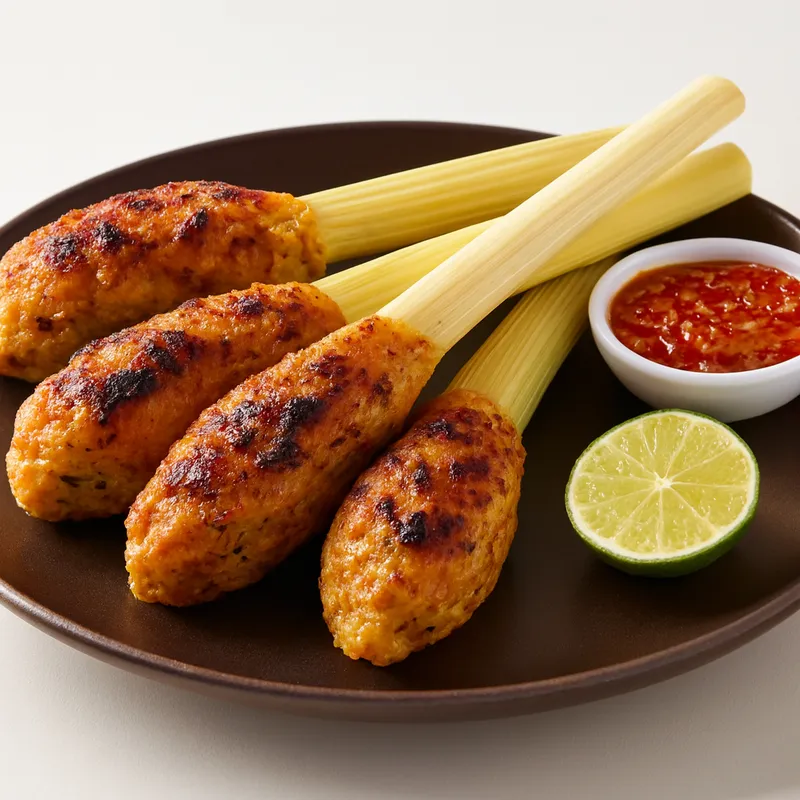
Babi guling is the ceremonial centerpiece of Hindu Bali — present at temple festivals (odalan), weddings, and tooth-filing ceremonies for centuries. Bali kept its pig culture while the rest of Indonesia turned Muslim from the 13th century onward, making the dish a marker of Balinese religious identity. Ibu Oka in Ubud, opening in the 1970s, made it tourist-famous; the village version predates her by lifetimes.
The ceremonial Hindu-Bali centerpiece, present at temple odalan and weddings for centuries — Bali kept its pig culture while the rest of the archipelago turned Muslim from the 13th century on. Basa gede goes inside the cavity, not on the skin; flavor cooks outward. Skin is rubbed with coconut water and salt, then turned over wood embers for 4-6 hours.
A whole suckling pig, skin lacquered crimson and shatter-crisp, the cavity packed with the spice paste and chopped cassava leaves — turmeric, lemongrass, galangal, garlic, shallot, kaffir lime leaf, chili. Carved at the table or warung counter, served with rice, lawar, blood sausage, and crackling. The skin should crack audibly under the cleaver; the meat tastes of the spice paste from the inside out.
The basa gede / base genep ("complete" spice paste) is rubbed into the cavity, not the skin — flavor cooks through from inside. Skin is rubbed with coconut water and salt, then the pig is rotated over wood embers for 4–6 hours, basted with coconut water repeatedly. The water on the skin steams off and pulls fat with it; that's how the surface becomes thin and glassy rather than chewy.
Variations
Ibu Oka in Ubud (1970s, the tourist landmark); Pak Malen in Sunset Road (Denpasar local favorite); Gianyar morning-market version sold by 9am; the Lombok pork-free islands have no equivalent — this is specifically Bali.
On the Palate
Where Babi Guling sits in the Indonesian flavor cloud
Rub the spice paste inside the cavity, not on the skin — flavor cooks through from within, while the skin stays coated only in coconut water and salt so it can crisp glassy-thin.
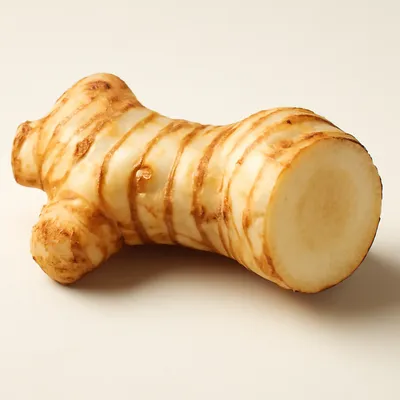
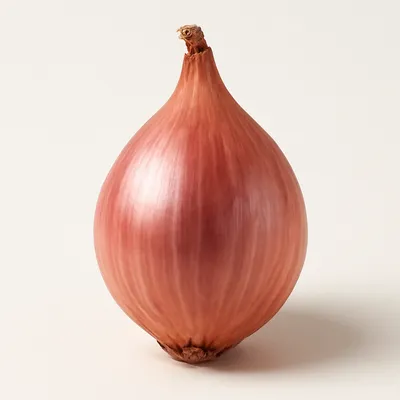
Ingredients





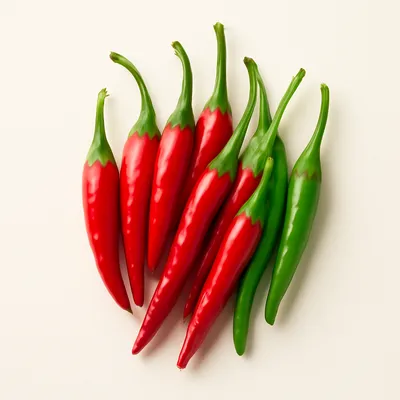

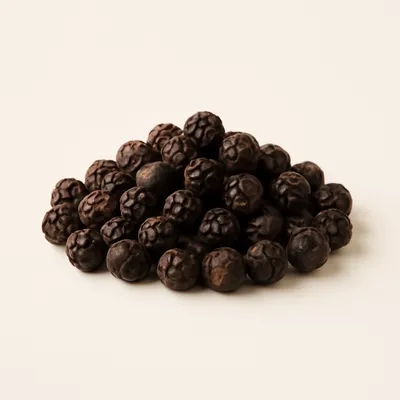

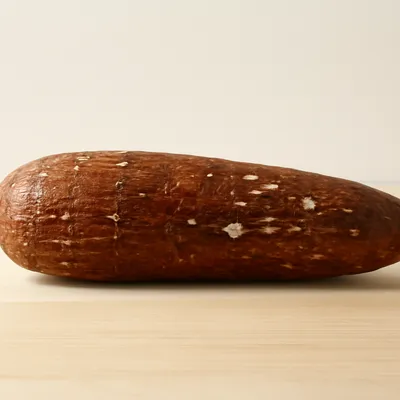

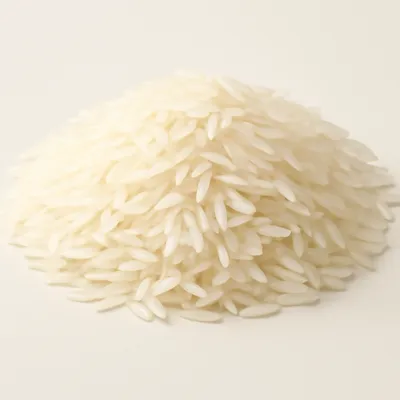






How it's made
6 steps · 8 hours
- 122 min
Prepare a bumbu of turmeric, galangal, ginger, garlic, shallot, lemongrass, bird's eye chili, coriander seed, black pepper, and salt.
Watch outGrind the aromatics to a smooth, fragrant paste — no dry lumps, or the flavor won't carry evenly through the meat.
- 255 min
Stuff the cleaned suckling pig with the spice mixture and cassava leaves.
- 355 min
Securely sew or skewer the opening to prevent the filling from falling out.
- 4273 min
Roast the pig traditionally on a spit over an open flame, basting frequently with coconut oil.
Watch outKeep it turning steadily over embers, not open flame; baste often so the skin dries and tautens, never scorches.
- 555 min
Cook until the skin is golden and crisp, and the meat is cooked through.
Watch outDone when the skin taps hollow and crisp and the juices near the thigh bone run clear.
- 622 min
Serve with steamed rice and a side of lalapan.
Archive tool suggestions — not reviewed
These legacy suggestions have not been evidence-reviewed and are not presented as required tools.
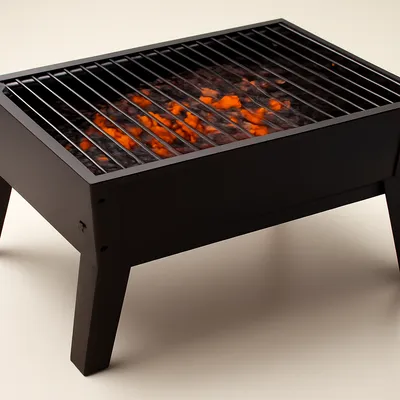
An open or hooded metal frame holding a bed of glowing charcoal embers, with a grate above. Charcoal burns at 700°C+ on the surface and emits short-wave infrared, which cooks proteins faster and with deeper Maillard browning than gas. Hardwood lump charcoal (oak, mesquite, fruitwood) lends its own smoke; cheap briquettes do not. Mastery is mostly heat zoning — direct over coals for searing, indirect off-coals for slow-roasting.

A heavy rectangular Chinese knife — the cai dao — with a flat 18-22 cm blade about 2 mm thick. The single tool handles every kitchen job: julienning ginger, splitting whole chickens, smashing garlic with the side of the blade, scooping diced onions on the broad face. The flat profile means knife-skill in Chinese kitchens is fundamentally different from Western technique — you push-cut and rock-cut, never slice through.