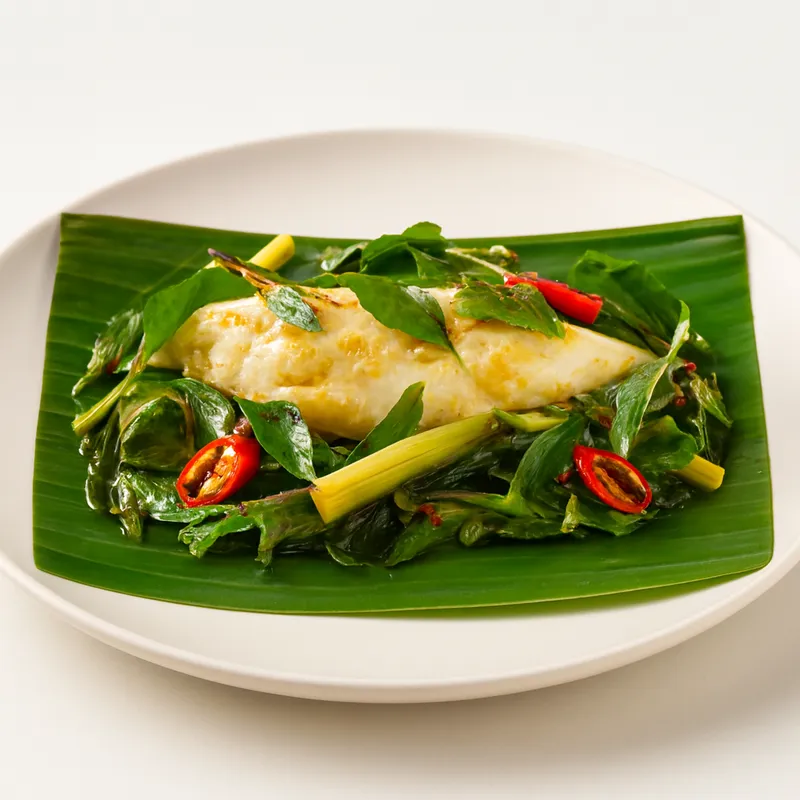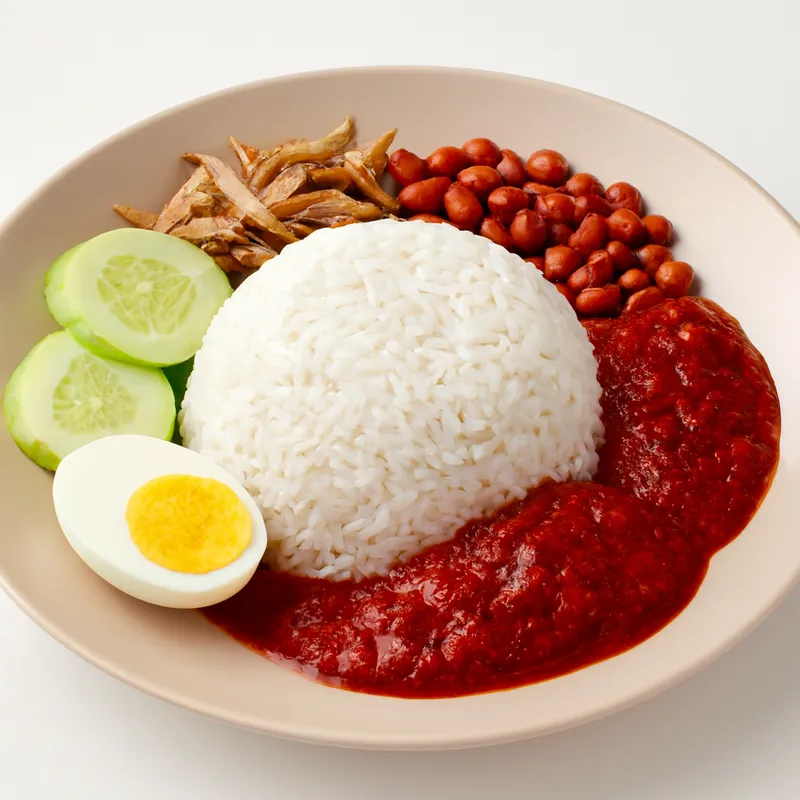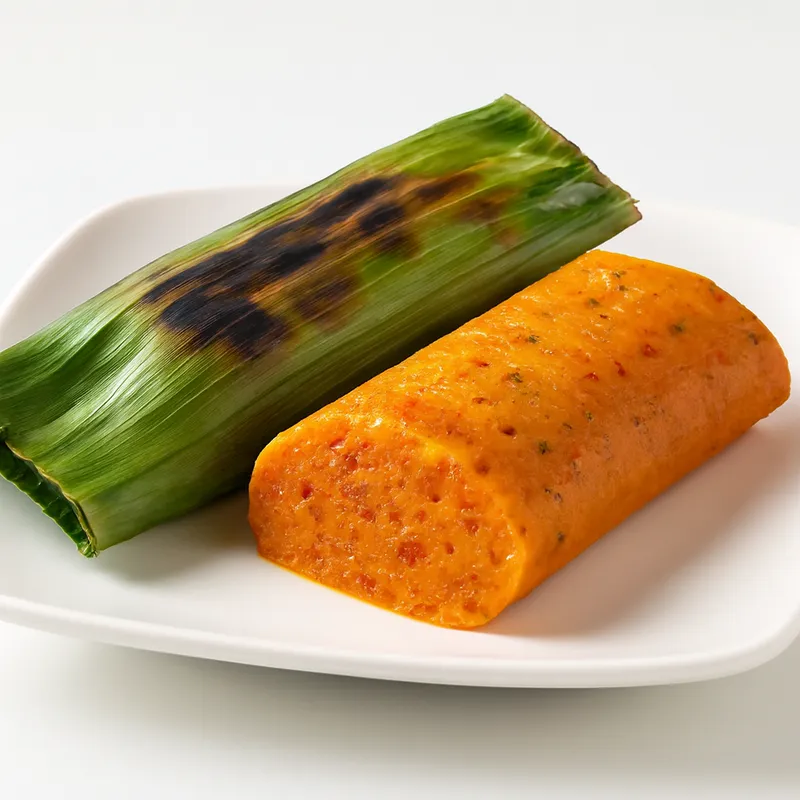
Otak-Otak is a fragrant fish custard seasoned with aromatic spices, wrapped in banana leaves and grilled to perfection.



The dish traces to Palembang in Sumatra, Indonesia, where ground fish bound with tapioca starch, sambal and coconut milk is wrapped in banana leaf into long parcels and charcoal-grilled — greyish and soft, named for its resemblance to brain matter (Malay otak = brain), then carried across the region by trade and migration. Malaysia's famous Muar otak-otak has its own local story: before WWII, Teochew Chinese fishmongers in Muar, Johor used up unsold mixed catch by grinding it with the Nyonya spice repertoire — turmeric, curry powder, chili, coconut milk — wrapping it in attap (nipah palm) leaf and grilling it over charcoal to hawk from a basket; Malays took up the trade after the Chinese made it famous, and it became the mainland-Singapore mainstream. At root this is Southeast Asian fishing-village cooking — mackerel scraps too small to fillet were the original raw material — documented in the region for at least 200 years and likely older.
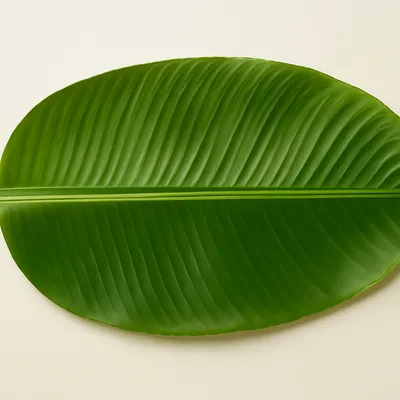
Banana-leaf grilled fish paste from the Straits — Muar in Johor, Penang, and Singapore each claim a regional version. The leaf is a steaming chamber as much as a wrapper: it holds juices in while the outside chars, and its waxy surface gives the paste a green-tea bitter edge that balances the coconut. Mackerel scraps too small to fillet were the original raw material.
A small banana-leaf parcel, charred along the edges, that opens to reveal a soft pink-orange fish paste flecked with lemongrass and chili. The texture is between custard and pâté — not bouncy like fishball, not loose like mousse. Smells of grilled banana leaf first, then coconut, then chili. Eat with fingers, straight off the leaf.
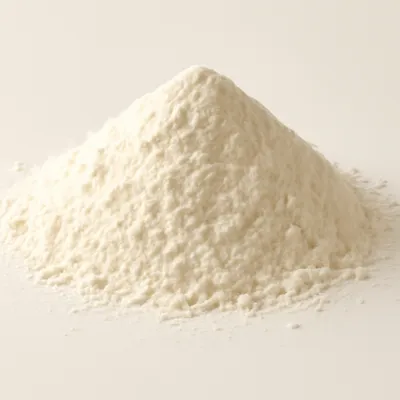
Two regional schools: the Nyonya/Singapore version is wetter, redder, heavy on chili-rempah and coconut milk, grilled flat; the Muar/Johor version is paler, firmer, wrapped in a long thin parcel and almost custard-set. The bind comes from rice flour or tapioca starch plus the natural myosin released by salt — over-blending makes it rubbery. The leaf isn't just packaging: its waxy surface chars and lends the paste a green-tea bitter edge that balances the coconut sweetness. The leaf itself varies by region — banana leaf in Palembang and Penang, but the Malaysian mainland tradition (Muar, Johor) favors attap (nipah palm) leaf.
Variations
Muar otak-otak (Johor, paler, firmer, custard-set, long thin parcel wrapped in attap/nipah-palm leaf and charcoal-grilled); Singapore-Nyonya version (wetter, redder, chili-heavy, grilled flat); Penang Nyonya otak-otak (steamed not grilled, wrapped in banana leaf into a rice-dumpling shape, looser texture); Palembang pempek (Indonesian cousin, fried rather than grilled).
On the Palate
Where Otak-Otak sits in the Malaysian flavor cloud
Ingredients



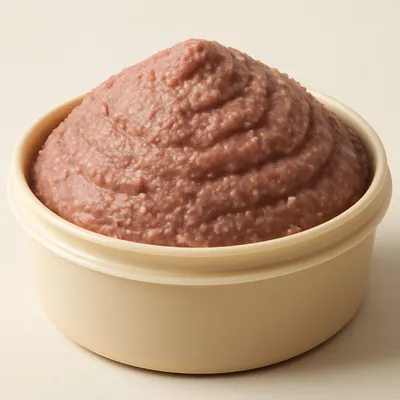


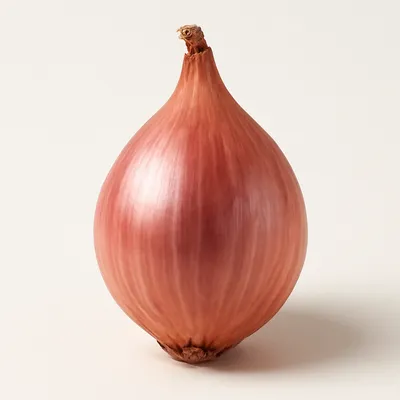


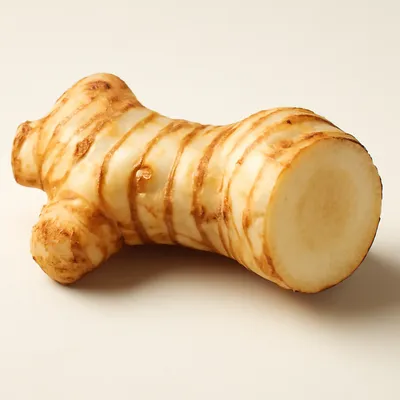

How it's made
5 steps · 1 hour 30 min
- 120 min
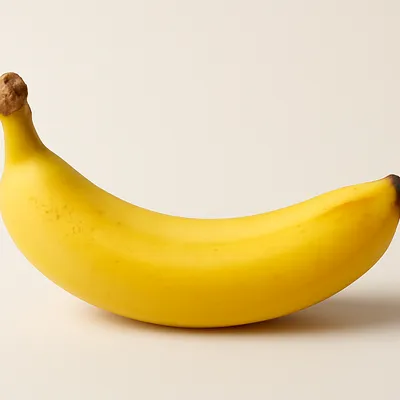
Blend white fish with coconut milk, lemongrass, shallots, and spices into a smooth paste.
Watch outStop blending the moment the paste turns smooth and tacky and clings to the spoon.
- 212 min
Beat in egg to create a custard-like consistency.
Watch outAfter the egg goes in the mix should be loose and custard-like, pourable but not runny.
- 320 min
Spoon the mixture onto banana leaves and fold securely.
- 431 min
Grill the parcels over medium heat until aromatic and firm.
Watch outThe parcel is done when it feels firm and springy through the leaf and smells strongly aromatic.
- 58 min
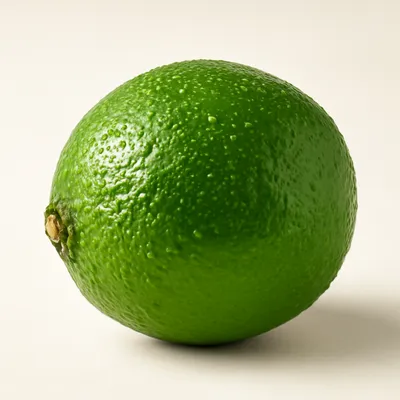
Serve hot with a squeeze of lime.
Archive tool suggestions — not reviewed
These legacy suggestions have not been evidence-reviewed and are not presented as required tools.
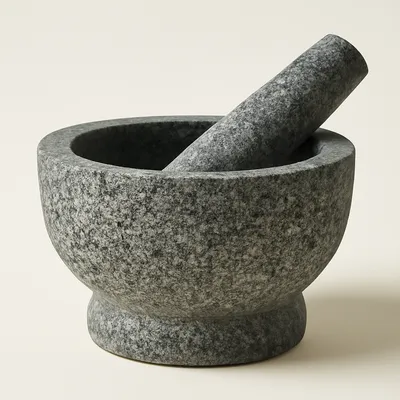
The simplest tool in any kitchen: a heavy bowl and a club to bash things in it. Different cuisines use different stones — Thai cooks pound green papaya in a tall granite mortar (krok hin); pesto Genovese requires the soft-pored Carrara marble; Indian masalas grind down on rough basalt. The bash-don't-cut motion releases volatile oils that a blade keeps sealed in the cell wall.
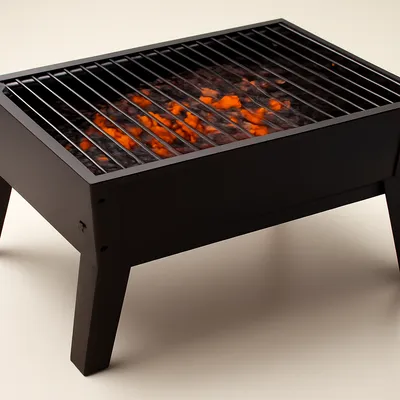
An open or hooded metal frame holding a bed of glowing charcoal embers, with a grate above. Charcoal burns at 700°C+ on the surface and emits short-wave infrared, which cooks proteins faster and with deeper Maillard browning than gas. Hardwood lump charcoal (oak, mesquite, fruitwood) lends its own smoke; cheap briquettes do not. Mastery is mostly heat zoning — direct over coals for searing, indirect off-coals for slow-roasting.