Curry Laksa is a rich, spicy coconut milk soup brimming with yellow noodles, prawns, and chicken, finished with a tangy squeeze of lime and a dollop of sambal belacan.
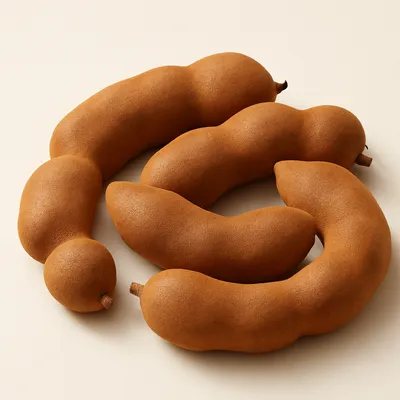
A Peranakan (Nyonya) creation from the Straits Settlements — Penang, Malacca, Singapore — dating to the 19th century, where Chinese settler men married local Malay women and the resulting kitchen blended Chinese noodles with Malay rempah (spice paste) and coconut milk. The name "laksa" is unsettled: Chinese- and Malay-language sources most often trace it to Sanskrit lakṣa, meaning "a hundred thousand / very many" (i.e. abundantly garnished); an Anglophone theory instead derives it from a Persian/Hindi cognate meaning "slippery noodle," but that reading is weakly supported. Curry laksa is the southern, coconut-rich branch (also called laksa lemak); the northern Penang version (asam laksa) is tamarind-sour and freshwater-fish-based — an entirely different soup.
Peranakan creation from the 19th-century Straits Settlements — Chinese settler men, Malay wives, the kitchen blended Chinese noodles with Malay rempah and coconut milk. The rempah must be fried until oil splits and the kitchen smells toasted, not raw — coconut milk goes in only after. Reverse the order and the soup tastes chalky.
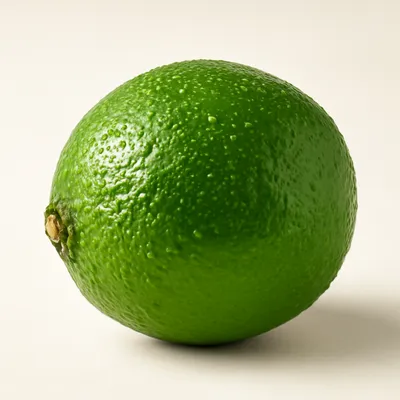
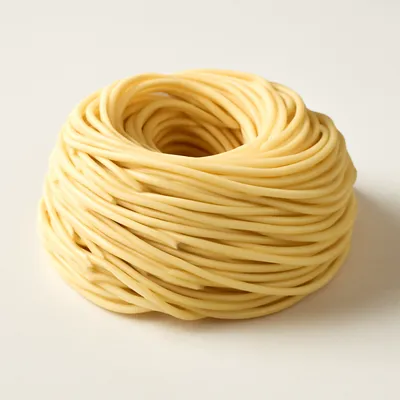
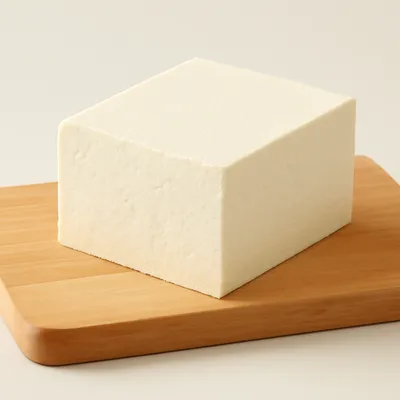
Orange-red coconut soup, oil pooling on top in a thin red layer, yellow wheat noodles plus rice vermicelli twisted together at the bottom. Prawns, shredded chicken, fried tofu puffs that have soaked up broth, bean sprouts, a wedge of lime, a spoon of dark sambal belacan to stir in. The first sip should taste of dried shrimp and toasted spice paste, not just coconut sweetness.
The rempah is the load-bearing piece — dried chili, shallot, garlic, lemongrass, galangal, candlenut, turmeric, dried shrimp, and belacan, pounded then fried in oil until the paste "breaks" (oil separates and the kitchen smells toasted, not raw). Coconut milk goes in only after the rempah is fried; reverse the order and the soup tastes flat and chalky. Tofu puffs (taupok) act as sponges and must be squeezed before going in.
Variations
KL curry laksa (yellow noodles plus rice vermicelli, prawn-led); Penang curry mee (the same coconut-curry bowl, renamed because in Penang "laksa" means asam laksa — lighter, more coconut-forward, and in Chinese stalls often topped with cockles and cubes of pig's blood, sometimes pork skin, roast pork or char siu; a "white" curry mee skips the curry powder for a milky coconut broth with sambal served on the side); Singapore Katong laksa (thick rice noodles cut short, eaten with a spoon only, no chopsticks, topped with cockles, prawns and fish cake); Sarawak laksa (Bornean, built on a sambal-belacan-and-prawn-shell base with local aromatics, not curry, with coconut milk only stirred in at the end).
On the Palate
Where Curry Laksa sits in the Malaysian flavor cloud
Ingredients





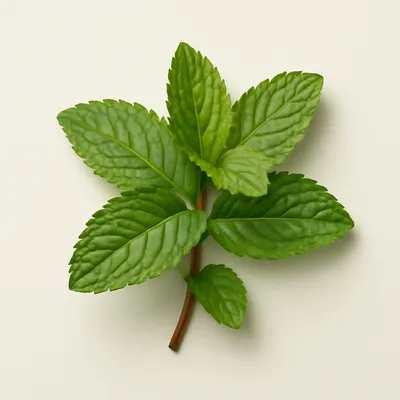


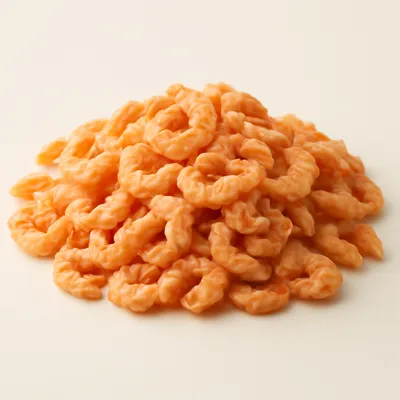

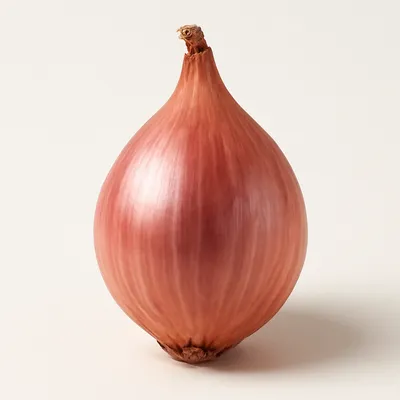


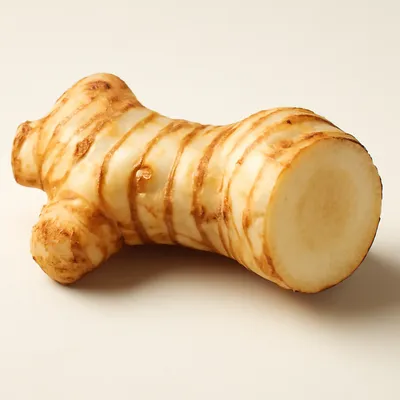


How it's made
5 steps · 1 hour 30 min
- 121 min
Prepare curry paste by blending spices, then fry until fragrant.
Watch outFry the rempah until the oil weeps out and it smells toasted, not raw — that oil slick on top means it's 'broken' and ready for the milk.
- 239 min
Pour in coconut milk and bring to a simmer.
Watch outAdd coconut milk only after the paste is fried and keep it at a bare simmer — a hard boil breaks the milk into oil and grit.
- 313 min
Add chicken pieces and prawns, cooking until just done.
- 413 min
In another pot, cook yellow noodles and rice vermicelli until al dente.
Watch outPull the noodles at al dente — they keep softening once the hot soup hits them in the bowl.
- 55 min
Serve noodles in bowls, ladle over the curry soup, and garnish with tofu puffs, bean sprouts, mint, and lime.
Archive tool suggestions — not reviewed
These legacy suggestions have not been evidence-reviewed and are not presented as required tools.