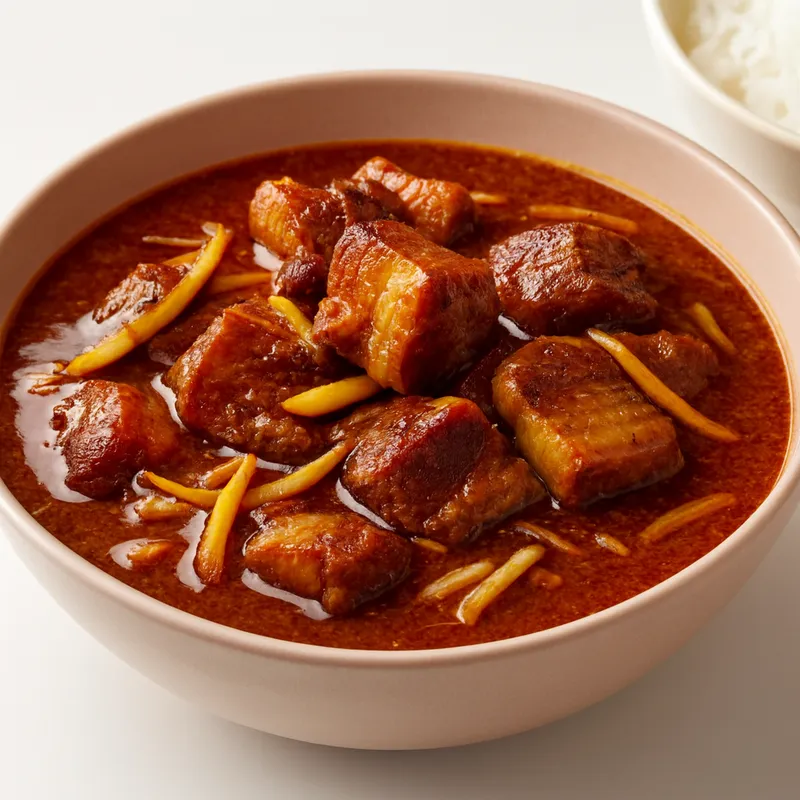
Old-style Bangkok shophouse coffee — dark-roasted robusta blended with sesame, soybean, and corn — brewed through a cloth sock filter and served over crushed ice with sweetened condensed and evaporated milk.


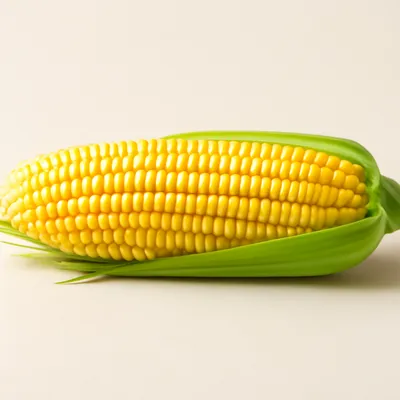


Kafae boran came out of mid-20th-century Bangkok kopitiam culture — Teochew-Chinese-run shophouse coffee shops where coffee was brewed in a long cloth sock and stretched with cheaper roasted grains (corn, soybean, sesame) to bring the price down. The style spread through Thailand's railway-station and bus-station tea-coffee stalls and is still served at provincial markets and old-school Bangkok cafés. The thung tom kafae sock is the visual marker — a coffee-stained cloth tube hanging over a metal pot is how you spot a real kafae boran stand.
Mid-20th-century Bangkok kopitiam coffee — Hokkien-Chinese shophouses brewed cheap robusta in long cloth socks (thung tom kafae) and stretched it with roasted corn, soybean, and sesame to bring price down. The grains aren't filler; they mask robusta's harsh edge and add caramelised sugars.
Dark, almost black down the side of the glass, with pale streaks of evaporated milk feathering down through it. The first sip is intensely sweet — Thai shophouse coffee is built on condensed milk, not coffee — then the bitter robusta hits the back of the tongue, with toasted sesame and corn underneath as a faintly nutty back-round. It's a coffee made for hot weather and cheap calories, not for tasting notes. A weak version is just sweet milk; a properly built one tastes of burnt grain and is almost chewy.
The non-coffee grains aren't filler in the negative sense — they're functional. Roasted sesame and soybean lend body and a faint nuttiness that masks the harsh edge of cheap robusta; roasted corn adds caramelized sugars that boost perceived sweetness without more sugar. The cloth sock brews differently from paper or metal: it lets through more oils and fines than paper but holds back grit, giving a thicker mouthfeel. Stretch the same blend through a paper filter and it tastes thin and one-dimensional.
Variations
Kafae boran ron (hot, in a glass with condensed milk); kafae yen (iced); o-liang (black, no milk, with sugar); ChaTraMue's commercial version since 1945; surviving sock-brew stands at Talat Phlu and Charoen Krung markets are the most-cited holdouts.
On the Palate
Where Kafae Boran sits in the Thai flavor cloud
Ingredients
Serves 4
How it's made
5 steps · 10 min active + 5 min waiting
- 13 min
Combine 60g coarsely ground dark-roast robusta coffee with 1 tablespoon ground roasted sesame seeds, 1 tablespoon ground roasted soybean, and 1 teaspoon ground roasted corn — the kafae boran blend. Stir in a small bowl.
- 23 min
Bring 800ml water to a rolling boil and turn off the heat for 20 seconds — water should be 95°C, not boiling. Drop the coffee blend into a long cotton sock filter (the tradtional thung tom kafae) suspended over a tall enamel pot.
Watch outLet the boil settle for 20 seconds before pouring — water just off the rolling boil, around 95°C, pulls the roast without scorching it bitter.
- 34 min
Pour the hot water through the sock in a slow steady stream, returning the brew through the grounds twice for full extraction. The liquor should be near-black and slightly viscous. Keep warm in the pot.
Watch outReturn the brew through the grounds twice until it runs near-black and slightly syrupy off the spoon — that thickness means the sock has given up its oils.
- 43 min
Spoon 2 tablespoons sweetened condensed milk into each of 4 short heavy glasses. Pour the hot coffee directly onto the milk to about three-quarters full; stir well. Top each with 1 tablespoon evaporated milk.
- 52 min
Pack tall glasses with crushed ice; pour the warm sweetened coffee over the ice, stirring once, then top with another splash of evaporated milk so it streaks pale through the dark. Serve with a long spoon and a straw.
Watch outPour the warm coffee over packed ice and stir just once — you want the evaporated milk to streak pale through the dark, not blend in.