A Palembang fish-ball soup from the same fish-and-sago paste as pempek, pinched into small irregular dumplings and dropped into a clear, sweet prawn broth. The bowl is built up with sliced jicama (bengkuang), softened wood-ear mushroom, dried golden-needle lily buds, and glass noodles, then finished with celery leaf, scallion, and fried shallots. Often called Palembang's answer to bakso, it is lighter and more aromatic than a meatball soup, the broth carrying the deep-sea sweetness of prawn shells. A squeeze of lime and a spoon of sambal sharpen it to taste.

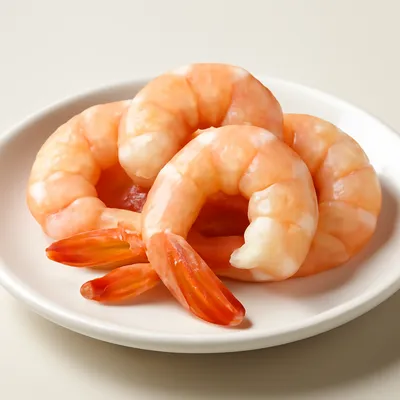




Tekwan belongs to Palembang in South Sumatra, the city on the Musi River whose kitchens turned river fish and prawns into a whole family of paste dishes — pempek, model, laksan, celimpungan, and tekwan among them. The technique of binding deboned fish with starch is widely understood as a local adaptation of the East Asian surimi-and-fishball tradition carried south by Chinese settlers, reworked with sago and tapioca and the region's prawns. No single founding date or inventor is recorded; it is a household and street dish, sold by vendors across the city and eaten through the day.
The fish balls are springy and a touch chewy, mild and clean-tasting, soaking up the broth they sit in. The soup itself is the surprise — pale and almost delicate, yet packed with prawn sweetness from the shells. Jicama gives little cool, crisp, juicy bites against the soft dumplings; wood-ear adds a slippery snap; the lily buds a faint floral tang. Glass noodles slide through it all, and the fried shallots drop a layer of toasty fragrance across the top.
Two things make tekwan work. First the paste: sago or tapioca starch gelatinizes around the fish protein as the dumplings poach, knitting into the springy, slightly elastic network that gives the fish balls their bite — the same chemistry behind pempek, but pinched small so they cook through fast. They are dropped into simmering water and are done the moment they float. Second the broth: prawn heads and shells are sauteed and simmered to draw out their sweet, briny flavor and the orange fat under the shell, building a clear stock that stays light rather than muddy. The jicama, wood-ear, and lily buds go in late so they keep their texture, and the glass noodles only need a brief soak in the hot broth.
Variations
Some cooks fry the fish balls first for a chewier, more savory bite before adding them to the soup. Tekwan iwak is the fish-ball version; vendors may stretch the bowl with more glass noodles, or add fish-skin pieces. It shares its broth and garnishes with model, the difference being that tekwan's paste is plain fish and not stuffed with tofu, and is poached rather than deep-fried.
On the Palate
Where Tekwan sits in the Indonesian flavor cloud
Ingredients
Serves 4
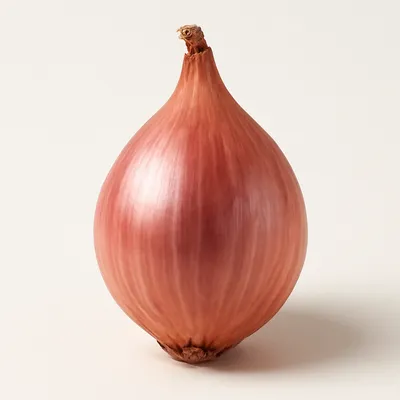

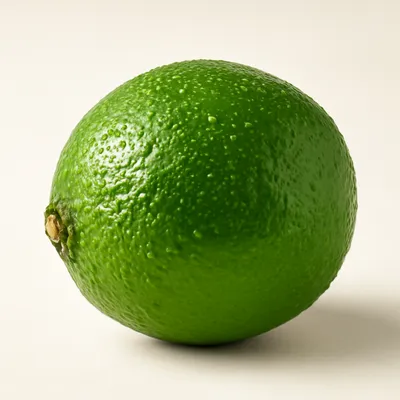
How it's made
8 steps · 45 min active + 30 min waiting
- 130 min
Make the prawn stock: peel a batch of prawns and reserve the heads and shells. Saute the heads and shells in a little oil, pressing to release the orange fat, then add water and simmer 25-30 minutes; strain.
Watch outPress the prawn heads and shells hard as they saute to squeeze out the orange fat — that fat and the long simmer are what give the broth its sweet, briny depth.
- 215 min
Soak the wood-ear mushroom, dried golden-needle lily buds, and glass noodles separately in warm water until softened; drain.
- 310 min
Make the fish paste: blend deboned mackerel until smooth with a little ice water and salt, then work in sago/tapioca starch until you have a soft, sticky dough.
- 412 min
Bring a pot of water to a gentle simmer. Pinch off small irregular pieces of paste with wet fingers or a spoon and drop them in; they are done when they float.
Watch outDrop the fish paste into gently simmering water and lift each piece the moment it floats — that float is the doneness signal; a hard boil breaks them up.
- 55 min
Season the strained prawn stock with crushed garlic, white pepper, salt, and a little sugar; bring back to a simmer.
- 65 min
Add the jicama, wood-ear, and lily buds to the broth and simmer a few minutes until just tender.
- 73 min
Divide the glass noodles and poached fish balls among bowls and ladle over the hot broth and vegetables.
- 82 min
Top with chopped celery leaf, scallion, and fried shallots; serve with lime wedges and sambal on the side.
Archive tool suggestions — not reviewed
These legacy suggestions have not been evidence-reviewed and are not presented as required tools.



