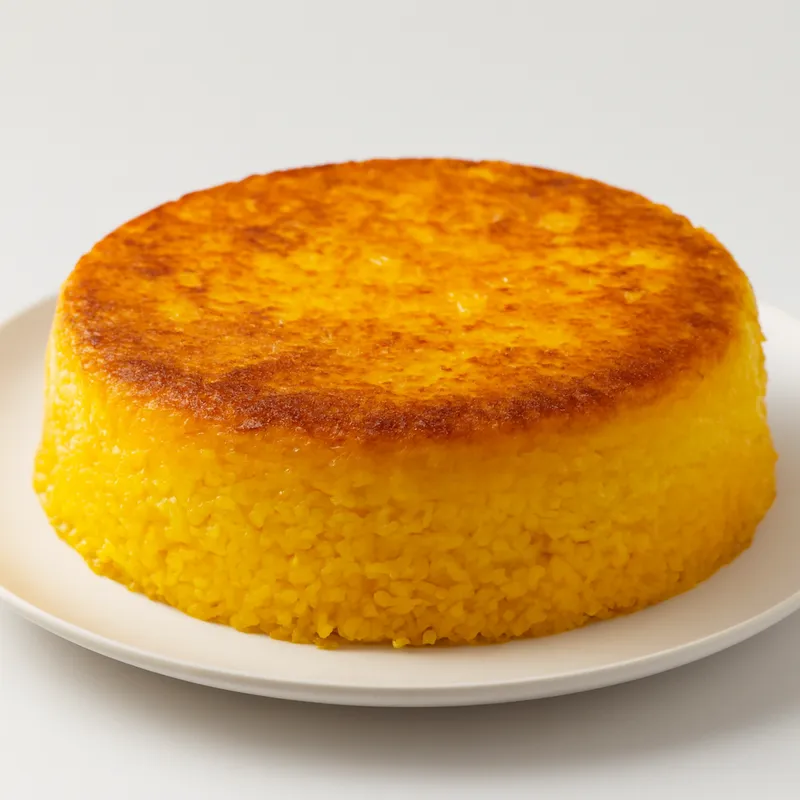
A labor-intensive sweet from Rasht in Gilan, built from a thin rice-flour batter piped into a fine lattice and fried, then folded around a filling of ground walnuts, cinnamon, and cardamom and glossed with syrup. The result is a crisp, open web of golden threads enclosing a fragrant nut paste. It is festival and gift food, especially associated with Nowruz and weddings, and is regarded as one of the most distinctive sweets of the Caspian region.
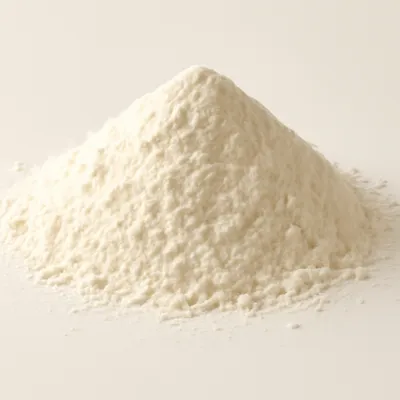


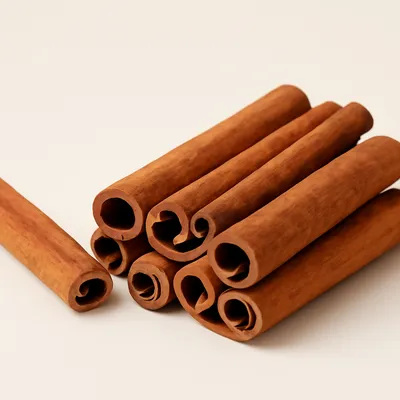
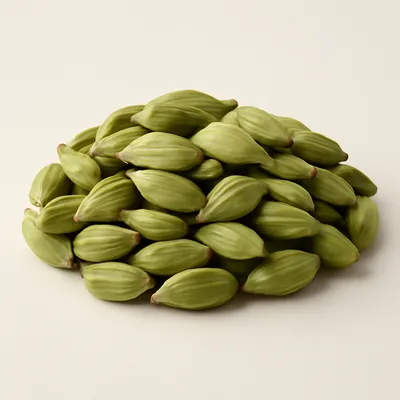

Reshteh khoshkar is a signature confection of Rasht, the capital of Gilan, where it is a point of local pride and a staple of holiday and celebration tables. Its name opens with reshteh ('thread' or 'strand'), a nod to the lattice of fine fried lines. Long made at home for Nowruz, weddings, and other gatherings, it is now also produced by the city's confectioners and sold as a regional specialty. Its rice-flour base reflects Gilan's identity as Iran's rice-growing heartland, and the fried-lattice technique sets it apart from the layered or roux-based sweets of the rest of the country.
A brittle golden web that shatters at the first bite into crisp, faintly sweet shards, giving way to a dense, oily center of ground walnut warm with cinnamon and cardamom. The syrup coating is restrained, more gloss than soak, so the lattice stays crisp rather than turning sticky. Rich enough that one or two pieces with tea is plenty. A soggy, collapsed web means the syrup was too heavy or the frying too brief.
The batter is mostly rice flour, which has no gluten — so the piped lines set into a clean, crisp lattice in hot oil rather than puffing or going chewy, and the starch fries to a lasting crunch. Piping the batter in fine crossing threads creates an open mesh that fries through quickly and traps the filling. Walnuts carry their own oil, which keeps the ground filling moist and rich under the dry, crisp shell, and toasting the cinnamon and cardamom into it deepens the aroma. The syrup is applied light and warm so it coats and seals without dissolving the fragile lattice.
Variations
Walnut is the classic filling; some makers use a mix of walnut and almond, and most add cardamom, cinnamon, and sometimes rose water for fragrance. The lattice may be folded into a flat oval, a roll, or a half-moon depending on the maker. A plainer everyday version skips part of the spice, while festival pieces are larger and more lavishly filled.
On the Palate
Where Reshteh Khoshkar sits in the Persian flavor cloud
Ingredients
Serves 12
How it's made
7 steps · 40 min
- 120 min
Whisk rice flour with water into a thin, smooth, pourable batter and let it rest.
Watch outBatter should ribbon off the whisk in a thin, smooth stream — too thick and the lines won't fry into a crisp lattice.
- 215 min
Grind walnuts and mix with sugar, cinnamon, and cardamom to make the filling.
- 35 min
Heat oil in a wide pan to a steady frying temperature.
- 420 min
Drizzle the batter from a piping bottle in fine crossing lines to form a lattice on the oil surface.
Watch outDrizzle in fine crossing threads over steady-hot oil — thick blobs won't set into an open mesh.
- 515 min
Fry the lattice until set and golden, then lift it out and drain.
- 615 min
Place a line of walnut filling on each lattice and fold it closed into an oval or roll.
- 710 min
Brush or briefly dip the pieces in warm light syrup to glaze, then cool before serving.
Watch outBrush the syrup on warm and light — soak the fragile lattice and the crunch is gone.
Archive tool suggestions — not reviewed
These legacy suggestions have not been evidence-reviewed and are not presented as required tools.