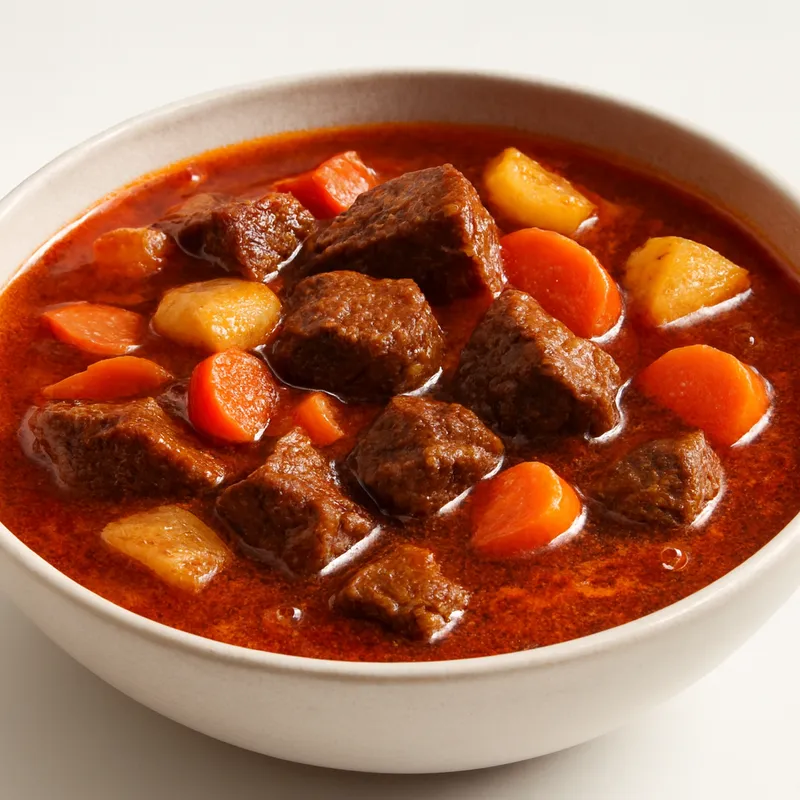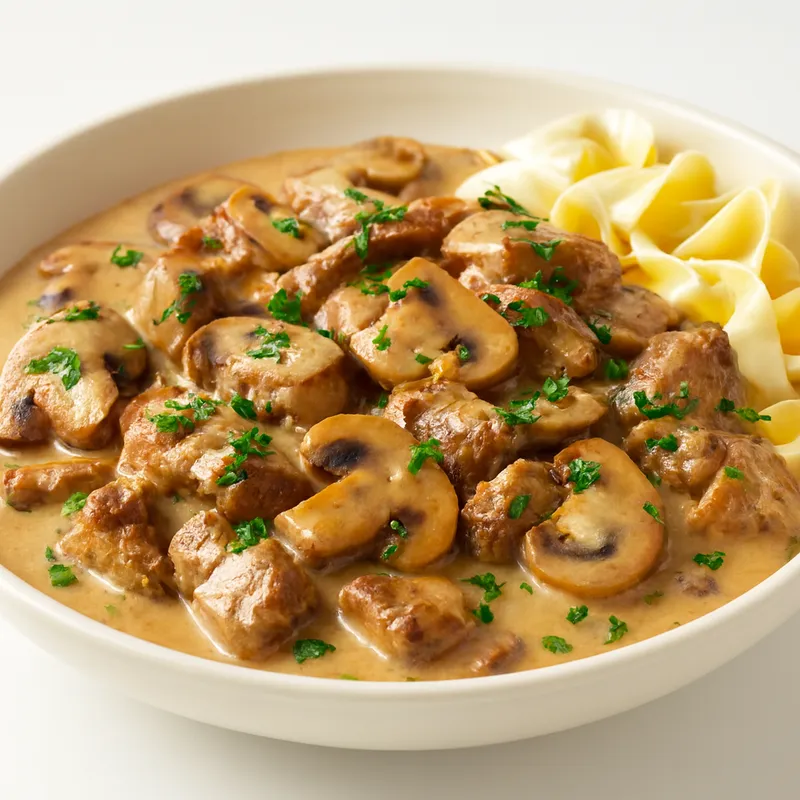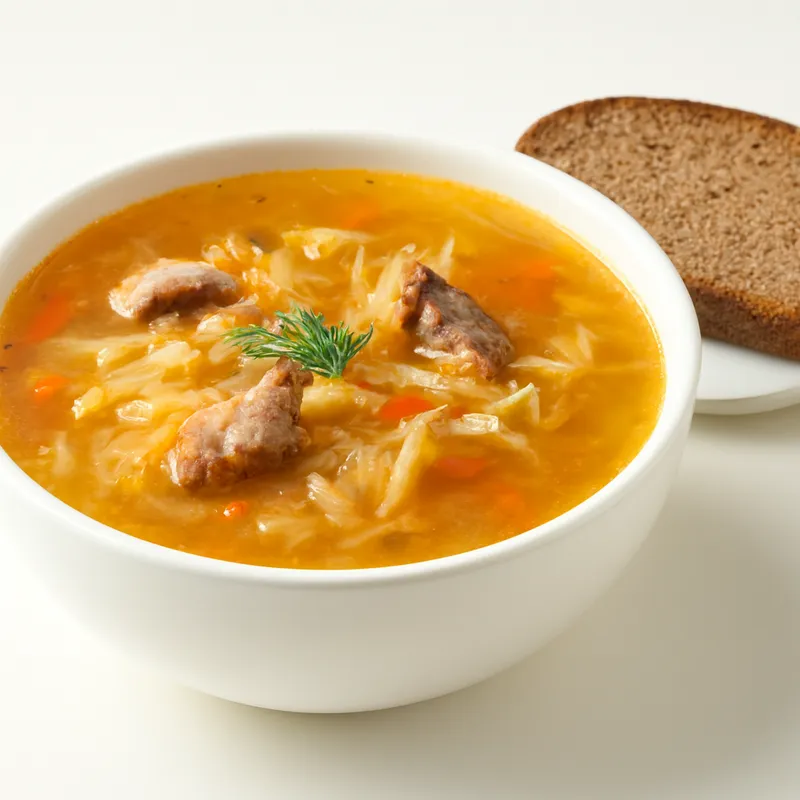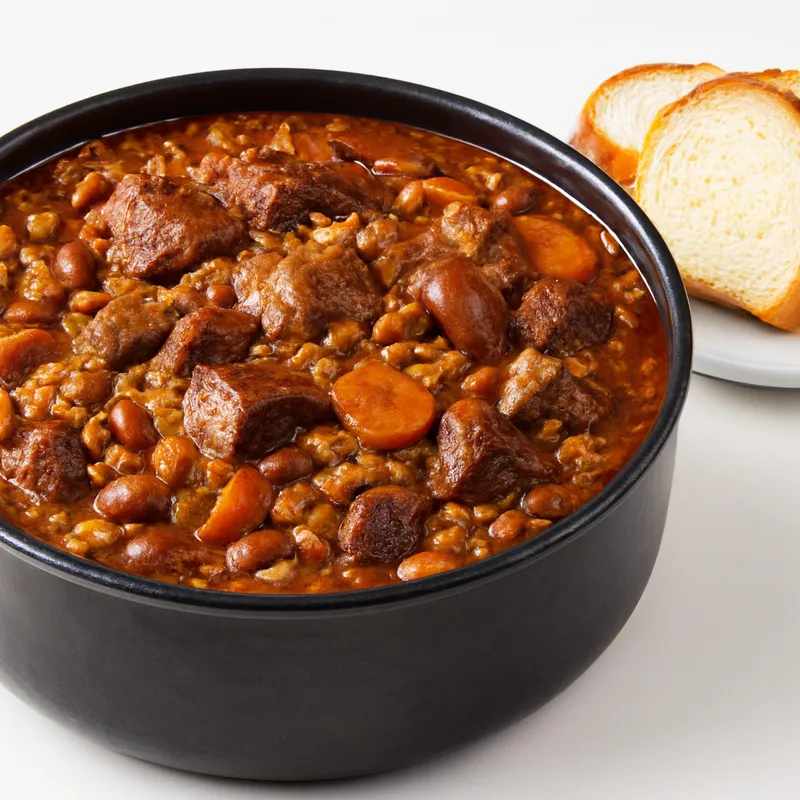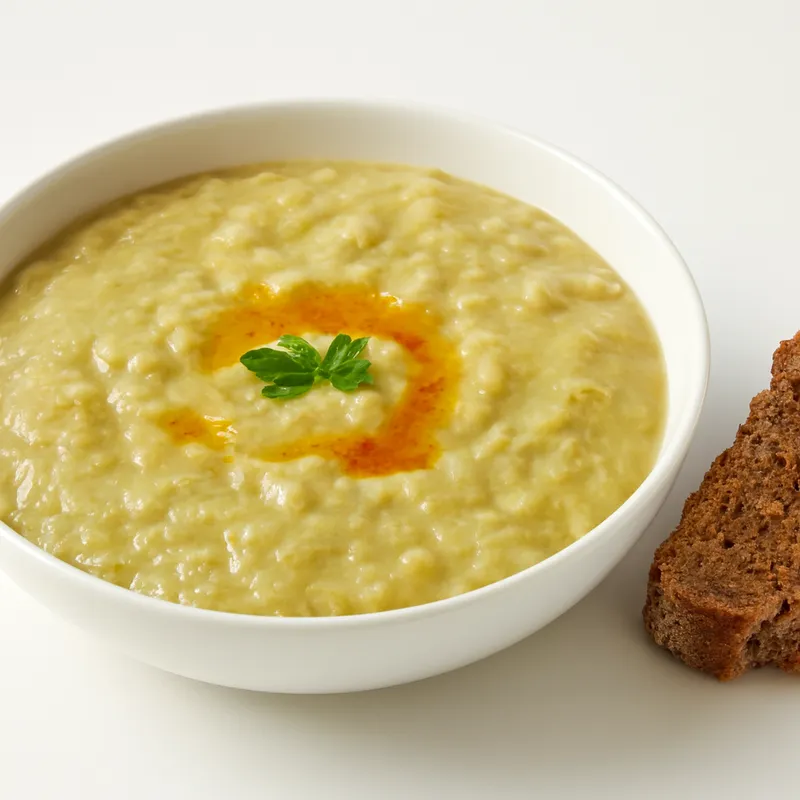




A Hungarian home-cooking staple with roots reaching back to at least the 16th century, when rural households simmered garden vegetables — peas, lentils, potatoes, spinach — into a cheap, filling, almost-dry pottage; the word főzelék means roughly "something made by cooking" and is first attested in print in an 1840 Hungarian cookbook. What sets it apart from broth-based stews is the rántás (a flour-and-fat roux) thickening, a Central European technique that spread widely in the 19th century, turning watery cooking liquid into a spoon-standing mush. It carried through the socialist era into urban workers' canteens, and Budapest still has dedicated főzelékes (főzelék shops).
Late-19th-century Hungarian working-class lunch, thickened with rántás — a flour-and-lard roux borrowed from Habsburg Austrian cooking. Socialist-era Budapest főzelékes shops kept it alive; if it pours, the rántás was added too late or skipped.
A thick vegetable porridge — peas, lentils, spinach, summer squash, or yellow split peas, cooked soft, then bound with a roux or sour cream until a spoon stands halfway up. Served in a deep bowl, often with a feltét on top: a fried egg, a single sausage, or a meatball. Lunch food, not a side. Texture sits between soup and stew; if it pours, it's wrong.
Rántás is load-bearing: flour browned in lard or oil, then doused with cold liquid off-heat to make a smooth slurry. Without it the vegetables sit in their own watery cooking liquid; with it the dish picks up body and a faint nutty back-note from the toasted flour. Add it too early and the starch over-thickens as it cooks; add it last minute and it tastes raw.
Variations
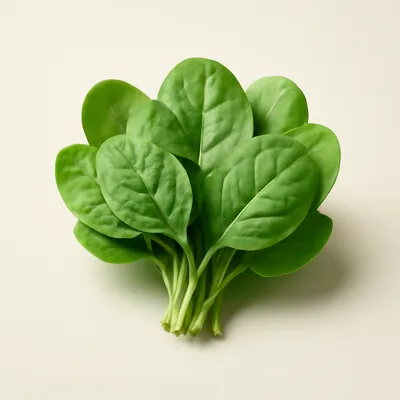
Borsófőzelék (yellow split pea, with fried sausage); spenótfőzelék (spinach, with poached egg and fried bread); tökfőzelék (summer squash with dill and sour cream); Budapest's Főzelékfaló chain runs a dozen daily varieties.
On the Palate
Where Főzelék sits in the Hungarian flavor cloud
Ingredients







How it's made
5 steps · 42 min
- 110 min
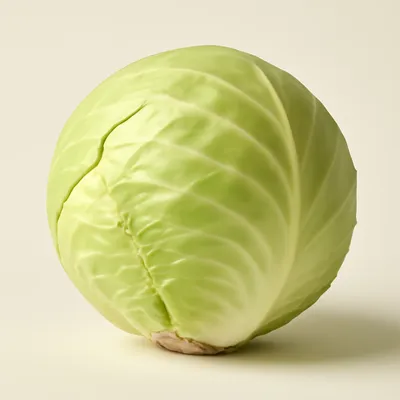
Begin by chopping your choice of vegetables such as potatoes, carrots, and cabbage into bite-sized pieces.
- 25 min
In a large pot, melt butter over medium heat and stir in flour to form a roux. Cook until the roux is lightly golden and smells nutty.
Watch outThe roux is ready when it turns pale gold and smells toasty-nutty, not when it's still white and pasty.
- 35 min
Gradually whisk in water or broth, stirring constantly to avoid lumps. The mixture should thicken slightly.
Watch outPour the liquid off-heat in a thin stream, whisking nonstop, until the slurry is glossy and lump-free.
- 420 min
Add the chopped vegetables, season with salt, pepper, and paprika, and simmer until the vegetables are tender.
- 52 min
For extra richness, stir in sour cream just before serving. The főzelék should be creamy and well-seasoned.
Watch outFold the sour cream in off the boil so it enriches without curdling into grainy flecks.
Archive tool suggestions — not reviewed
These legacy suggestions have not been evidence-reviewed and are not presented as required tools.