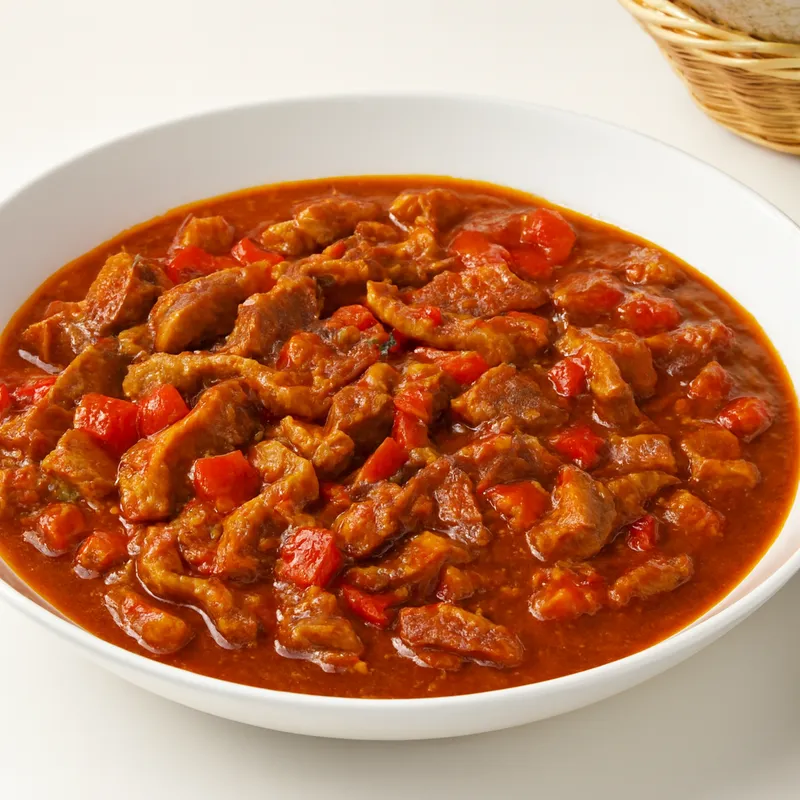
A hearty tripe stew built on the classic pörkölt base — onion, lard, generous paprika, garlic and hot pepper — slow-simmered until tender into a spicy, gelatinous, low-liquid stew. An assertive offal dish served with fresh white bread, pasta or pickles, with no sour cream.




Tripe has long been a poor man's food in Hungary — cheap offal nobody else wanted at the butcher's, plentiful and filling for working people. Braised soft in the pörkölt method, its barnyard funk turns rich and savory, making it an enduring tavern and Great Plain staple. The pörkölt method itself — onion base, paprika, no roux, less liquid than gulyás — was codified in Hungarian cookbooks by the mid-1800s. Pacalpörkölt remains a beloved fixture in Budapest's older kocsmák, often paired with sharp pickles and a beer, and especially favored at the weekend midday table.
19th-century Budapest pub staple from when tripe was offal nobody else wanted. Pörkölt method — onion-paprika braise, no flour, less liquid than gulyás — was codified in Hungarian cookbooks by the mid-1800s. Tripe needs two stages: 1.5-2 hour pre-boil with halved onion and bay, then a second simmer in the paprika base. Skip stage one and the tripe stays rubbery.
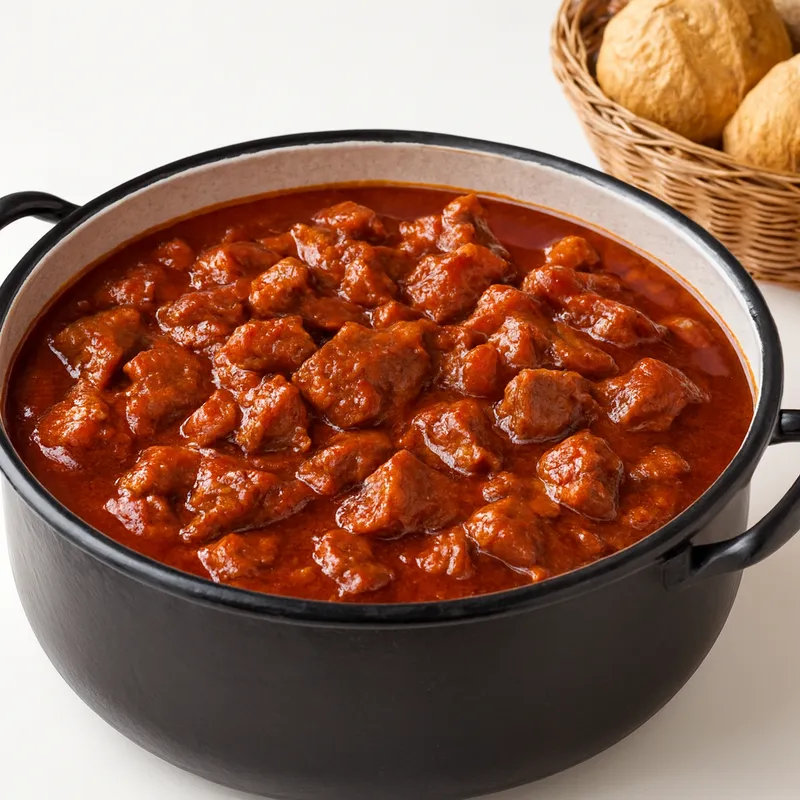
Strips of honeycomb tripe in a thick paprika gravy that clings to a spoon, the color of old bricks. Smell hits first — tripe has its own register, somewhere between dairy and barnyard — then sweet paprika, onion, a little garlic. Eaten with boiled potato or csipetke. The tripe should yield like soft squid; rubbery means it didn't simmer long enough.
Tripe needs two stages: a long pre-boil with a halved onion and bay (1.5–2 hours) until tender, then a second simmer in the paprika base so it picks up flavor. Skipping the first stage gives you tough tripe in a great sauce. Hungarians often add a few cubes of trotter to the pörkölt — the gelatin gives the gravy that lip-sticking body without needing a roux.
Variations
Old Budapest kocsma versions add cubes of trotter for gelatin without a roux; Szeged style uses sweet paprika almost exclusively; Transylvanian variants finish with sour cream; pörkölt itself runs across pork, beef, lamb, and game versions.
On the Palate
Where Pacalpörkölt sits in the Hungarian flavor cloud
Ingredients






How it's made
6 steps · 4 hours
- 111 min
Clean tripe thoroughly and cut into strips.
- 223 min
Sauté onions in lard until golden brown.
Watch outCook the onions in lard down to deep gold and soft — this is the color the whole stew is built on, so don't rush it pale.
- 314 min
Add tripe, paprika, and garlic, stirring well.
Watch outPull the pan off the heat before the paprika hits — paprika scorches in a second on high heat and turns the whole pot bitter.
- 414 min
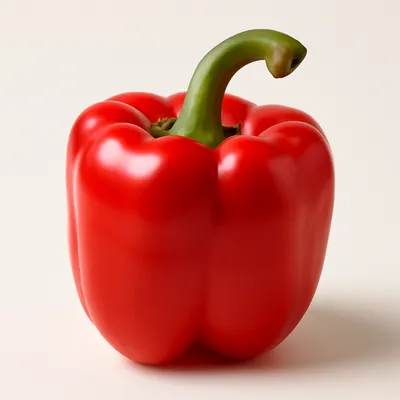
Add chopped tomatoes and bell peppers.
- 5171 min
Simmer on low heat until tripe is tender.
Watch outSimmer low and long until a strip of tripe gives with no chew — undercooked tripe stays rubbery no matter how good the sauce is.
- 66 min
Serve with a sprinkle of hot paprika.
Archive tool suggestions — not reviewed
These legacy suggestions have not been evidence-reviewed and are not presented as required tools.