Transylvanian Hungarian
Carpathian Szekler heritage — kürtőskalács, sour-cabbage stews, the Erdélyi mountain canon.
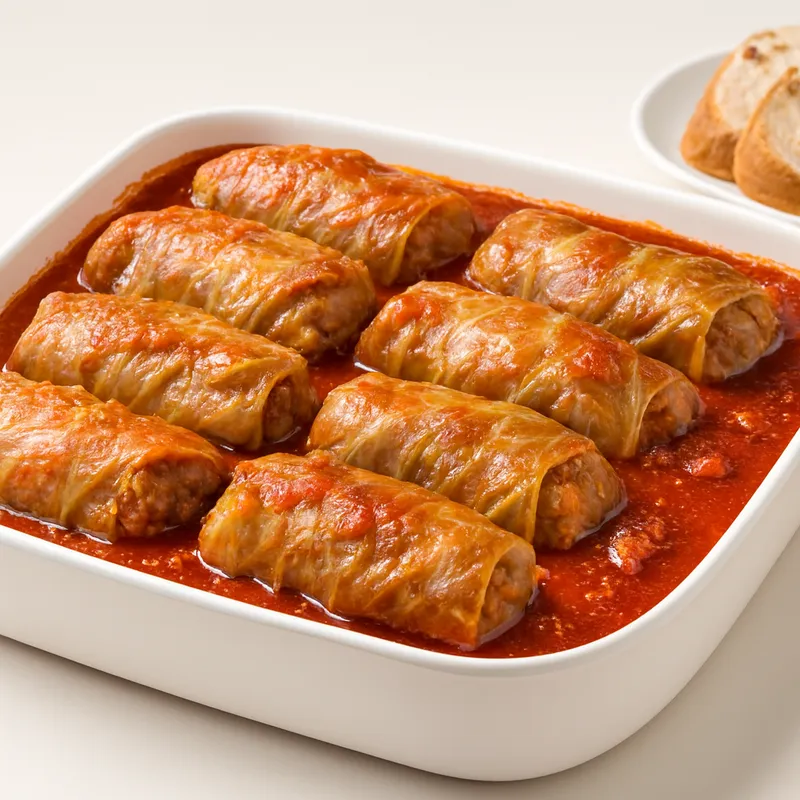
Töltött Káposzta
Cabbage leaves stuffed with a mixture of meat and rice, then simmered in a tomato sauce
View page →Transylvanian Hungarian (Erdélyi magyar) cuisine is the food of historic Transylvania — the Carpathian region that was part of Hungary for 1,000 years until the 1920 Treaty of Trianon transferred it to Romania. Today, ~1.2 million ethnic Hungarians live in Transylvania (especially the Szekler-Hungarian-majority counties of Hargita, Kovászna, and Maros), maintaining a distinct cuisine that diverged from mainland Hungarian after the border change but kept its Carpathian-Hungarian roots.
The signature dishes are recognizably Szekler-Hungarian: kürtőskalács (the chimney cake baked over open fire on a wooden spit — Transylvania's most-famous export), Erdélyi töltöttkáposzta (sour-fermented cabbage rolls layered with smoked pork and sauerkraut), Erdélyi tokány (sour-cream meat stew with dill, served over nokedli), and káposztaleves (the Transylvanian sour-cabbage soup that defines the winter table). The cuisine is more sour-forward than mainland Hungarian (using more fermented cabbage and sour cream), more smoke-heavy (with proportionally more smoked pork), and more dill-and-caraway-perfumed (whereas mainland Hungarian leans on paprika). It's a regional kitchen that exists across two countries — preserved by the Hungarian-Transylvanian community as cultural inheritance.
Start Here
The dough must rest at least 90 minutes — under-proofed dough won't develop the spiral-shell texture that distinguishes kürtőskalács from regular pastry.
Why start here · Kürtőskalács is Transylvania's most-globally-recognized export — sold at Christmas markets across Europe.
Use sour-fermented whole cabbage leaves, not fresh-blanched — that's the Transylvanian-vs-mainland difference.
Why start here · Erdélyi Töltöttkáposzta is the Szekler Christmas Eve centerpiece — 3 hours of cooking, the heart of Transylvanian-Hungarian holiday tradition.
Use sauerkraut brine (about 400ml) — without it, the soup loses the bright sour-acid that defines the Transylvanian winter table.
Why start here · Káposztaleves is the Transylvanian winter daily soup — what Szekler households eat from October through March.
The Pantry



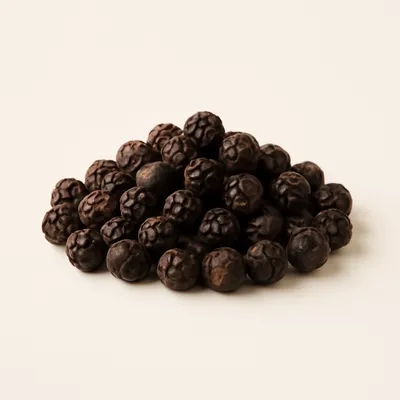


See all 32 ingredients›
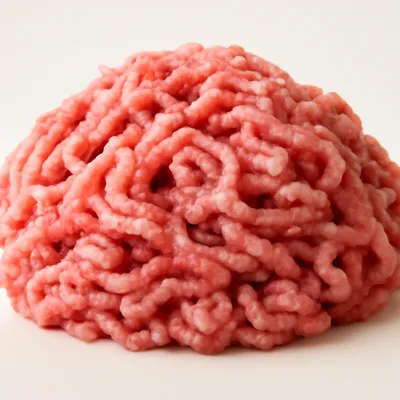


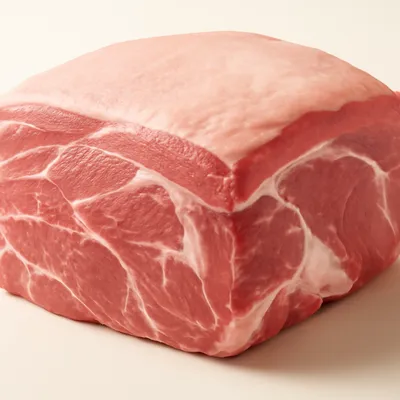

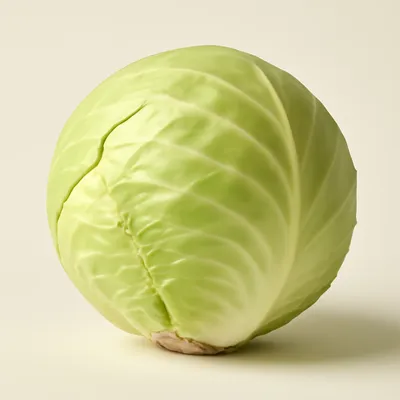
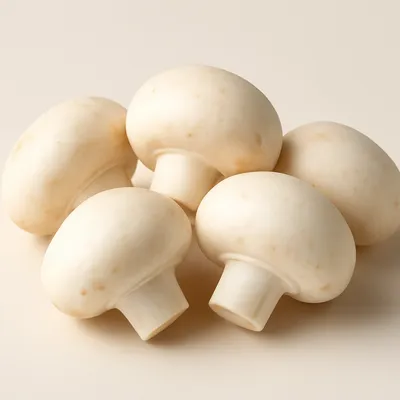
Vegetables


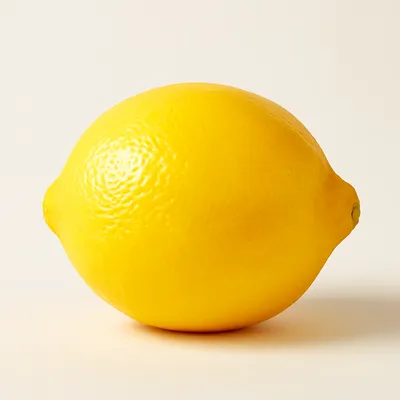
Fruits
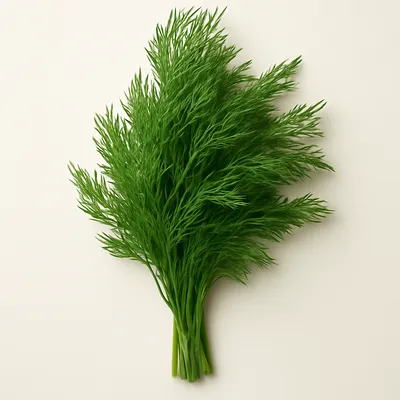




Dairy & Fats



Sauces & Condiments


How They Cook
Techniques that define this cuisine
Other regions
Siblings within Hungarian — each its own tradition.