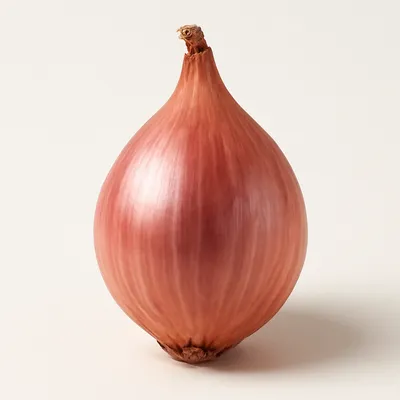
A festive spicy meat braise from the Minahasan highlands of North Sulawesi. The classic version is made with pork — Minahasa being a pork-eating Christian region — though other meats are used too. The meat is cooked down with a hot rica paste of red chili, shallot, ginger and turmeric, perfumed with lemongrass, kaffir lime leaf and lemon basil, until tender and dark. In its most traditional form the dish is enriched with the animal's blood, which thickens and deepens the sauce, and it appears at celebrations, church gatherings and family feasts.





Tinorangsak is a dish of the Minahasan people of North Sulawesi, the highland-and-coast region around Manado that kept its pork traditions as a largely Christian community. It belongs to the territory of celebratory cooking, the food brought out for feasts and communal gatherings, and is built in the assertive Minahasan idiom of heavy chili and fragrant fresh herbs. Pork is the traditional meat and blood an old enrichment, though both vary with the cook and the occasion. As a regional folk preparation it has no single documented date or inventor; what is consistent is its place at the festive table and its kinship with the wider family of Minahasan rica dishes.
Dark, glossy meat heavy with chili — the heat is upfront and substantial, the trademark Minahasan burn, but it rides on a thick base of aromatics rather than standing alone. Lemongrass and kaffir lime cut through with citrus, ginger adds a warm bite, and lemon basil threads a cooling green note over the top. The pork is tender and rich, its fat softened into the sauce; where blood is used the gravy turns darker, silkier and more savory, almost mineral. It is rich, hot food meant to be eaten in small amounts with a lot of plain rice.
The rica paste of chili, shallot, ginger and turmeric is fried in oil first, both to bloom the aromatics and to extract the fat-soluble capsaicin into the cooking fat so the heat carries evenly through the dish. Pork's collagen-rich cuts then braise slowly: gentle, sustained heat converts the connective tissue to gelatin, tenderizing the meat while its rendered fat enriches and bodies the sauce. Whole lemongrass, kaffir lime and lemon basil steep their volatile oils into the liquid as it reduces. When blood is added, its proteins coagulate gently in the warm sauce and thicken it, contributing the dark color and deep savory-iron note of the most traditional version — a use of every part of the animal typical of festive village butchery.
Variations
Pork is the traditional and most common meat, but the same treatment is given to other meats, and game has historically appeared in village versions. The biggest divide is whether blood is used: the old-style blood-enriched tinorangsak against lighter versions that leave it out. Chili levels run from hot to very hot to suit Minahasan tastes, and the dish sits within a broad family of Minahasan rica braises, sharing its core paste with neighbors like the rica-rica dishes.
On the Palate
Where Tinorangsak sits in the Indonesian flavor cloud
Ingredients
Serves 6

How it's made
8 steps · 40 min
- 110 min
Cut the pork, with some of its fat, into bite-size chunks.
- 215 min
Grind red chili, shallot, garlic, ginger and turmeric into a rica paste.
- 35 min
Bruise the lemongrass and tear the kaffir lime leaves.
- 48 min
Fry the rica paste in oil over medium heat until fragrant and the oil separates.
Watch outFry the rica paste until the oil separates out — this blooms the aromatics and pulls the chili's heat into the fat so it carries through the dish.
- 55 min
Add the pork and stir until it changes color and is coated in the paste.
- 655 min
Add the lemongrass and lime leaves, pour in a little water, and braise gently until the pork is tender.
Watch outBraise gently and slow until the pork turns tender — steady low heat melts the collagen to gelatin, and its rendered fat bodies the sauce.
- 78 min
If using blood, stir it in toward the end and cook gently until the sauce thickens; season with salt.
Watch outIf using blood, stir it in near the end and cook gently — its proteins set softly to thicken the sauce; a hard boil turns it grainy.
- 82 min
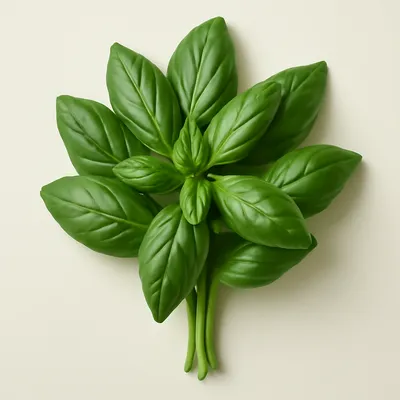
Stir through the lemon basil off the heat and serve with plenty of steamed rice.
Archive tool suggestions — not reviewed
These legacy suggestions have not been evidence-reviewed and are not presented as required tools.



