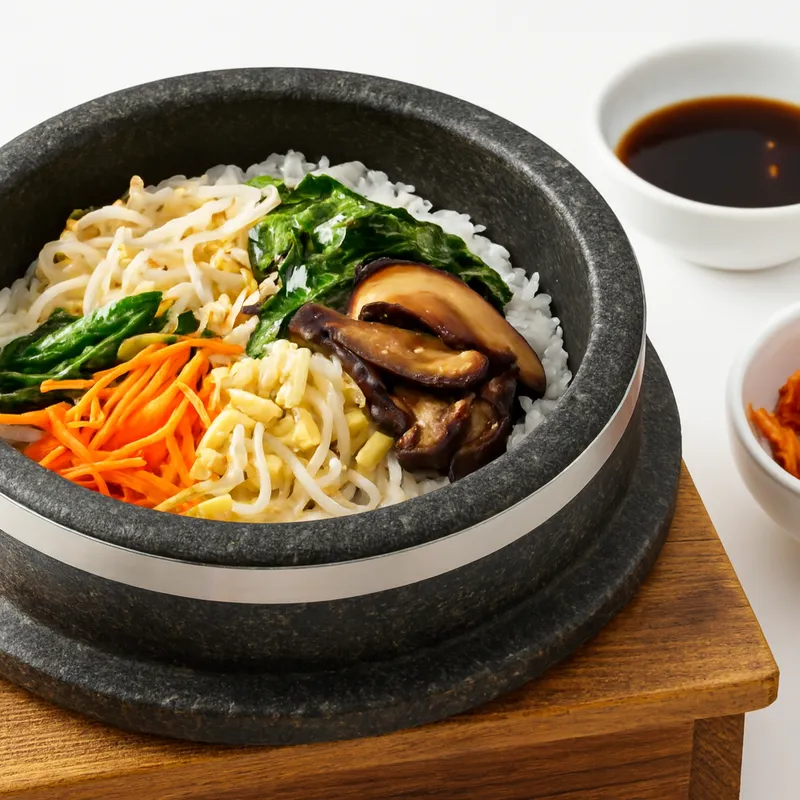
Rice cooked in a stone pot with soybean sprouts, shiitake mushrooms, and vegetables.


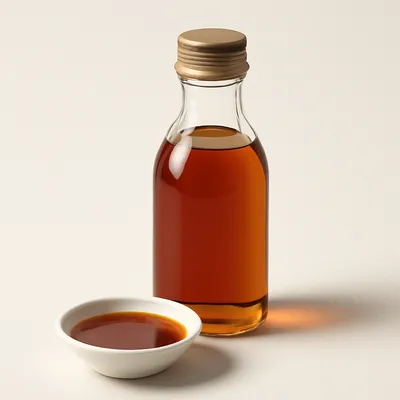
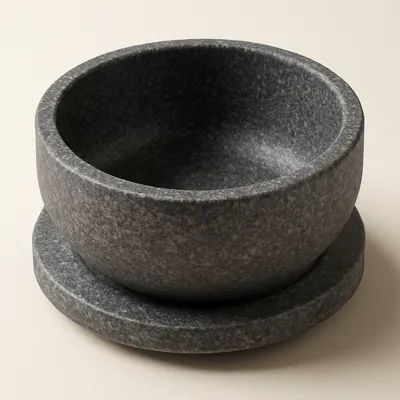
Stone-pot rice cooking is ancient across Korea, but the modern dolsotbap as a single-portion restaurant dish belongs to Jeolla Province — Jeonju and Naju in particular — where it appears as the format for Jeonju bibimbap and as a standalone rice dish from the late 1960s. The stone pot retains heat above 200°C for 10+ minutes, which is what produces the crust.
Single-portion stone-pot rice as a restaurant format belongs to Jeolla — Jeonju and Naju in particular — from the mid-20th century. The pot holds above 200°C for 10+ minutes, which is the only way the bottom crust (nurungji) sets.
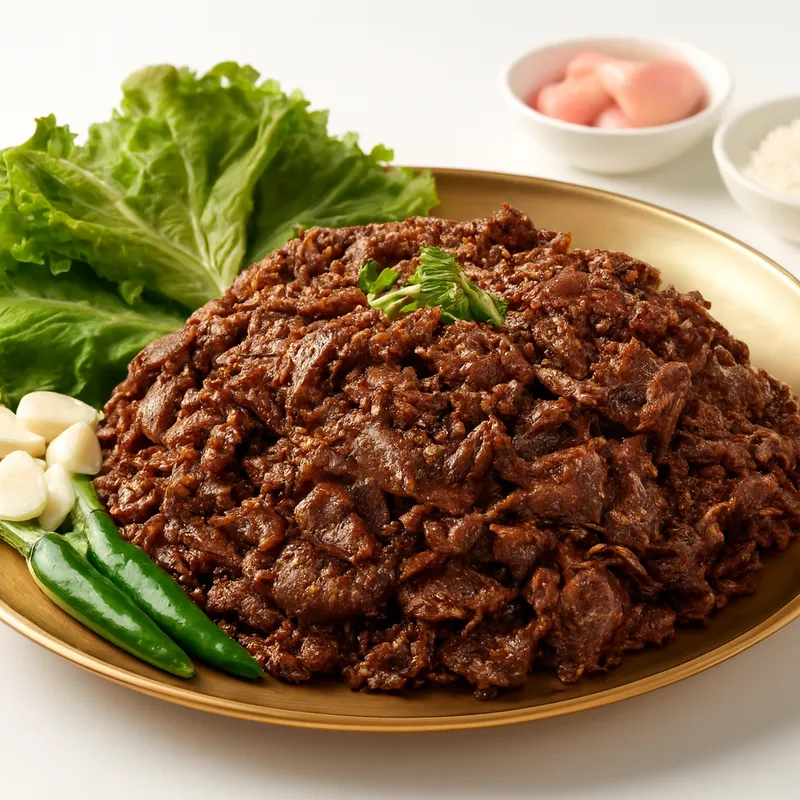
Rice cooked from raw in a thick stone pot (dolsot), opened steaming at the table with toppings layered on top — soybean sprouts, shiitake, gingko nuts, chestnut, sometimes octopus or beef. The bottom layer crisps into nurungji, a golden rice crust. Lift the rice into a bowl, pour barley tea or hot water into the empty pot, scrape the crust loose — that's a second course.
Soaked rice goes into a pre-heated stone pot, and the pot continues cooking on residual heat for several minutes after coming off the burner — that residual phase is when the bottom crisps. Aluminum or clay can't do this; aluminum cools instantly, clay cracks. The barley-tea pour at the end isn't tradition for its own sake — it lifts the nurungji whole and turns it into a thin rice porridge (sungnyung) that closes the meal.
Variations
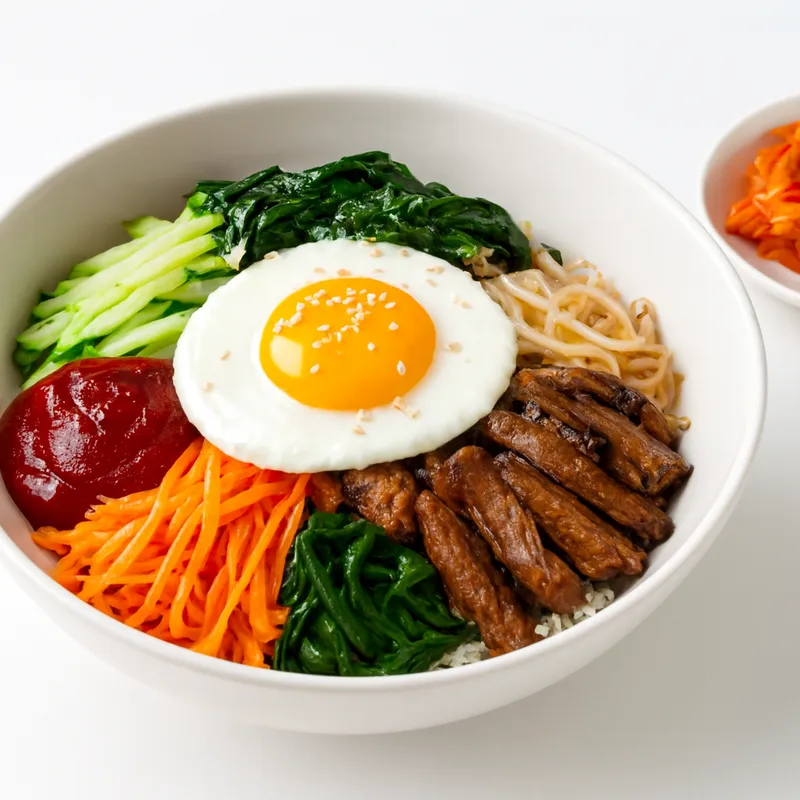
Jeonju yeongyang dolsotbap (with gingko, jujube, chestnut, beef); Naju heobeun-bap (lighter topping, herb-forward); Gangwon version adds wild mountain greens; Seoul beef-and-mushroom shops keep it sparse and end with sungnyung barley-tea pour.
On the Palate
Where Dolsotbap sits in the Korean flavor cloud
The crust (nurungji) comes from residual heat: pre-heat the stone pot, cook the rice covered, then let it sit off direct high heat so the bottom layer toasts crisp without burning.
Ingredients
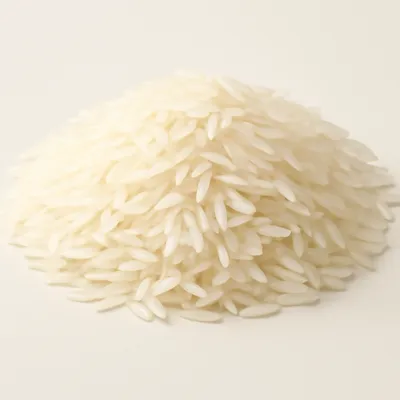


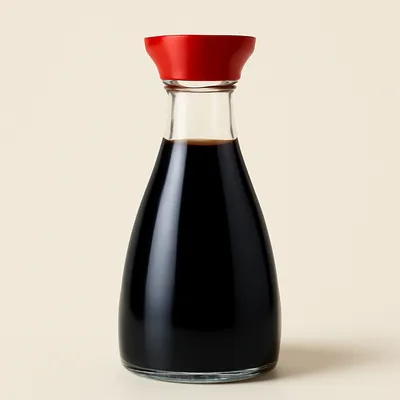






How it's made
6 steps · 1 hour
- 12 min
Rinse and soak short-grain rice for 30 minutes, then drain.
Watch outSoak until a grain crushes easily between your fingers — that's fully hydrated and ready to drain.
- 28 min
Heat sesame oil in a dolsot over medium heat and sauté minced garlic until fragrant.
Watch outSauté the garlic just to fragrant and pale gold — let it brown and it turns bitter.
- 32 min
Add soybean sprouts, julienned carrot, sliced shiitake mushrooms, and diced pumpkin to the pot, stirring to coat in oil.
- 45 min
Gently spread the soaked rice over the vegetable mixture, pour in water or broth, and cover the pot.
- 515 min
Cook on low heat until the rice is tender and a crispy layer forms at the bottom.
Watch outListen for a faint crackle from the bottom and smell toasted rice — that's the nurungji forming; kill the heat before it smells burnt.
- 62 min
Finish with a drizzle of soy sauce, sesame seeds, and finely chopped scallions before serving.
Archive tool suggestions — not reviewed
These legacy suggestions have not been evidence-reviewed and are not presented as required tools.