

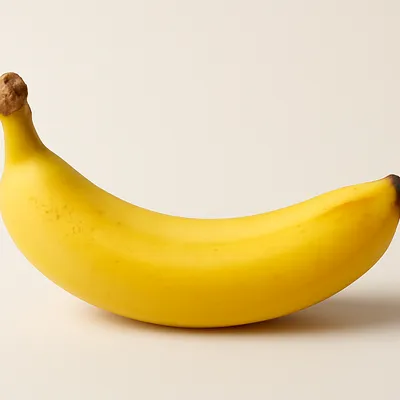

Plantains (Musa × paradisiaca) arrived in the Caribbean from West Africa via the Atlantic slave trade in the 16th–17th centuries, where they replaced the Old World sweet banana for cooking. Maduros developed across the Spanish Caribbean — Cuba, Puerto Rico, Dominican Republic — as the ripe-fruit counterpart to tostones (made from green plantain). The dish is purely a frying technique applied to fruit at peak sugar conversion.
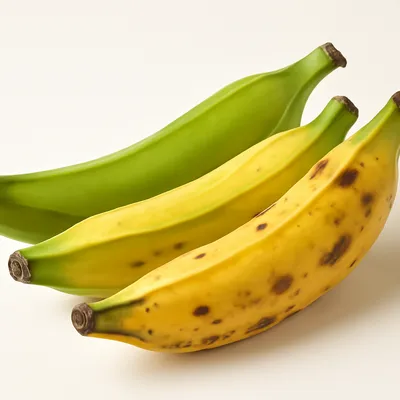
Sub-Saharan plantain crossed the Atlantic in the 16th–17th centuries, then doubled back as fryer fruit across Cuba, Puerto Rico, and the DR. Skin must be black with yellow only at the stem — at that stage roughly 80% of the starch has converted to fructose and glucose. Oil at 175°C; hotter and the sugars burn before the inside softens.
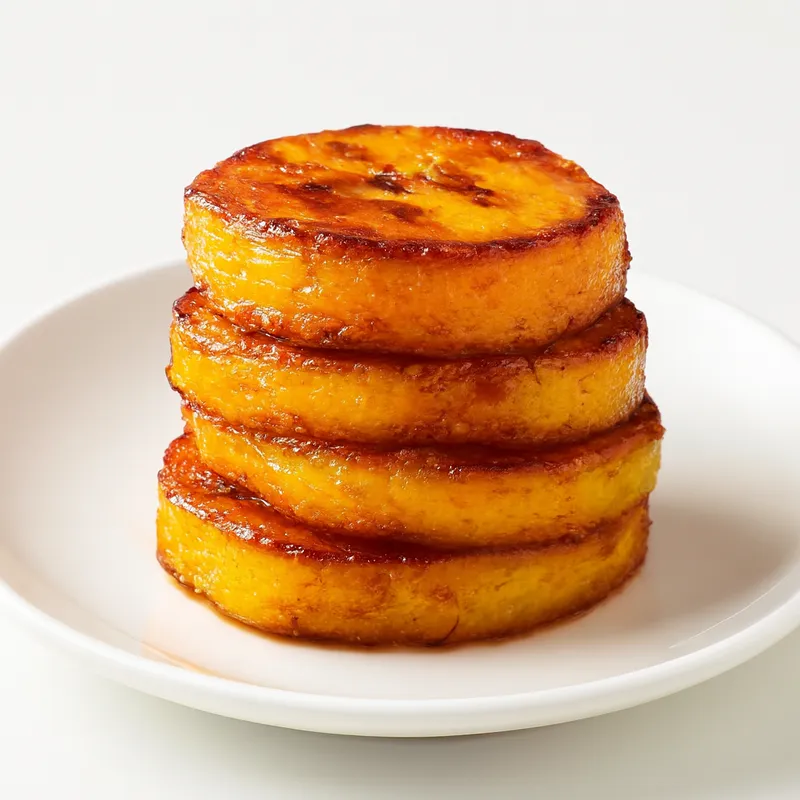
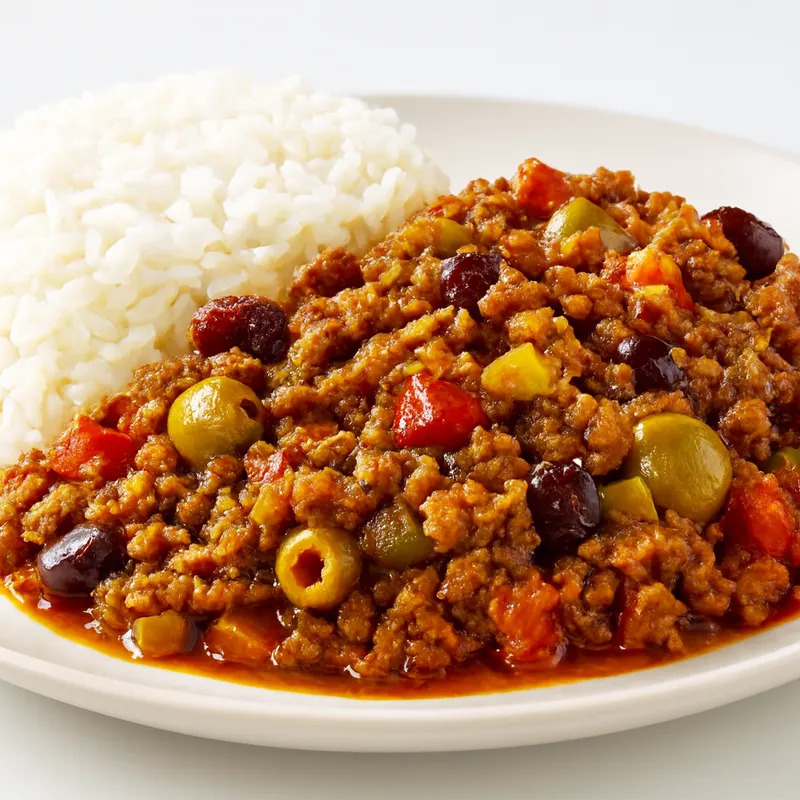
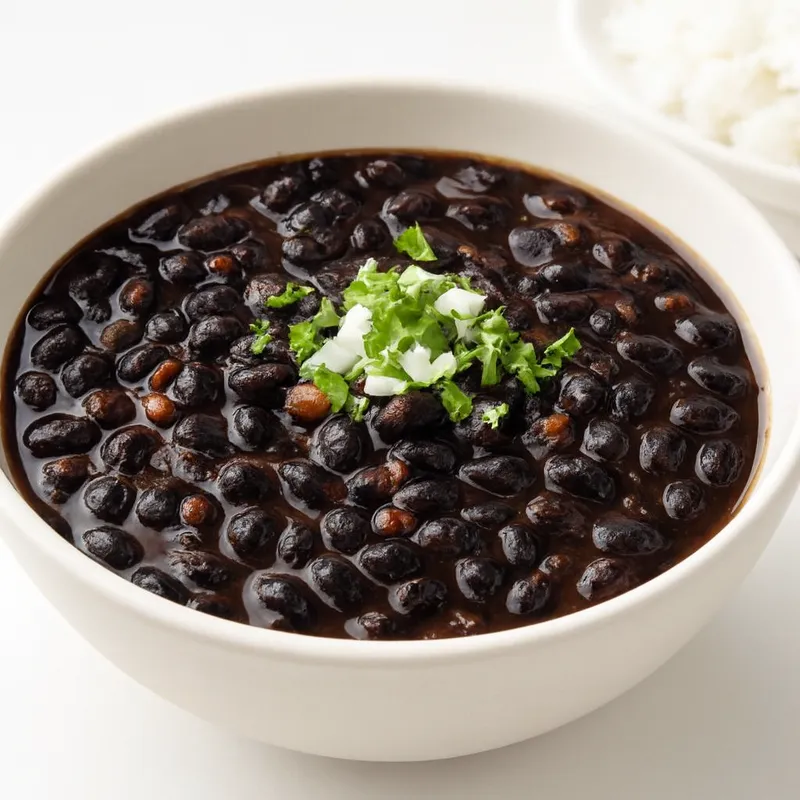
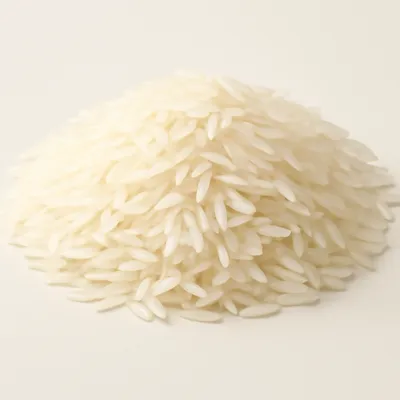
Slices of overripe plantain — skin nearly black — fried in shallow oil until the edges caramelize to mahogany and the centers turn nearly jammy. Sweet, with a faint tang from the fruit itself. Served as a side to almost everything Cuban: black beans and rice, roast pork, picadillo. No sugar added; the sweetness is all from the fruit's converted starch.
Ripeness is non-negotiable: skin must be black with yellow only at the stem. At that stage the starch has largely converted to fructose and glucose, and the slices will caramelize; underripe and you get bland, starchy maduros that won't brown. Crucially, maduros are pan-fried over medium to medium-low heat, not deep-fried — let the sugars color slowly while the inside softens. Too hot and the sugars scorch before the center is done; the often-cited 175°C / 350°F is the deep-fry temperature for green-plantain tostones, not for maduros. Cook in batches; crowding the pan drops the temp and the slices steam into mush instead of browning.
Variations
Cuban maduros are sliced on the bias and pan-fried; Puerto Rican amarillos run identical; Dominican plátanos maduros fritos cuts thicker; Colombian plátano en tentación bakes them in piloncillo and cinnamon — the dessert direction.
On the Palate
Where Maduros sits in the Cuban flavor cloud
Ingredients
How it's made
5 steps · 20 min
- 14 min
Peel and slice ripe plantains diagonally.
Watch outUse plantains whose skin is nearly black — that's when the starch has turned to sugar and the slices will caramelize; yellow ones stay bland and starchy.
- 25 min
Heat olive oil in a skillet over medium heat.
- 38 min
Add plantain slices and fry until golden on both sides.
Watch outKeep the heat medium to medium-low and let them color slowly — too hot and the sugars scorch before the middle goes soft.
- 42 min
Remove and drain on paper towels.
- 52 min
Sprinkle with salt before serving.
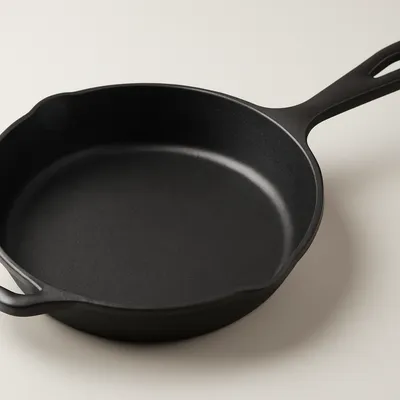
Archive tool suggestions — not reviewed
These legacy suggestions have not been evidence-reviewed and are not presented as required tools.