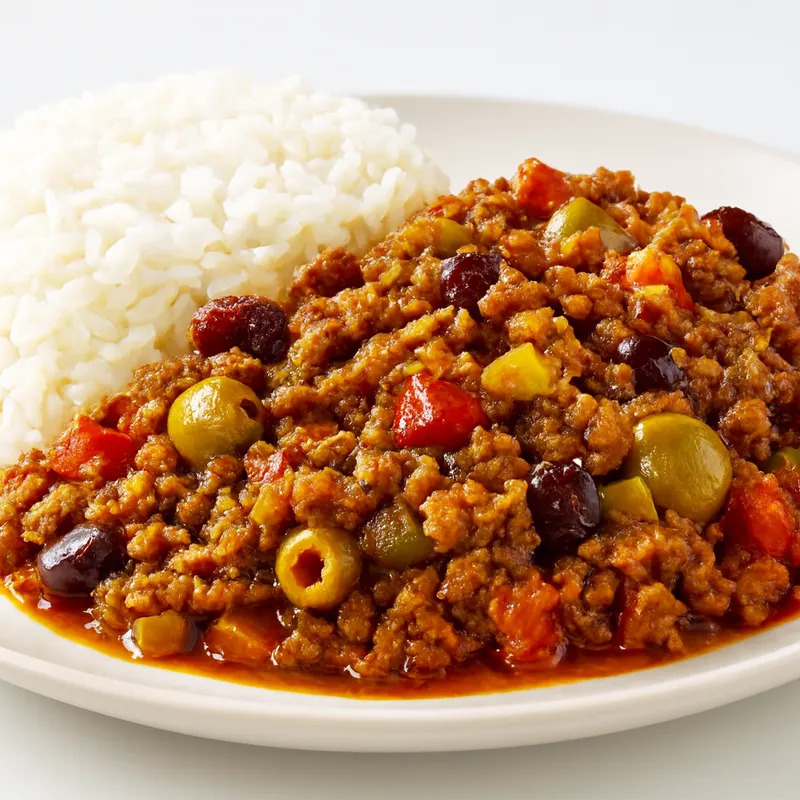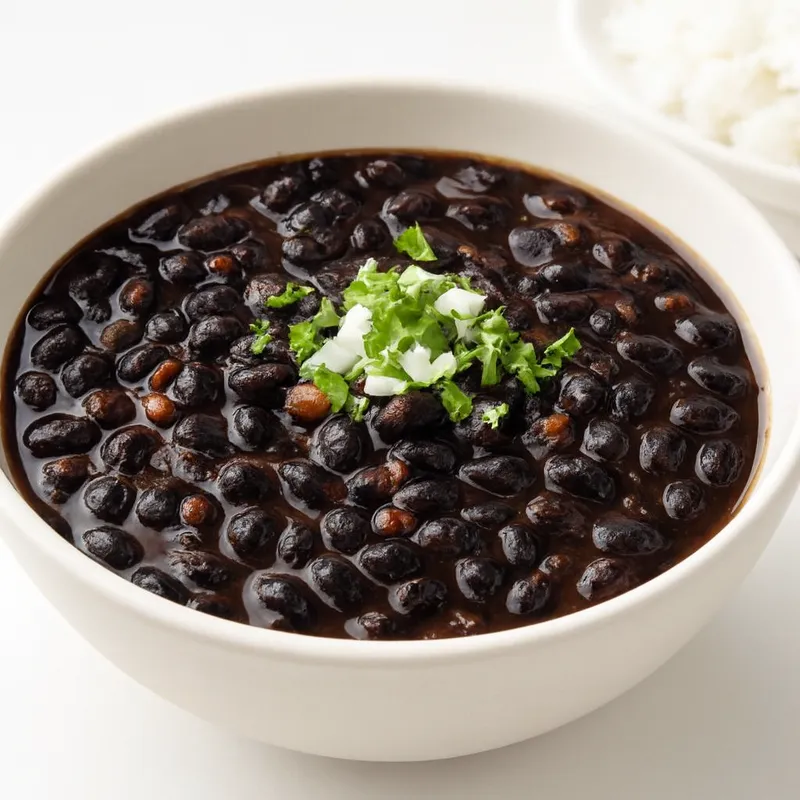
A hearty black bean stew infused with sofrito and a touch of vinegar, a classic Cuban comfort food.
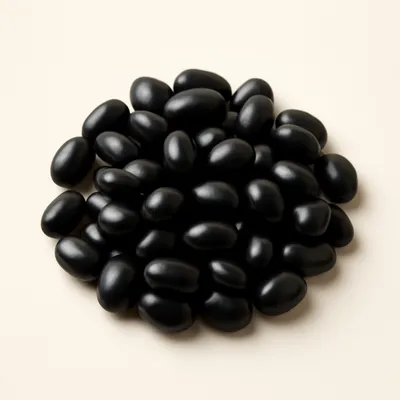


Black turtle beans are a variety of the common bean (Phaseolus vulgaris), a New World crop. Genetic evidence points to an initial domestication in present-day Mexico, with a second independent domestication later in the Andes; the bean has been cultivated for thousands of years (commonly cited as 7,000+, though the exact figure is debated). Spanish ships carried American beans back to Europe after Columbus and onward across the Caribbean. The Cuban version coalesced in the 19th century, layering Spanish sofrito technique and African cooking know-how onto a bean staple from Taino times. The bay leaf, cumin, and oregano profile is Andalusian; the splash of vinegar at the end is a Cuban move that brightens the iron-heavy broth.
Mesoamerican turtle bean (Phaseolus vulgaris) — 7,000+ years cultivated — under Andalusian sofrito, with a Cuban vinegar splash at the end. Don't drain the soak water: the anthocyanin and starch are what give the broth its viscosity and inky color. Vinegar goes in off-heat or the acid stalls bean breakdown.
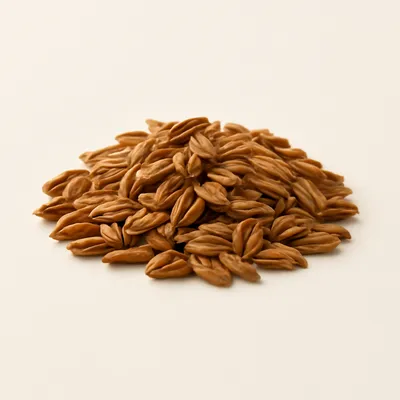
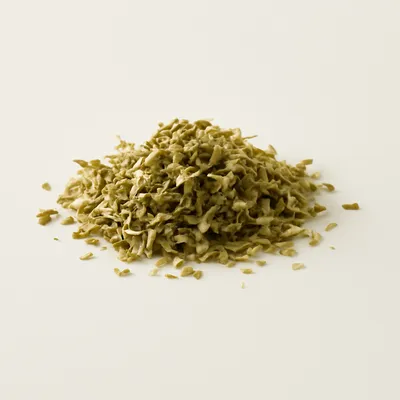
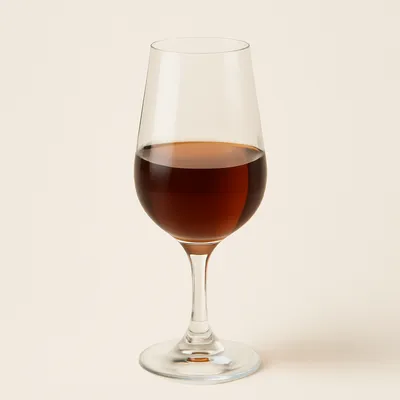
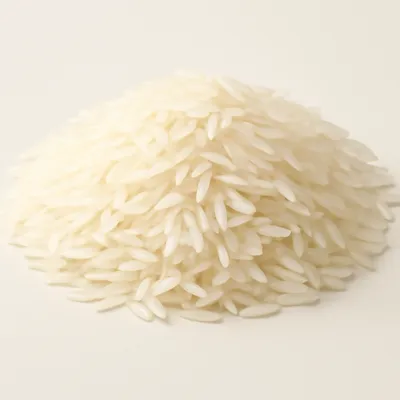
Inky black soup-stew, thick enough to hold a spoon up briefly. Beans whole but yielding, broth stained purple-black and faintly viscous. Sofrito — onion, green pepper, garlic, cumin — sits underneath; a finishing splash of vinegar or dry sherry sharpens the back of the tongue. Spooned over white rice (moros y cristianos when mixed in the pot) so the broth soaks into each grain.
Two technical moves matter. First: the soaking liquid stays — don't drain. The bean's anthocyanin and starch in that water are what give the broth its viscosity and color; fresh water gives you a thin, brown soup. Second: the vinegar (or sherry) goes in at the very end, off heat, or the acid stalls the bean from breaking down. Some cooks mash a ladleful of beans against the pot wall to thicken without flour.
Variations
Cuban frijoles negros stays soup-stew thick; Brazilian feijoada is the pork-heavy cousin, an Afro-Brazilian dish; Mexican frijoles de olla skips sofrito for epazote; Venezuelan caraotas negras is savory but typically takes a pinch of sugar to balance (a frankly sweet version also exists) — either way, the counterpoint to the Cuban acid finish.
On the Palate
Where Frijoles Negros sits in the Cuban flavor cloud
Ingredients




How it's made
5 steps · 2 hours
- 1113 min
Soak black beans overnight.
Watch outCover the beans with a good two inches of water — they double in size overnight, and any left dry go gritty and won't soften evenly.
- 22 min
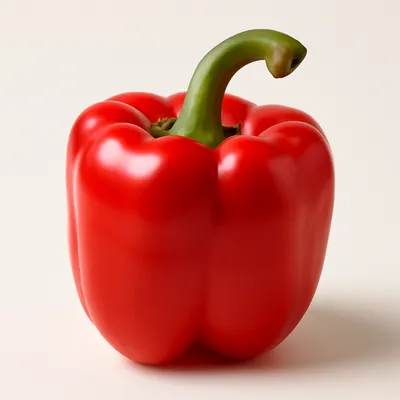
Sauté onion, bell pepper, and garlic in olive oil to make a sofrito.
- 31 min
Add soaked beans, cumin, oregano, and bay leaf to the pot.
- 44 min
Simmer until beans are tender.
Watch outKeep the soaking water in the pot — that starchy black liquid is what turns the broth thick and dark, so top up with a little of it, never plain water.
- 51 min
Stir in vinegar before serving for a slight tang.
Watch outThe vinegar goes in off the heat at the very end — add it while boiling and the acid stops the beans from breaking down, leaving them tight instead of creamy.
Archive tool suggestions — not reviewed
These legacy suggestions have not been evidence-reviewed and are not presented as required tools.