


Roast pig predates the Spanish on the island. When Columbus reached the Caribbean in 1492, the indigenous Taíno were already slow-roasting game over a framework of green wood — a technique they called barbacoa (first recorded in Spanish by Oviedo in 1526, and the root of the English word 'barbecue'). The Taíno had no domestic pigs; Spanish colonizers brought both the pork and a citrus-garlic marinade whose sour orange had traveled from Asia through Persia and the Arab world into Moorish Andalusia. By the 19th century the two strands had fused into the modern roast, which anchors Cuban Christmas Eve (Nochebuena). The caja china charcoal box used to roast it is popularly tied to Havana's Chinatown — sometimes attributed to 19th-century Chinese laborers — but food historians are skeptical, noting that Chinese and Cuban cuisines stayed largely separate and that 'china' in Caribbean Spanish often just means clever or exotic. What is documented: in 1955 a Cuban saw the box used in Havana's Chinatown, and his son commercialized it in Miami in 1985 as 'La Caja China,' which is how it became widely known.
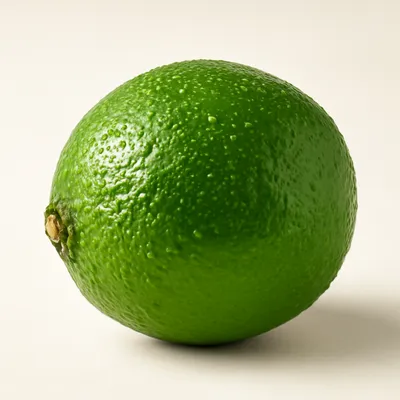
Taíno barbacoa technique pre-1492; Spanish added the pig and the Andalusian-Moorish citrus-garlic adobo. Cuban Nochebuena anchor, roasted in a caja china — itself a Cantonese-immigrant adaptation. Sour orange (naranja agria) is load-bearing; lime alone is too sweet to break down the connective tissue.
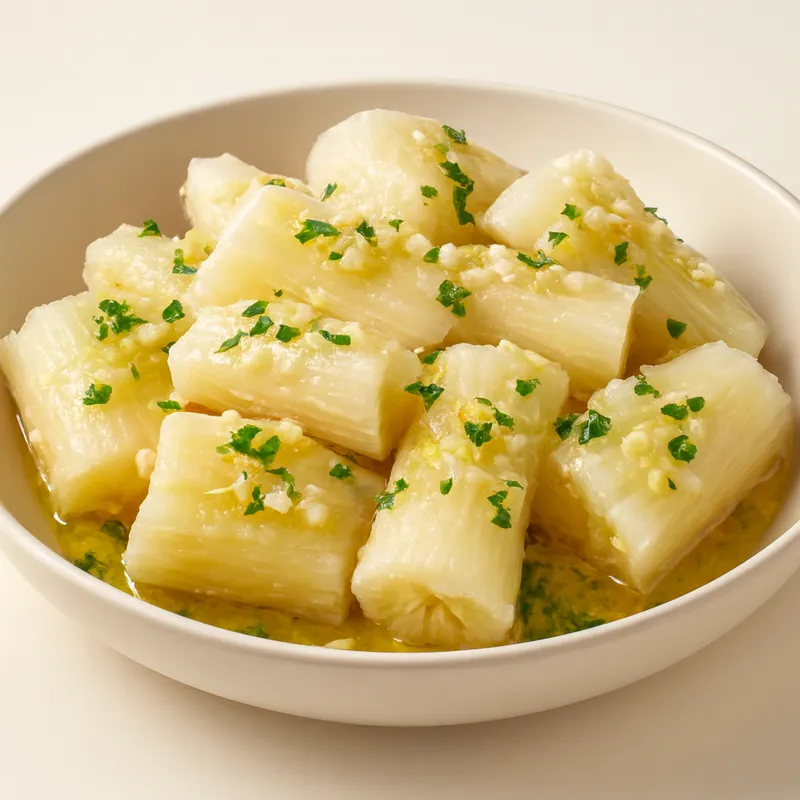
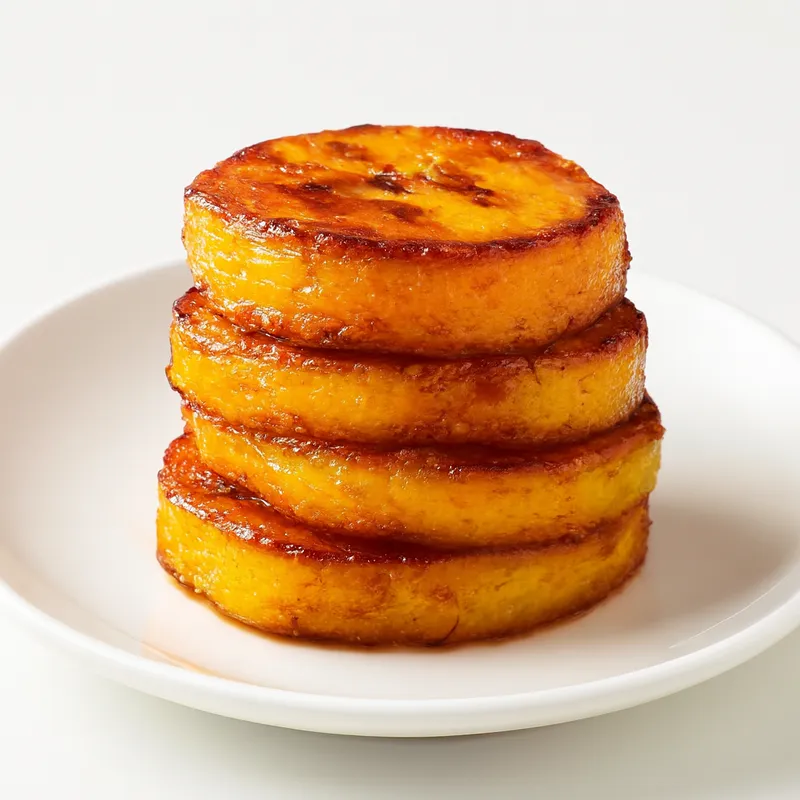
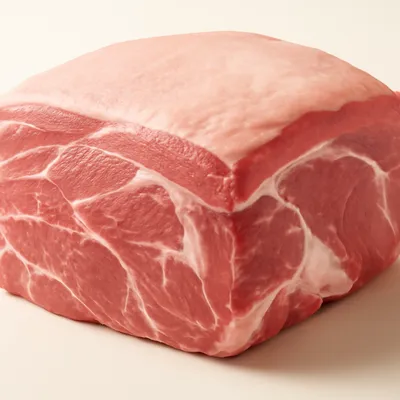
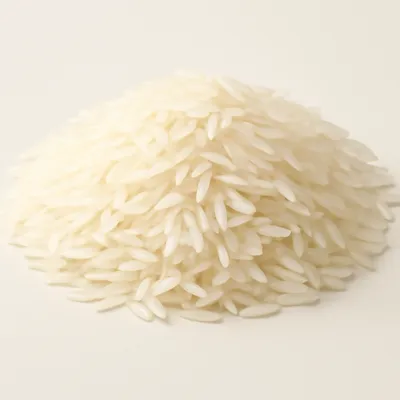
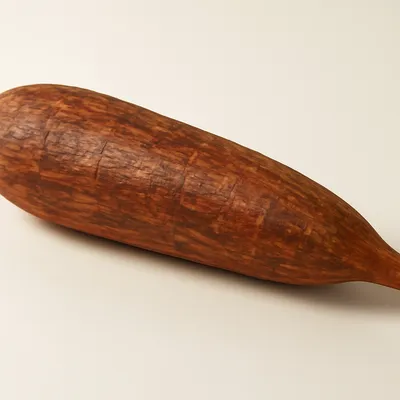
Whole pork shoulder or leg, skin lacquered to a near-black crackle that shatters under a knife. Underneath: meat falling off the bone, bright with garlic and sour orange. Served with white rice, black beans, and yuca con mojo. The crackling (chicharrón) is eaten by hand, salted; the meat goes onto the plate with mojo poured over.
Sour orange (naranja agria, Citrus × aurantium) is load-bearing — its acid is sharper and more bitter than lime, and it tenderizes pork without sweetening it. The marinade goes under the skin, never just on top: cooks slash the fat layer in a diamond pattern and rub adobo into the cuts overnight. For crackling, the skin must dry uncovered in the fridge before roasting; any surface moisture and it leathers instead of blistering.
Variations
Cuban lechón asado uses caja china pit-box; Puerto Rican lechón asao spits the whole pig over coals at La Ruta del Lechón (Guavate); Filipino lechon (Cebu) stuffs the cavity with lemongrass; Spanish cochinillo segoviano is the suckling-pig oven version.
On the Palate
Where Lechón Asado sits in the Cuban flavor cloud
Ingredients

How it's made
5 steps · 6 hours
- 13 min
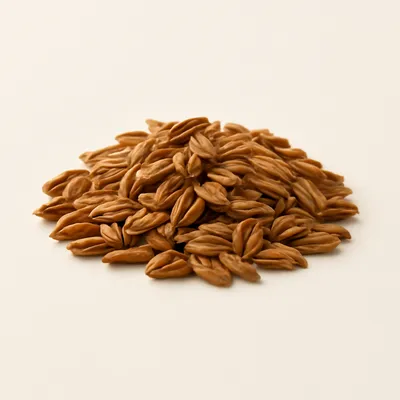
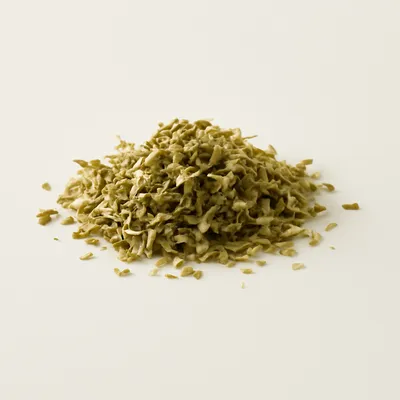
Combine sour orange juice, garlic, cumin, oregano, bay leaf, salt, and olive oil to create a marinade.
- 2480 min
Submerge the pork in the marinade and refrigerate overnight.
Watch outPush the marinade down into the diamond-slashed fat, not just over the top — it has to reach the meat under the skin overnight, or only the surface tastes of it.
- 35 min
Preheat the oven to a low temperature.
- 425 min
Roast the pork slowly for several hours until the meat is tender and the exterior is crispy.
Watch outWatch the skin, not the clock: it's ready when it blisters and crackles hard, but it only gets there if the surface went into the oven bone-dry.
- 55 min
Baste occasionally with the marinade to enhance flavor and moisture.
Archive tool suggestions — not reviewed
These legacy suggestions have not been evidence-reviewed and are not presented as required tools.