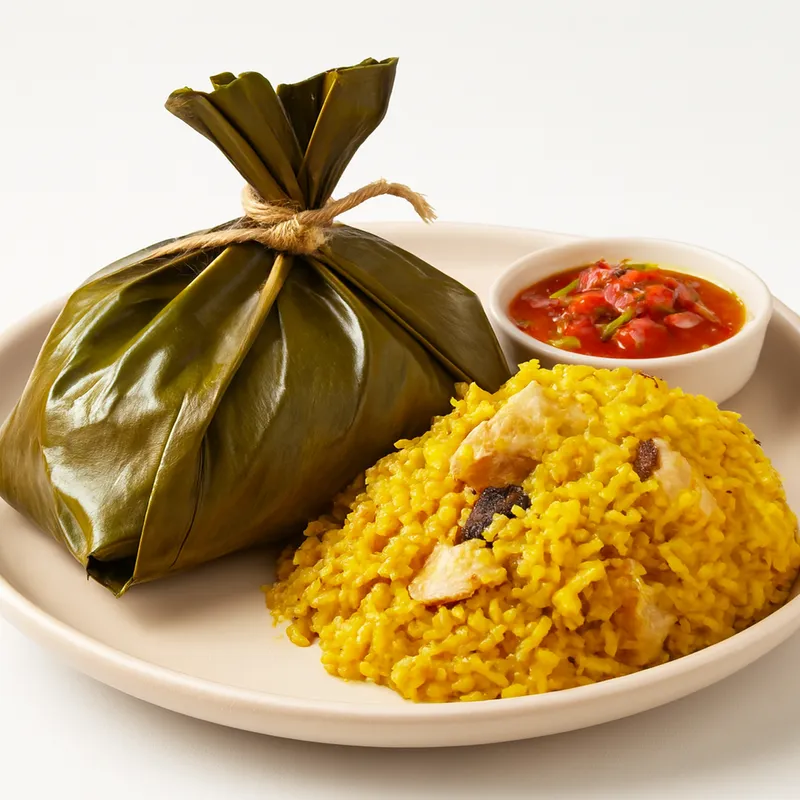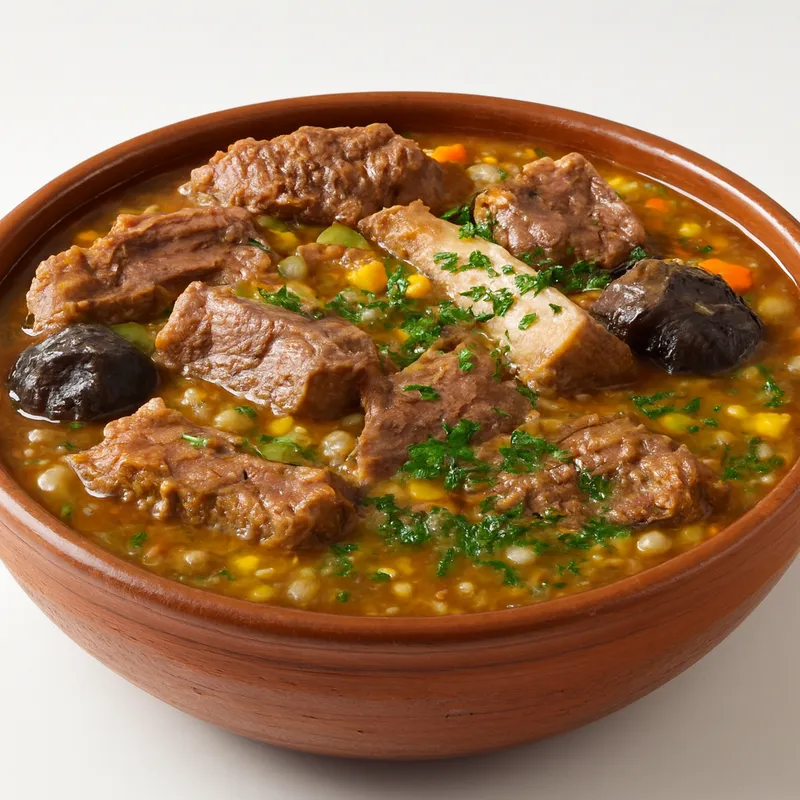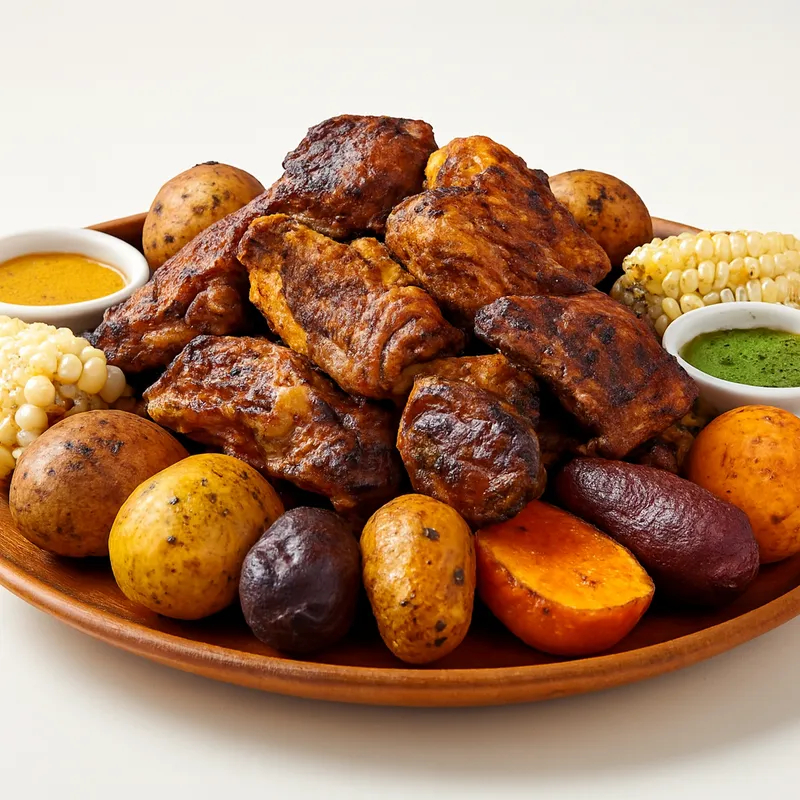
Marinated meats and tubers earth-baked to smoky tenderness, an Andean tradition.




Inca-era Andean ceremonial cooking, dating back at least 500 years and likely much earlier — the name is Quechua: pacha (earth) + manca (pot). The dish is tied to the agricultural calendar, traditionally cooked at planting and harvest as an offering to Pachamama (mother earth). Still cooked communally in highland villages of Junín, Ayacucho, Huancavelica, and Pasco for festivals and weddings.
Inca-era Quechua earth-pit cookery — pacha (earth) plus manca (pot) — still cooked at planting and harvest in Junín, Ayacucho, and Pasco as an offering to Pachamama. The stones do the work, not the soil: heated red-hot in wood fire, then layered with meat and herbs and sealed.
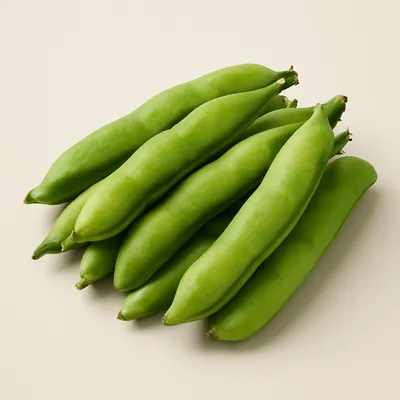
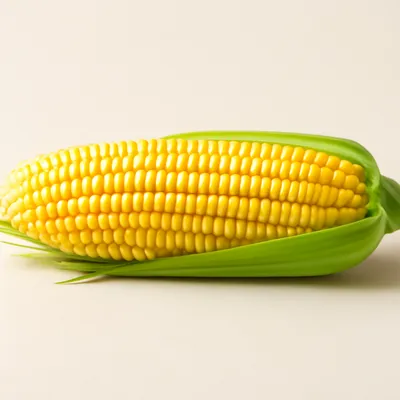
Marinated lamb, pork, chicken, and guinea pig (cuy) layered with potatoes, sweet potatoes, fava beans, humitas (corn cakes), and ears of choclo, all buried with hot stones in an earth pit and steamed for two to three hours. Dug up at the table. The meat is smoke-stained and falling off the bone; the potatoes taste of stone-heat and the herb wrap (chincho, huacatay, mint).
The stones, not the soil, do the cooking — they're heated in a wood fire for hours until red-hot, then layered with the food and sealed under earth. Stone heat is dry and steady; soil insulates. The herb wrap (especially chincho, an Andean marigold relative) releases volatile oils into the steam that perfume the meat from within. A poorly built pit lets steam escape and the meat dries out — the seal is the whole job.
Variations
Junín style (the standard, lamb-pork-cuy); Huancavelica adds tarwi beans; Ayacucho leans heavier on chincho herb; Apurímac uses native cuy almost exclusively; modern Lima restaurants (Mayta) build oven-mimicked versions on river stones in cast iron.
On the Palate
Where Pachamanca sits in the Peruvian flavor cloud
Ingredients










How it's made
6 steps · 8 hours
- 1339 min
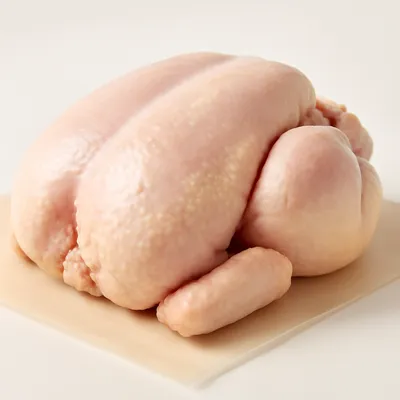
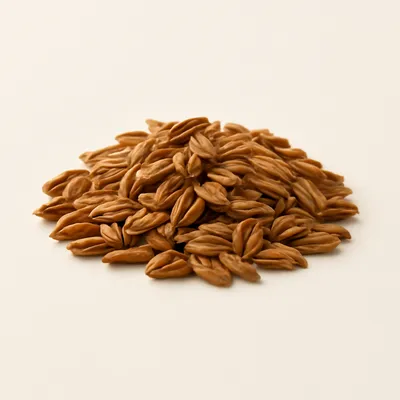
Marinate lamb, pork, and chicken with ají panca, huacatay, chincho, garlic, cumin, and salt.
- 228 min
Heat stones in a pit until they are scorching hot.
Watch outHeat the stones until they glow and spit — anything less and the pit runs cool halfway through and the meat steams grey instead of cooking.
- 328 min
Layer banana leaves over the hot stones.
- 428 min
Place marinated meats, native potatoes, sweet potatoes, fava beans, and corn on the cob over the leaves.
Watch outLay the densest food (meat, big potatoes) against the hottest stones and the quick-cooking stuff up top — the heat only travels one way here.
- 528 min
Cover with more banana leaves and earth to retain heat.
Watch outPack the earth so no steam whispers out anywhere — a single leak and the whole pit dries; sealing is the entire job.
- 628 min
Cook for several hours until everything is tender and infused with smoky flavors.
Archive tool suggestions — not reviewed
These legacy suggestions have not been evidence-reviewed and are not presented as required tools.