Triangular masa tamales wrapped in long fresh corn leaves (not husks), steamed and served with crema, queso fresco, and red salsa.


Corundas are the everyday tamal of the P'urhépecha people of Michoacán's western highlands, with a documented pre-Hispanic lineage — the Relación de Michoacán, a 1540s P'urhépecha-Spanish chronicle, describes corn cakes wrapped in cane leaves served at court ceremonies. The triangular fold is unique to this region: tamales elsewhere in Mexico use rectangular husks. The leaf used (the long blade leaf of the corn plant, not the cob husk) gives corundas their grassy aromatic edge that flat-husk tamales don't have.
Pre-Hispanic P'urhépecha tamal — described in the 1540s Relación de Michoacán. Triangular fold is unique to the region; wrapped in long blade leaves of the corn plant (not cob husk), which release 3-hexenal — the grassy compound dried husks don't carry. Whip-lard step traps air for the spongy crumb.
The triangle hits the plate steaming, you pull off the leaf in a single coil, and a soft pillow of masa drops onto the cream. Each bite is corn-cake interior — light, springy, faintly nixtamal-tangy — with crema cooling, queso salting, and salsa roja warming. The leaves leave faint grass-green seams on the surface. Eaten as a Sunday morning plate around Pátzcuaro and Uruapan; in P'urhépecha homes, often served alongside atole de grano.
The whip-lard step is the load-bearing detail. Pork lard, beaten alone for 8-10 minutes, traps air bubbles in the same way butter creams in a cake; when the masa is folded in, those bubbles distribute through the dough. Steaming sets the masa around the bubbles, leaving a light, almost spongy crumb. Skip the whip and the corundas come out dense like a tortilla folded thick. The fresh corn leaves matter for aroma — they release a chlorophyll-grassy compound (3-hexenal) into the masa during steaming that dried husks don't carry.
Variations
Pátzcuaro and Uruapan run the canonical triangle; some northern-Michoacán villages stuff with rajas-and-cheese; the sweet pink version (corunda dulce) uses sugar and food coloring; Quitupan-area cooks make a smaller five-fold version.
On the Palate
Where Corundas sits in the Mexican flavor cloud
Ingredients
Serves 8
How it's made
6 steps · 50 min active + 1 hour 20 min waiting
- 110 min
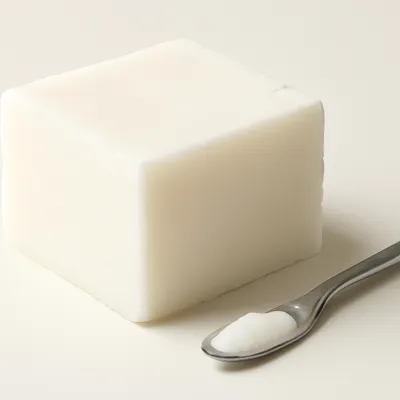
Beat 250g pork lard in a stand mixer 8-10 minutes on medium-high until it's white, glossy, and a small spoonful floats in a glass of water. This «test del agua» is the P'urhépecha cook's tell — fluffy lard makes airy corundas.
Watch outSkip this step and the corundas come out dense and waxy — the air beaten in is the leavening.
- 225 min
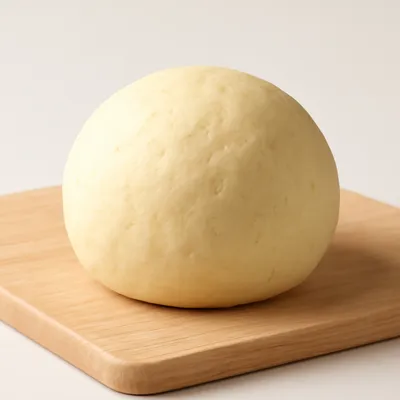
Add 800g fresh masa (or 700g masa harina rehydrated with 900ml warm water, rested 20 min). Mix in 2 tsp salt and 1 tsp baking powder. Beat 6-8 minutes more until the masa is light and a small ball floats in water.
- 38 min
Take 12-15 long fresh green corn leaves (the long pointed cane-like leaves from the corn plant, not the husks around the cob). Wash and pat dry. Each leaf is about 40cm long and 4cm wide.
- 425 min
Lay one leaf flat. Place a heaping tbsp of masa near the wide base. Fold the leaf over the masa diagonally to form a triangle, then keep folding the leaf around the triangle — each fold catching the next side — until you've used the whole leaf and have a wrapped tetrahedron. Tuck the tail end. The classic shape has 7 visible faces.
Watch outLoose folds let masa leak out and the triangle collapses. The leaf must be tight on all faces.
- 560 min
Stand corundas point-up in a tamale steamer over 5cm of simmering water. Lay extra leaves on top to trap steam. Cover and steam 60 minutes. Check by unwrapping one: leaf peels clean, masa is firm and slightly springy.
Watch outTriangles standing on a side fall over and unwrap — point-up is the rule.
- 65 min
Serve hot. Unwrap onto a plate, top with 2 tbsp Mexican crema, a generous shower of crumbled queso fresco, and a spoon of salsa roja made from roasted tomato, chile de árbol, garlic, and salt. Garnish with thin red onion rings.
Archive tool suggestions — not reviewed
These legacy suggestions have not been evidence-reviewed and are not presented as required tools.