
The rice pudding of Hamsiköy, a mountain village on the Maçka road above Trabzon, widely held up as the best sütlaç in Turkey. It is the same family as ordinary baked rice pudding but tied to one place: rich milk from the highland pastures, simmered with rice and sugar to a thick cream, ladled into dishes and given the characteristic browned skin. Travellers on the old Trabzon-to-Gümüşhane mountain route stop in the village specifically to eat it.





Hamsiköy lies in the Maçka district of Trabzon province, high on the road over the Zigana mountains, and the village's name has become a brand for sütlaç along the eastern Black Sea — its dessert houses are a fixed stop for travellers on the route. The local claim is that the quality comes from the place itself: the milk of cows grazing the cool, wet highland pastures above the village, which is richer than lowland milk. Beyond the regional milk, the village version is the same canonical broiled Turkish rice pudding rather than a structurally different dish; its fame rests on reputation, the highland dairy, and the stop-and-eat culture of the mountain road rather than on a documented court or ancient origin. It is distinct from generic sütlaç only as a place-named, milk-defined village rendering.
Thicker and more concentrated than everyday sütlaç, with a pronounced fresh-milk depth from the highland dairy. The spoon breaks through a brown, faintly bitter-caramelized skin into a dense, creamy interior, the rice grains soft and distinct, the sweetness clean and not cloying. Served chilled in its own dish, often with no topping at all so the milk flavor leads. The contrast of cool, rich pudding against the lightly burnt top is the whole pleasure.
The richer highland milk is the starting advantage — more fat and solids give a denser set and fuller flavor with less help from thickeners. As with all baked sütlaç, the rice is first softened in water so it does not rob the milk of its liquid, then simmered slowly in the milk and sugar until thick, with a little starch to guarantee it sets rather than runs; constant stirring keeps it from catching on the base. The puddings are then broiled hard so the surface sugars and milk proteins brown via Maillard reaction at high heat, building the bitter-sweet skin. A long chill firms the pudding as the rice keeps drinking in milk. The skill lies in cooking the milk down far enough for body without scorching it.
Variations
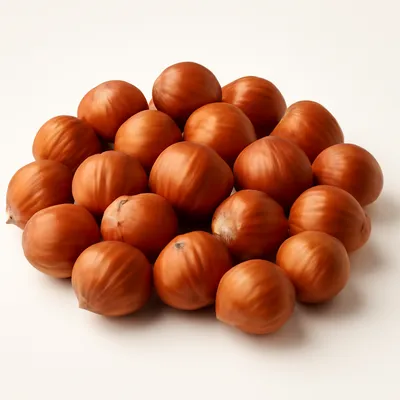
Within the village and the wider Black Sea, the differences are largely of richness and topping: the purest local style is plain, milk-forward, and unadorned to let the highland dairy speak; elsewhere it is dusted with cinnamon or scattered with crushed hazelnuts (the Black Sea's own nut) or walnuts. It belongs to the broader baked-sütlaç family alongside the Anatolian mastic version and the Marmara orange-blossom one, but is set apart by place and by the quality of the milk rather than by a different method.
On the Palate
Where Hamsiköy Sütlacı sits in the Turkish flavor cloud
Ingredients
Serves 6How it's made
7 steps · 20 min
- 115 min
Rinse the short-grain rice, then simmer in water until soft and the water is nearly absorbed.
Watch outSimmer the rice in water first until soft and nearly dry — if it goes into the milk still hard it robs the milk of liquid and the pudding won't set creamy.
- 210 min
Add the milk and bring to a gentle simmer, stirring often so the rice does not catch.
- 312 min
Stir in the sugar and simmer until the pudding thickens and turns creamy.
- 45 min
Slacken the cornstarch in a little cold milk, stir it in, and cook a few minutes more until visibly thickened.
Watch outCook a few minutes more after the slackened cornstarch goes in, until it visibly thickens — this is the insurance that it sets rather than runs.
- 54 min
Ladle into individual oven-proof dishes and smooth the tops.
- 68 min
Broil under high heat until the surfaces brown and form a skin, watching closely.
Watch outBroil the tops just until they brown and skin over, watching every second — the sugar-milk skin goes from golden to scorched in a blink.
- 7240 min
Cool, then chill at least 4 hours; serve cold, plain or with crushed hazelnuts.
Archive tool suggestions — not reviewed
These legacy suggestions have not been evidence-reviewed and are not presented as required tools.


