
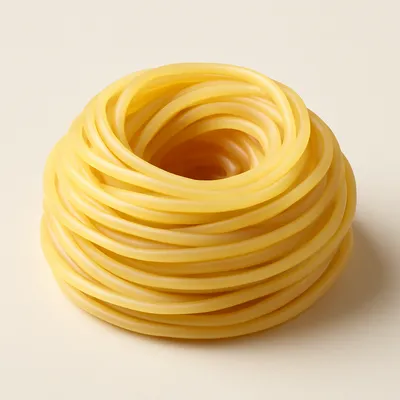

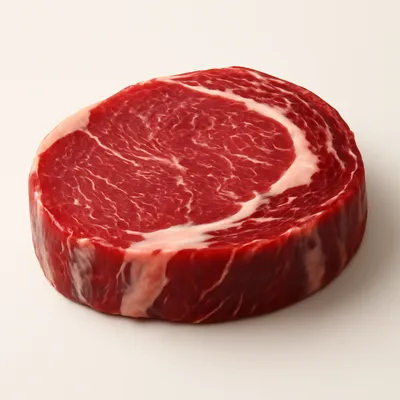


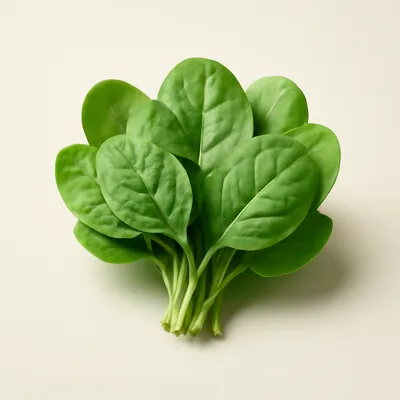
From the Langhe and Monferrato in southern Piedmont, traceable to peasant Sunday cooking of the 19th century — leftover Sunday roast got ground and pinched into pasta on Monday. The dish entered formal Piedmontese cuisine through the kitchens of the Savoy court. The name 'plin' refers specifically to the pinching motion, not the pasta shape; this distinguishes it from the larger square agnolotti of the Asti area.
Southern Piedmont's Sunday-leftover pasta, born from grinding Monday's roast into a tiny pinch ('plin' is Piedmontese for pinch). The dough runs one yolk per 100g flour, no whites — paper-thin enough that the filling shows through.
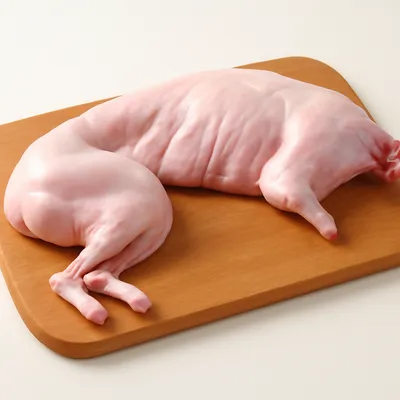
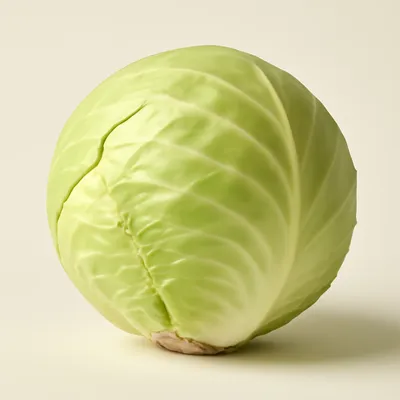
Thumbnail-sized stuffed pasta, each one pinched closed by hand — 'plin' means 'pinch' in Piedmontese dialect. Filling is roasted veal, pork, rabbit, and savoy cabbage, ground fine. Traditionally served three ways: in butter and sage, in roast-meat juices (al sugo d'arrosto), or on a napkin with no sauce at all (al tovagliolo) so you taste only the filling and the dough.
The dough is egg-rich (often 1 yolk per 100g flour, no whites) and rolled paper-thin so the filling shows through. Filling is bound by reducing the meat juices, not by breadcrumb — that keeps the texture meaty rather than starchy. The pinch must be tight enough to seal but loose enough to leave a wave on the edge; properly made, each piece looks like a tiny pillow with a ruffled spine.
Variations
Three Langhe service modes: butter-and-sage, al sugo d'arrosto (in roast pan-juices), and al tovagliolo (on a napkin, no sauce); Asti area runs a larger square agnolotto with cabbage; Monferrato cooks add nutmeg-heavy veal-and-pork variants.
On the Palate
Where Agnolotti del Plin sits in the Italian flavor cloud
Ingredients




How it's made
4 steps · 3 hours
- 150 min
Prepare pasta dough with flour and eggs, then roll out thinly.
- 230 min
Combine cooked beef, pork, veal, spinach, and Parmigiano-Reggiano for the filling.
Watch outBind the filling by reducing the meat juices until it just holds together, no breadcrumb — you want it meaty, not pasty, so cook the liquid down rather than soaking it up.
- 350 min
Place small mounds of filling on the pasta sheet, fold over, and pinch edges to seal.
Watch outPinch each parcel tight enough to seal but leave a little wave on the spine — properly done each looks like a tiny ruffled pillow; too tight and it's just a lump.
- 450 min
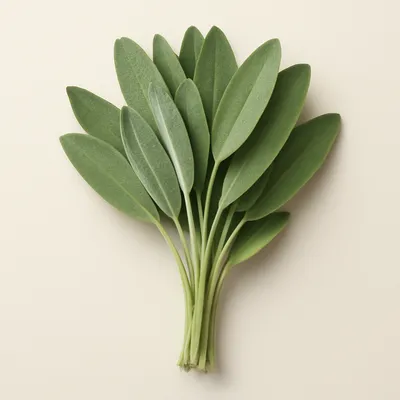
Cook agnolotti in boiling salted water, then toss with melted butter and sage.
Watch outPull them from the water the moment they float and the edges look translucent — the paper-thin dough overcooks in seconds and tears.
Archive tool suggestions — not reviewed
These legacy suggestions have not been evidence-reviewed and are not presented as required tools.


