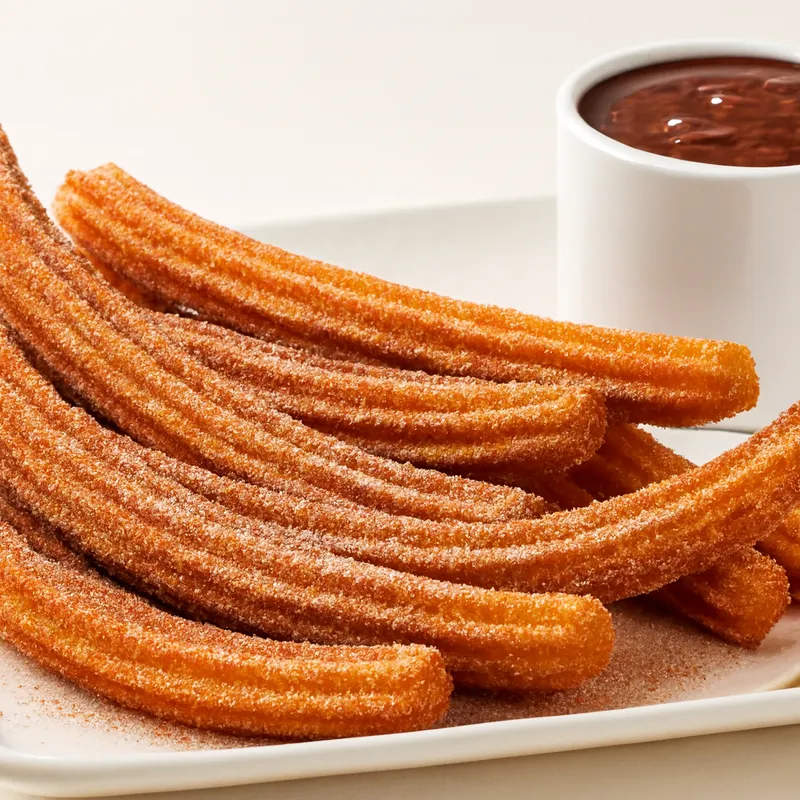
Filloas are the Carnival breakfast of rural Galicia — Entroido is when the pig was killed and every part used, including blood for filloas de sangue (the original sanguine version that predates the milk version). The unto-greased plancha was a hearth tool; pancakes cooked on the same fire that boiled the matanza pork. The dish parallels other European blood-pancakes (Finnish veriohukainen, Swedish blodplättar) but the wheat-version with cream is now the festival default.
Galician Carnival pancake, originally made with pig blood (filloa de sangue) at the same hearth fire that boiled the matanza pork. The unto-greased plancha is the trick — the pork-fat smoke point sits just above pancake temperature, so the edge laces without burning.
A pale-gold cigar the length of your palm, edges lace-crisp where the unto caught the heat, body soft and faintly porky. Bite through and the chestnut purée or jam cools the warm batter; cinnamon-sugar lands on the lip. Filloa de sangue is the older version — pig's blood gives it dark mahogany colour and a faint iron-mineral note that older Galicians prefer. Fresh-made they fold; day-old they tear.
Filloas are wetter than crêpes — the higher water-to-flour ratio is what gives them the characteristic lace edge: water flashes to steam at the pan rim, creating the holes you see in a finished filloa. Resting the batter is non-negotiable; without it the gluten resists when you tilt-spread, and the pancake tears. Unto's smoke point (~200°C) sits perfectly above pancake-cooking temperature, so it browns the edge without burning.
Variations
Filloa de sangue is the older blood version (older Galicians still prefer it); filloa de leite is the milk-and-egg standard; rural Lugo cooks fold them around chestnut purée, while Coruña bakeries fill with crema pastelera.
On the Palate
Where Filloas sits in the Spanish flavor cloud
Ingredients
Serves 4






How it's made
5 steps · 30 min active + 1 hour waiting
- 15 min
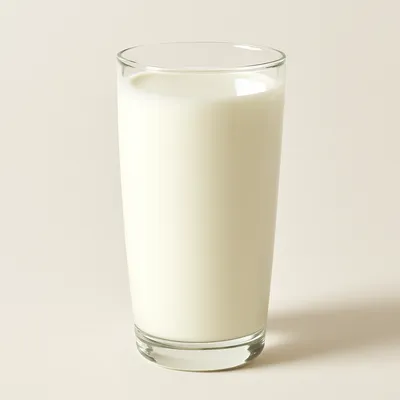
Whisk 250g wheat flour, pinch salt, 3 eggs, 500ml whole milk and 250ml water in a large bowl until smooth and runny — thinner than crêpe batter, almost like single cream. Rest 1 hour at room temperature.
Watch outToo-thick batter gives a flabby filloa — it should pour off a spoon in a continuous thin ribbon.
- 260 min
Rest the batter 1 hour at room temperature. Hydration time is what makes filloas pliable rather than tearing.
- 33 min
Heat a flat 24cm pancake plancha or non-stick skillet to medium-high. Galician tradition: rub the surface with a chunk of bacon fat (unto) skewered on a fork — gives the filloa its characteristic edge crisp and faint pork perfume.
Watch outPlain butter or oil works fine but unto is the authentic taste.
- 41 min
Pour 60ml batter into the centre, tilt to coat in a 22cm circle. Cook 40 seconds until edges lift and the underside is golden-lacy. Flip with a spatula, cook 15 seconds more. Slide onto a stack and cover with a tea towel to keep supple.
Watch outStack and cover — uncovered they dry instantly and won't roll without cracking.
- 58 min
Repeat for 12-16 filloas. To serve, spread each with whipped cream, apricot jam, chestnut purée or membrillo, roll into a tight cigar and dust with cinnamon-sugar. Eat warm, or cold with coffee the next morning.
Archive tool suggestions — not reviewed
These legacy suggestions have not been evidence-reviewed and are not presented as required tools.
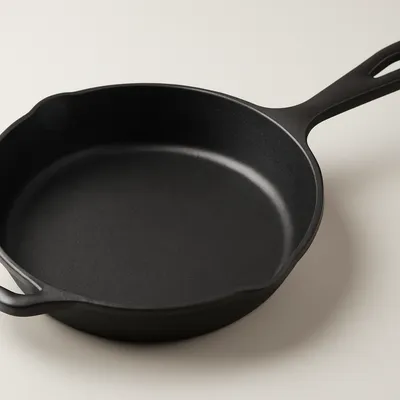
A heavy, single-piece cast iron pan, 25-30 cm across, weighing 1.5-2.5 kg. Once preheated, the thick mass holds 230°C+ even when a cold steak hits the surface — that's the secret to a deep crust. A well-seasoned skillet (multiple thin layers of polymerized oil baked into the iron) is essentially nonstick, gets better with use, and lasts a century. Lodge skillets from Tennessee have been in continuous production since 1896.

A heavy flat griddle, often 40-60 cm across, made from cast iron or chrome-plated steel, used in Spanish (and southern French) cooking for fast searing of seafood, meats, and vegetables. The dense metal holds 250-280°C steady; food is laid directly on the surface (no oil) and gets a deep crust without overcooking. Restaurant planchas are gas-or-electric flat-tops; the home version sits across two stovetop burners.