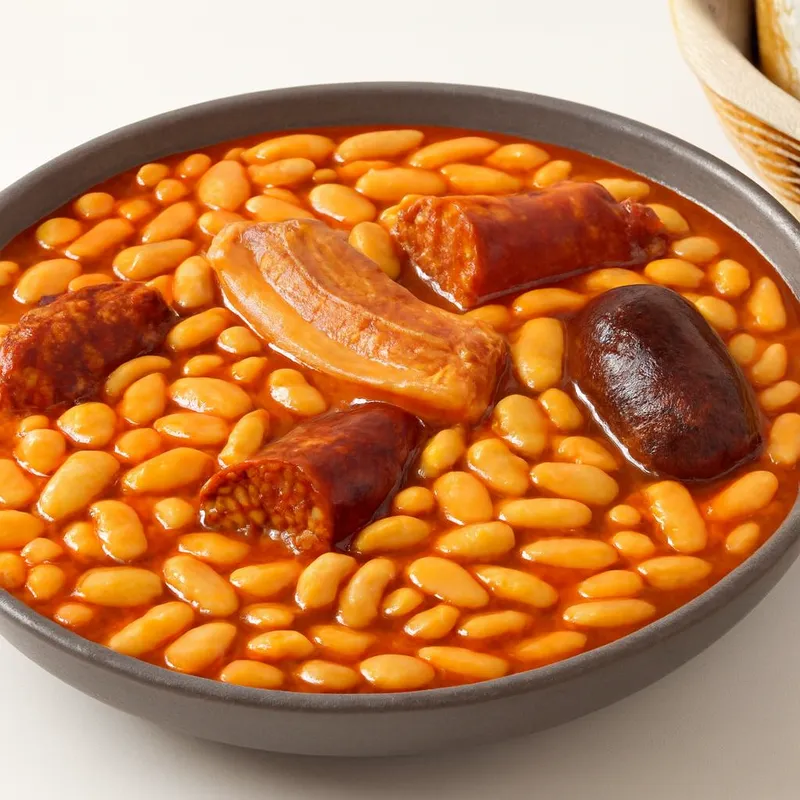

Pringá emerged as a frugal sequel to the Sunday cocido or puchero in 19th-century Sevilla — what the family ate on Monday or Tuesday from leftovers. The shop-counter sandwich form, called montadito de pringá, became standardised in 20th-century Sevilla bars, where the pre-made pringá sits in a tray and gets pressed to order on a plancha. It is now standard tapas-bar fare across Sevilla, Cádiz, and Huelva. A separate Sunday meal stands behind every Monday pringá.
Sevilla's Monday-or-Tuesday sequel to the Sunday cocido, standardised as a montadito de pringá in 20th-century bar counters. The structural rule: coarse, not pâté-smooth — pressing the sandwich on a plancha forces rendered fat into commercial pan de molde, which actually outperforms artisan bread because tight crumb absorbs more.
A flat-pressed sandwich, the bread shellacked with rendered fat, crisp on the outside and gummy inside where it absorbed the meats. The filling is rough, not smooth — you taste chorizo's pimentón, morcilla's clove, pork belly's salt, and shredded beef in alternating bites. Eaten standing at a Sevilla bar counter at 11am with a fino, it's the most economical lunch in Andalucía. A bad pringá is dry-cored — the warming step was skipped — or smooth, meaning someone reached for the food processor.
The structural rule: pringá must be coarse, not pâté-smooth, and warmed enough that the fat re-melts. Smooth purée flattens all four meat flavours into one note; properly mashed pringá lets each meat speak in its own bite. The pressing step is what separates a tapas-bar pringá from home leftovers — pressure forces the rendered fat into the bread crumb, glassing the crust as it toasts. Pan de molde (commercial soft sandwich loaf) actually outperforms artisan bread here because its tight crumb absorbs more fat without going soggy.
Variations
Bar Las Teresas (Sevilla) is the textbook montadito; Casa Ricardo runs it heavier on morcilla; Cádiz versions drop in pringá-style as a tapa, no bread; Huelvan kitchens shred the meat into a stew form (pringá guisada).
On the Palate
Where Pringá sits in the Spanish flavor cloud
Ingredients
Serves 4How it's made
5 steps · 12 min active + 3 min waiting
- 15 min
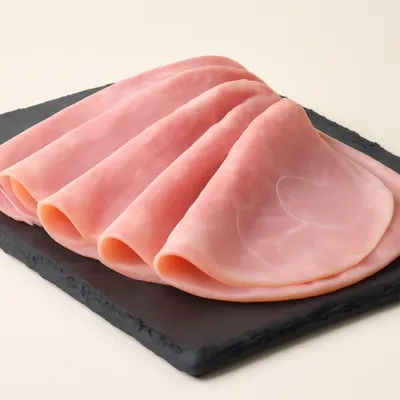
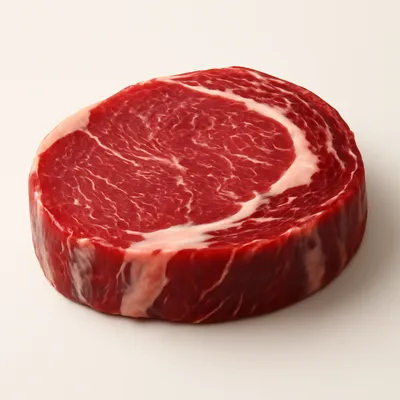
Gather the leftover meats from a Spanish cocido, puchero, or berza: about 400g total — typically 100g chorizo, 100g morcilla, 100g pork belly, 100g shredded ham/beef. Remove all bones and casings.
Watch outPull the morcilla casing carefully — the inside is soft and will break apart.
- 25 min
On a wooden board, chop everything coarse with a knife, then mash with a fork into a rough paste. Don't process — pringá should have visible texture, not be a pâté.
Watch outIf it looks like sausage spread, you went too far. Should look like rough crumbs bound by fat.
- 32 min
Warm the mash 2 minutes in a small pan with 1 tbsp of the cocido cooking liquid (or olive oil) — just enough to soften the fat into a spreadable mass.
- 44 min
Split a fresh pan de molde or telera roll, and pile the warm pringá inside (about 60g per sandwich, 4 sandwiches). Press flat on a plancha or hot panini iron 2 minutes per side until the bread is gold and crisp and the fat melts into the crust.
Watch outIf you don't have a plancha, weight the sandwich with another pan — the pressure is what makes it pringá.
- 51 min
Cut diagonally and serve immediately, with a glass of fino sherry or cold beer.
Archive tool suggestions — not reviewed
These legacy suggestions have not been evidence-reviewed and are not presented as required tools.