
Coca de recapte means coca with what's at hand — a peasant flatbread of inland Catalonia, especially Lleida and the Terres de l'Ebre, where the wood-fired bread oven was loaded with whatever needed using up. Documented from at least the 16th century in monastic records as a Lent-friendly dish (no meat). The escalivada-and-anchovy combination is the most common pairing but each comarca has its own — botifarra coca in some valleys, sardine coca on the coast. UNESCO recognized as Mediterranean Diet heritage.
Inland Catalan flatbread — Lleida and Terres de l'Ebre — documented in 16th-century monastic Lent records. Olive-oil-heavy dough shortens gluten so the base shatters; vegetables go on pre-charred because raw eggplant can't break down in 15 minutes of oven time.
A snap underfoot, then chew: thin oil-rich crust gives way to silky-smoke peppers, custard-textured eggplant, sweetness from caramelized onion. Anchovy strikes salt like punctuation. No tomato, no cheese — the whole flavor system is char + olive oil + sea salt from anchovy. Eat warm, with a glass of vermut. A good coca shatters like glass at the edge and bends in the centre; a bad one is uniformly bready and wet.
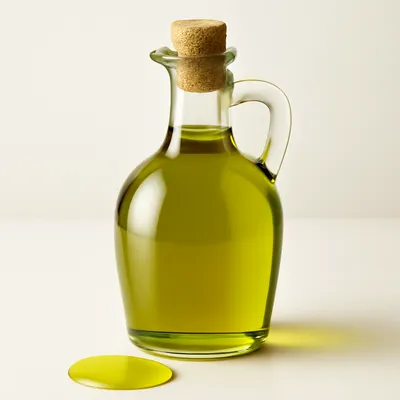
The dough is intentionally olive-oil-heavy: olive oil shortens gluten strands so the baked base shatters rather than chewing like pizza crust. The vegetables go on pre-cooked because raw eggplant and pepper can't break down in 15 minutes of oven time on a thin dough — they'd burn the dough before softening. Charring before topping is what gives the coca its smoky base flavor; no other ingredient in the dish provides it.
Variations
Lleida's classic uses escalivada with anchovy; Tortosa coast version uses sardines; Pallars and Pirineu valleys make a botifarra-topped winter version; Empordà's coca de recapte often skips eggplant for sweet pepper alone.
On the Palate
Where Coca de Recapte sits in the Spanish flavor cloud
Ingredients
Serves 4






How it's made
6 steps · 45 min active + 2 hours 15 min waiting
- 115 min
Make the dough: dissolve 5g fresh yeast in 150ml warm water with 1 tsp sugar. Mix into 250g strong bread flour with 50ml olive oil and 5g salt. Knead 8 min until smooth. Cover, rise 90 min until doubled.
Watch outCatalan coca dough is olive-oil-rich — it never proofs as airy as pizza, that's correct.
- 250 min
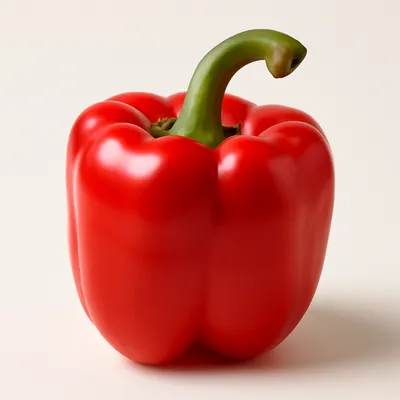
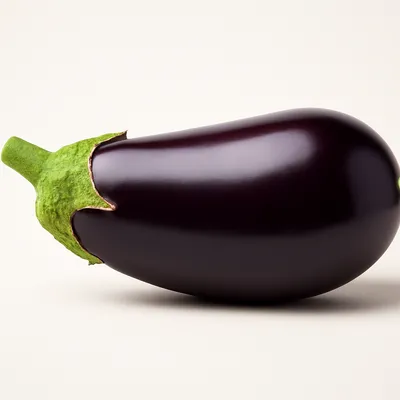
Escalivar the vegetables: roast 2 red peppers, 1 large eggplant, 1 onion (skin on, halved) at 220°C for 35-40 min, turning once. Skin should char and blister all over. Wrap hot in foil 15 min — steam loosens skin.
Watch outUnder-charred peppers leave tough tannic skin that won't peel — burn them harder than feels comfortable.
- 312 min
Peel everything once cool: pull pepper skins off in strips (don't rinse — water washes away smoke), strip eggplant skin, separate onion layers. Tear into 1cm strips. Dress with 3 tbsp olive oil, 1 minced garlic clove, salt — set 20 minutes for flavors to settle.
Watch outNEVER rinse peppers under water — you wash off the smoky char-residue that's the dish's flavor.
- 45 min
Roll dough into a long rectangle 30 x 18cm, 4mm thick, on an oiled baking sheet. Don't use a tin — cocas should have a free edge that crisps. Press a finger ridge around the perimeter.
Watch outThinner is better — 4mm rolls out to a crackling base; thick is bread, not coca.
- 54 min
Spread escalivada strips evenly across the dough, leaving a 1cm border. Lay 8-10 anchovy fillets in a fan pattern across. Drizzle with 2 tbsp olive oil. Optional: 2 tbsp pine nuts.
Watch outAnchovies salt the dish — never add table salt on top.
- 618 min
Bake at 230°C for 14-16 minutes until base is deep golden and edges are crisp. The vegetables should look slightly singed at the rim. Cool 5 min, drizzle with finishing olive oil, cut into rectangles.
Watch outPull when the underside (lift a corner) is fully bronzed — pale base means soggy slice.
Archive tool suggestions — not reviewed
These legacy suggestions have not been evidence-reviewed and are not presented as required tools.


