
Pisto is the Manchegan vegetable stew of Castilla-La Mancha, the dry interior plateau south of Madrid. It evolved as a high-summer dish to use up garden gluts of tomato and pepper after the New World crops became staples in Spanish kitchens (post-16th century). The fried egg on top is a working-class addition — protein at peasant prices. Alboronía — the Moorish-origin eggplant-squash-pepper fritada that is the direct ancestor of pisto — is strongly associated with the Manchegan cuisine of Cervantes's era, the world of Don Quixote (which is set in this region); the dish Cervantes actually names in the novel's opening is duelos y quebrantos.
La Mancha summer-glut stew that took shape after New World tomato and pepper hit Spanish kitchens post-16th century — Cervantes mentions an ancestor (alboronía) in Don Quixote. Vegetables go in staged: onion-pepper first, eggplant second, zucchini last. Under 60ml of olive oil and they steam instead of confit.
A glossy, jammy heap of vegetables — eggplant melted, peppers still holding shape, tomato reduced to a slick coat. The fried egg's runny yolk breaks across it like a sauce, lacing into the oil pool at the bottom. Sweetness from peppers, smoke from olive oil, faint acidity from tomato. The benchmark: if it's soupy, the cook didn't reduce enough; if the eggplant still has chew, it went in too late.
Pisto's load-bearing detail is staged cooking: each vegetable goes in at the moment that gives it the right final texture. Onion-pepper first, eggplant second (long enough to collapse), zucchini last (or it turns to mush). The tomato reduces uncovered — that's what separates pisto from ratatouille, which often stays wetter. Olive oil quantity matters: under 60ml and the vegetables steam instead of confit-soften.
Variations
Pisto manchego with fried egg in La Mancha; Murcian zarangollo drops the tomato and adds zucchini-egg scramble; Catalan samfaina is the wetter, longer-stewed cousin; Provençal ratatouille is pisto's wetter, herbier neighbour.
On the Palate
Where Pisto Manchego sits in the Spanish flavor cloud
Ingredients
Serves 4







How it's made
5 steps · 25 min active + 45 min waiting
- 115 min
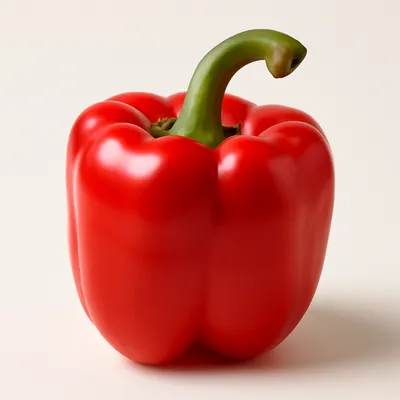
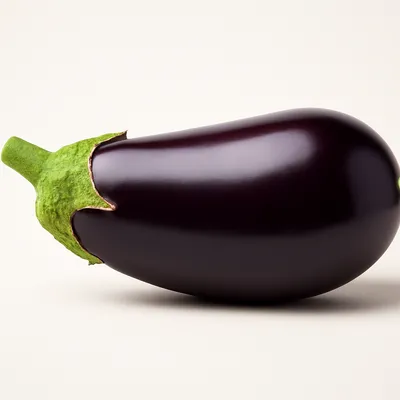
Dice 1 large onion, 1 green bell pepper, 1 red bell pepper, 1 medium zucchini, and 1 medium eggplant into 1cm cubes. Salt the eggplant and let it weep 15 minutes; pat dry.
Watch outSalting the eggplant draws out bitterness and prevents it soaking up half the olive oil later.
- 212 min
Heat 80ml extra-virgin olive oil in a wide heavy pan over medium. Sweat the onion and peppers 12 minutes until soft and translucent — they should not brown.
Watch outBrowning makes pisto bitter — keep heat moderate, stir often.
- 313 min
Add eggplant; cook 8 minutes until it collapses and turns silky. Add zucchini; cook 5 minutes more. The pan should be glossy with oil, the vegetables holding shape but yielding.
- 430 min
Stir in 500g peeled, grated ripe tomato (or quality canned crushed tomato), 1 tsp sugar, salt to taste. Simmer uncovered 30 minutes on low until liquid reduces and the mass is jammy, not soupy.
Watch outIf it stays watery, raise heat the last 5 minutes — pisto is a stew, not a sauce.
- 55 min
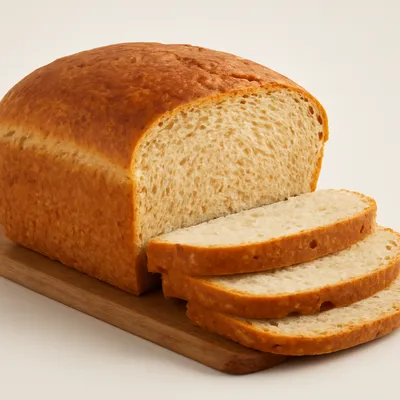
Fry 4 eggs in olive oil until whites set with crispy lace edges, yolks runny. Spoon hot pisto into shallow bowls; top each with a fried egg. Serve with rustic bread.
Archive tool suggestions — not reviewed
These legacy suggestions have not been evidence-reviewed and are not presented as required tools.


