A slow-fried vegetable medley of rural Aragón — peppers, onion, courgette, and ripe tomato cooked down in olive oil until soft and lightly caramelised. The vegetables are typically fried in stages rather than all at once, so each concentrates rather than stews into mush. It is eaten on its own as a side, spooned alongside roast lamb or grilled meat, or topped with fried eggs as a light main. Looser and chunkier than a smooth tomato pisto, it keeps the vegetables distinct.



Fritada is the Aragonese member of Spain's wide family of fried-vegetable dishes, a country preparation of the region's summer garden produce whose exact origin is unrecorded. It is often called the 'pisto maño' — maño being the colloquial word for Aragonese — and is the local counterpart to Castile's Pisto Manchego and Catalonia's samfaina. Cooks across Aragón vary it freely; some lean on potato, others on tomato, and many finish it with local pork or lamb.
Soft, glossy ribbons and chunks of vegetable slicked with olive oil, sweet from the cooked-down peppers and onion, with the tomato providing just enough acidity to cut the richness. The courgette goes silky and almost melting, the pepper keeps a little body. It is mellow and oil-rich rather than sharp; under a fried egg, the yolk runs into the vegetables and binds the plate. Eaten warm or at room temperature.
Cooking the vegetables in stages is the technique: peppers, onion, and courgette each hold different amounts of water and need different times, so frying them separately in olive oil lets each shed moisture and brown lightly rather than boiling in the others' juices. The tomato goes in last and is reduced down, its acidity and sugars concentrating as the water drives off. The point of difference from a pisto is restraint — the tomato is one element among equals and is not cooked down into a unifying pulp, so the fritada stays a medley of distinct vegetables rather than a sauce.
Variations
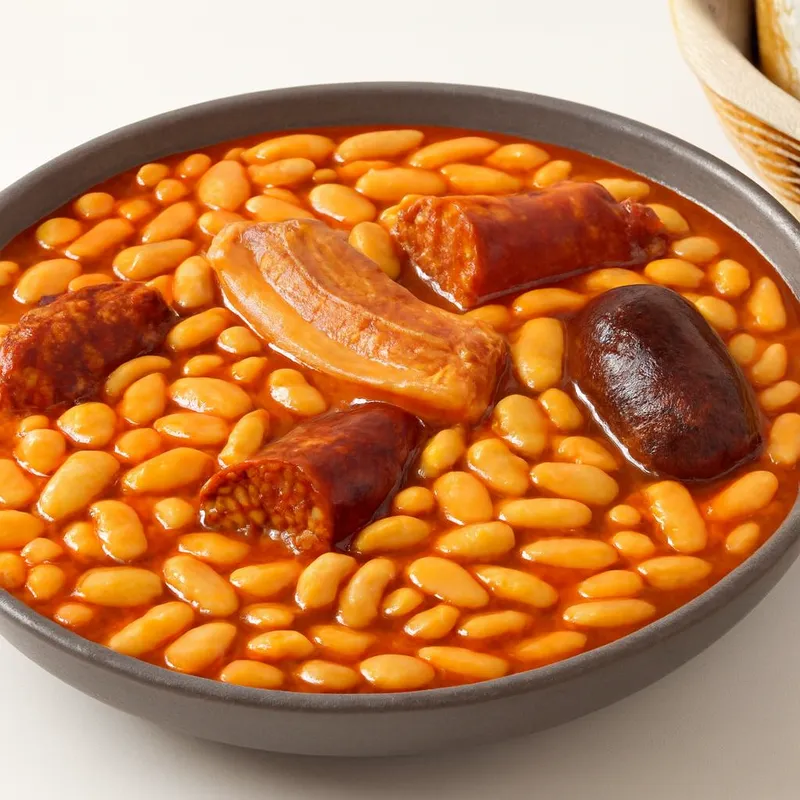
Recipes split between a potato-leaning fritada and a more tomato-forward one; some Aragonese versions add fried potato, others keep it to the three summer vegetables. It is routinely finished with pork jowl, serrano ham, or fried eggs, and zone-specific takes work in lamb, pork rib, longaniza, salt cod, or tuna to turn it into a main. It is the regional sibling of Pisto Manchego (smoother, tomato-bound) and the Catalan and Valencian samfaina; the Mallorcan tumbet is a layered, baked cousin.
On the Palate
Where Fritada Aragonesa sits in the Spanish flavor cloud
Ingredients
Serves 4
How it's made
5 steps · 20 min
- 110 min
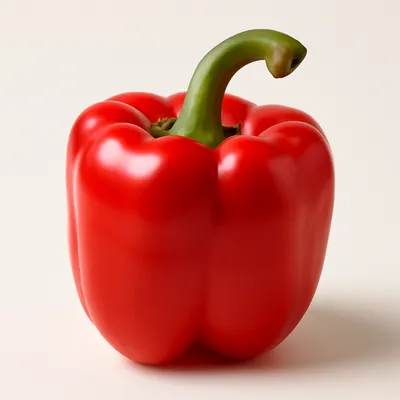
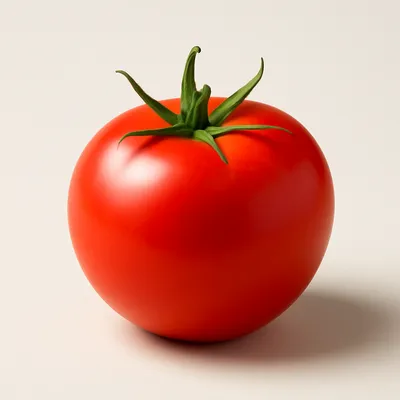
Deseed the peppers and cut them, the onion, and the courgette into rough squares; peel and chop the tomatoes.
- 210 min
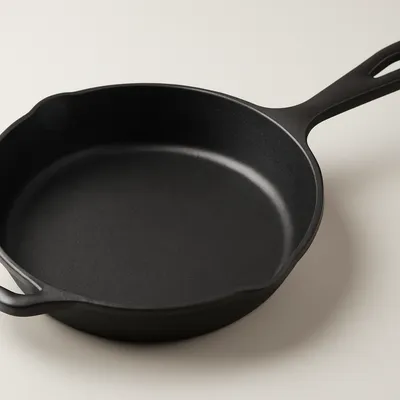
Heat olive oil in a wide pan and fry the peppers gently until softened, then lift them out.
Watch outFry each vegetable separately — peppers, onion, courgette hold different water and times, so cooked together they boil in each other's juices.
- 312 min
In the same oil, fry the onion slowly until soft and golden, then add the courgette and cook until tender.
- 412 min
Return the peppers, add the chopped tomato, season with salt, and cook down over low heat until the tomato has reduced and the mixture is glossy.
Watch outAdd the tomato last and reduce it down — but keep it as one element among equals, not cooked to a unifying pulp like a pisto.
- 53 min
Taste and adjust seasoning, then serve warm on its own, alongside meat, or topped with fried eggs.
Archive tool suggestions — not reviewed
These legacy suggestions have not been evidence-reviewed and are not presented as required tools.